The Alto Saxophone Repertoire with Piano: A Graded Guide
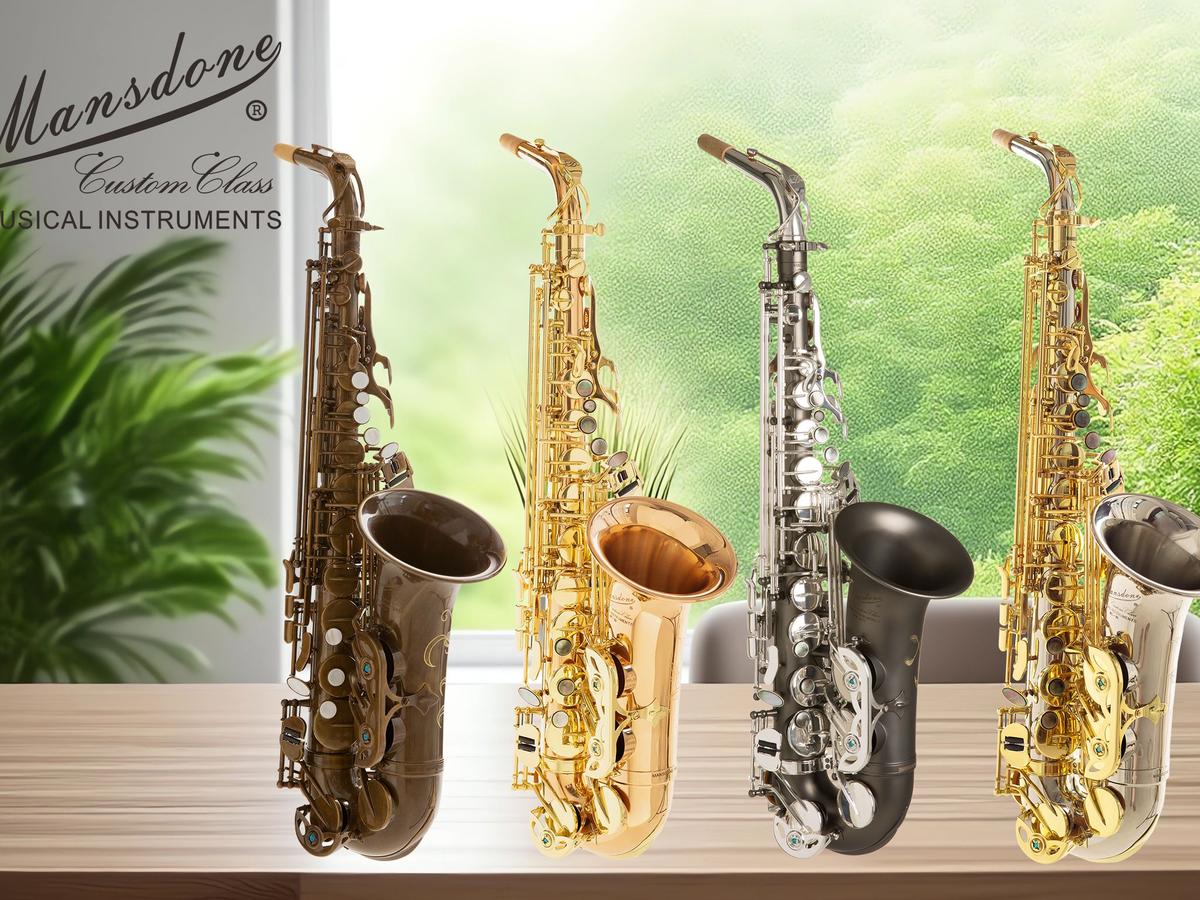
Of the entire saxophone family, the alto saxophone in E♭ enjoys the most extensive and celebrated solo repertoire. Its unique voice, sitting perfectly between the soprano's brightness and the tenor's warmth, has inspired composers for over a century. For saxophonists looking to explore this rich tradition with a piano accompanist, the journey can be structured from accessible beginnings to the pinnacle of technical and artistic mastery.
The Starting Point: Grades I-II (Easy)
For the developing musician, the goal is music that is both rewarding and pedagogically sound. The pieces in this category focus on beautiful melodies, clear forms, and foundational techniques.
- Jay Arnold: Sonatina - Often a saxophonist's first sonatina, this piece provides a perfect introduction to classical forms with manageable technical demands.
- Paule Maurice: Tableaux de la Forêt - This set of short, descriptive pieces is excellent for teaching musical imagery and expression beyond the notes on the page.
- Larry Clark: Aeolian Song - A beautiful, etude-like piece that shifts the focus to tone production, control, and lyrical, singing phrasing.
Building Proficiency: Grade III (Moderate)
At this level, saxophonists encounter cornerstone works of the repertoire. These pieces are challenging but immensely rewarding, forming the core of many undergraduate and recital programs.
- Paul Creston: Sonata, Op. 19 - A true cornerstone. Its driving, motoric rhythms and soaring lyrical melodies make it a perennial favorite that brilliantly showcases the saxophone's power and agility.
- Alexander Glazunov: Concerto - This lush, romantic concerto, often performed with a piano reduction of the orchestral parts, allows players to delve into a long, singing line and rich harmonic language.
- Jacques Ibert: Concertino da Camera - A sophisticated and brilliantly crafted work with a jazzy flair. Its technical demands and stylistic sophistication make it a standard for all serious alto saxophonists.
- Pierre Max Dubois: Concerto - A neoclassical gem, this concerto is known for its wit, energy, and brilliant showcase of the saxophone's agile character.
The Virtuoso Level: Grade IV (Difficult)
The most demanding works in the repertoire require not only advanced technique but also deep musical intellect and emotional commitment. These are pieces for the seasoned performer.
- Paul Hindemith: Sonata - A profound and structurally complex work from the 20th-century German tradition. It demands intellectual rigor and precise execution to navigate its intricate counterpoint and harmonic language.
- Edison Denisov: Sonata - A leading work of the Soviet avant-garde. This sonata is characterized by complex harmonies, intricate rhythms, and intense, often haunting, emotional expression.
- William Albright: Sonata - A monumental work that is a tour-de-force of American music. It seamlessly incorporates elements of jazz, ragtime, and advanced contemporary techniques, requiring immense versatility from the performer.
- John Harbison: San Antonio - Written by a Pulitzer Prize-winning composer, this piece is rhythmically complex and harmonically dense, offering a serious and modern challenge.
From the first lyrical phrases of a sonatina to the complex dialogues of a Hindemith or Albright sonata, the repertoire for alto saxophone and piano offers a lifetime of exploration. This graded journey provides a clear path for saxophonists to develop their skills while engaging with some of the most iconic and beautiful music ever written for the instrument.
This article is provided by Mansdone Brand Marketing Department!