The Saxophone: A Hybrid of Design and Emotion
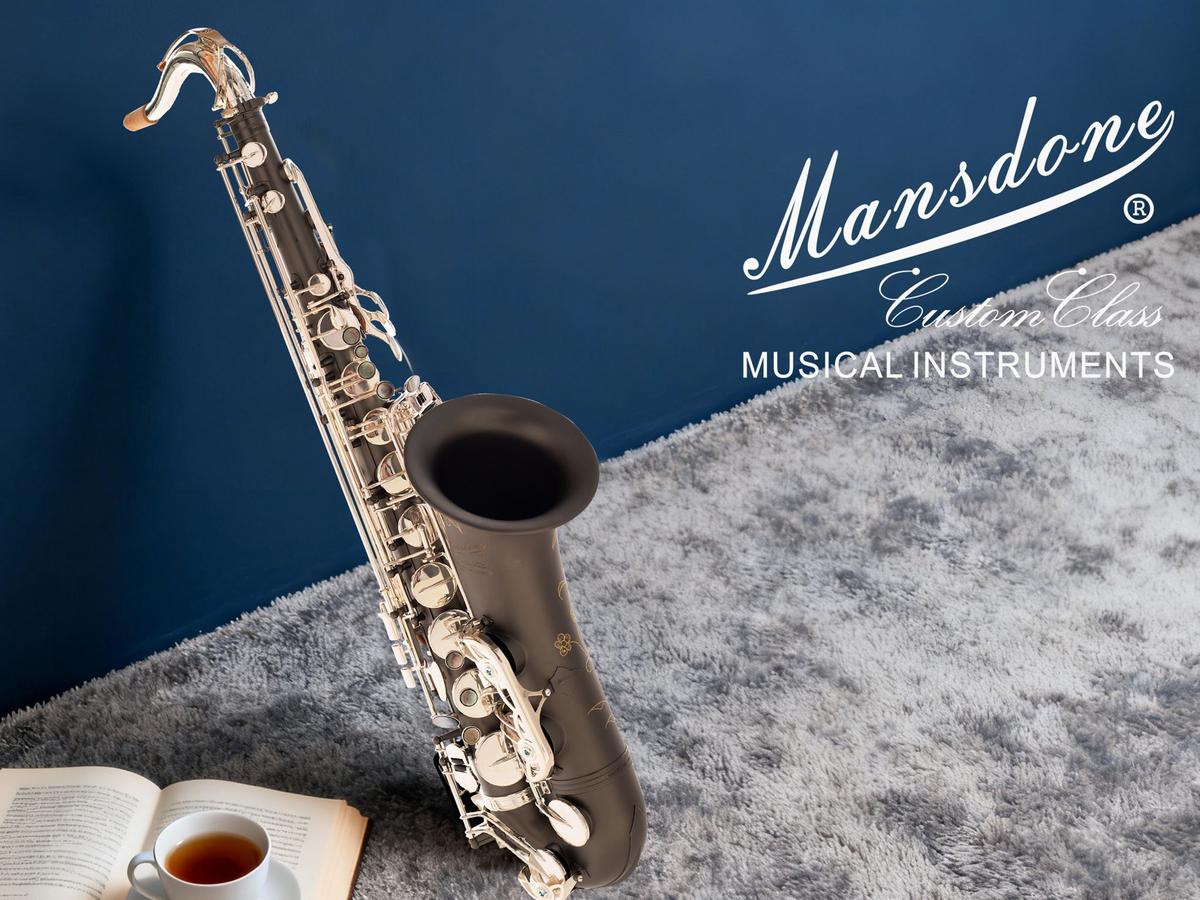 Of all the instruments in a modern band or orchestra, the saxophone holds a singularly fascinating position. Its very essence is one of hybridity and deliberate design, setting it apart from instruments that evolved over centuries. To ask what is unique about the saxophone is to delve into the mind of its inventor and the very soul of its sound.
The saxophone’s origin story is itself unique Unlike most instruments that developed organically, the saxophone was the brainchild of a single inventor, Belgian instrument maker Adolphe Sax, in the early 1840s. Sax had a clear goal: to bridge the sonic gap between the powerful, projecting brass section and the agile, but often softer, woodwinds. He sought to create an instrument with the volume and presence of a brass instrument but the expressive timbre of a woodwind. His invention, the saxophone, was a masterful solution.
From a construction standpoint, the saxophone is a remarkable hybrid It features a conical (oboe-like) bore, which contributes to its rich harmonics, combined with a single-reed mouthpiece borrowed from the clarinet. Yet, its fingering system is logically based on the Boehm system of the flute, making it relatively accessible for woodwind players to learn. Furthermore, it stands as the only mainstream woodwind instrument that is almost exclusively made of metal, giving it a distinctive physical and sonic identity.
The instrument's unique character is also embedded in its family The four "classic" saxophones—Soprano, Alto, Tenor, and Baritone—are transposing instruments designed to cover ranges analogous to the human voice, from soprano down to bass. This design choice was not accidental and hints at its most celebrated quality: its profound vocal-like expressiveness.
This is where technical uniqueness transforms into emotional resonance For many, the saxophone’s true magic lies in its unparalleled ability to mimic the nuances of the human voice. The relatively loose embouchure (mouth position) required to play it allows musicians to easily bend notes, employ a wide, expressive vibrato, and infuse each phrase with a deeply personal, intimate quality. While a master musician can evoke emotion on any instrument, the saxophone seems to connect on a more visceral, immediate level. It can wail with bluesy anguish, whisper with romantic tenderness, or soar with joyful abandon in a way that feels directly wired to the listener's emotions.
In summary, the saxophone is unique because it was engineered to be unique It is a brilliant fusion of woodwind and brass characteristics, born from a specific creative vision. Its metal body, hybrid construction, and vocal-centric design culminate in an instrument whose technical distinctiveness is matched only by its profound capacity for emotional expression, securing its iconic status in jazz, rock, and classical music alike.
This article is provided by Mansdone Brand Marketing Department!