From Tuba to Saxophone: A Guide for Low Brass Players
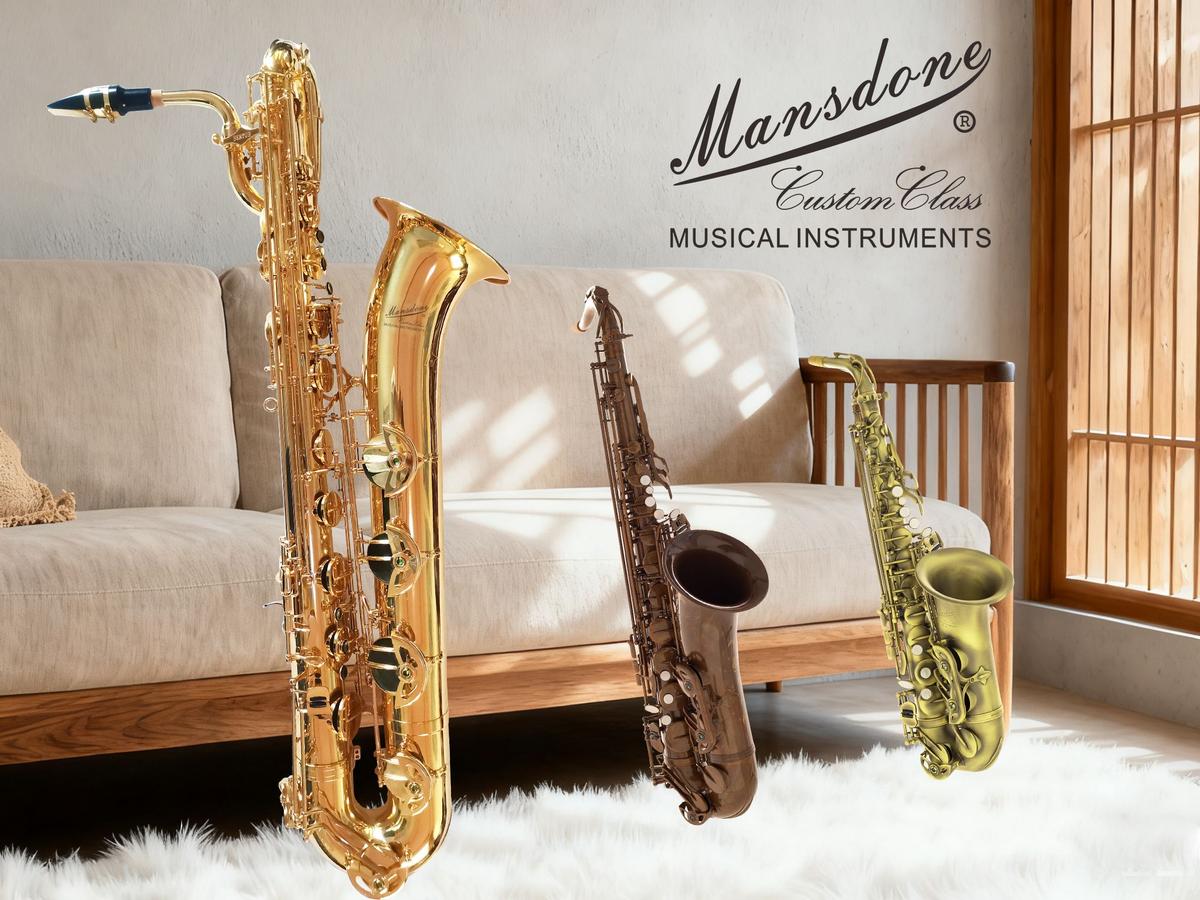 Based on the insights from fellow musicians, here's a guide to choosing your next saxophone as a tuba player, combining personal enthusiasm with practical advice.
If you're drawn to the familiar role of anchoring the ensemble with bass lines, the baritone saxophone is a compelling choice. It often fulfills a similar function in arrangements, allowing you to focus on foundational parts rather than solos or complex harmonies. A significant practical advantage is that you can directly translate your existing tuba music. Here’s a useful trick: read your bass clef tuba part, add three sharps to the key signature, and read it as if it were treble clef. This works because the bari sax is an Eb transposing instrument, and this method effectively transposes the part for you (with occasional octave adjustments). However, be prepared for its substantial air requirement—though as a tubist, you likely have a strong advantage here.
If your goal in switching is to explore melodies, solos, and harmony parts, then the bari sax is less ideal. In this case, consider the tenor or alto saxophone.
- The tenor sax (a Bb instrument) is often praised for its versatile, mid-range tone and frequently plays parts akin to the trombone, blending rhythmic support with occasional featured solos. Many players find its sound "just right" in the ensemble's texture.
- The alto sax (an Eb instrument) more commonly carries harmony and counter-melody roles in concert bands and is a frequent solo voice in both jazz and classical settings. Its voice sits higher in the ensemble's blend.
The soprano sax is generally not recommended for a first switch. It is notoriously challenging to play in tune and with a good tone, and it is used less frequently outside of saxophone quartets or specific jazz contexts.
A crucial point to remember is that you don't have to choose just one forever. All saxophones share nearly identical fingering systems and are designed so that written notes correspond to the same fingerings across the family. This means learning one saxophone gives you a substantial head start on the others. The primary differences lie in embouchure (mouth position) adjustment, air support (increasing with size), and reed response.
In summary:
- For continuing as a bass voice with a seamless music transition: choose the Baritone Sax.
- For exploring melodic and soloistic roles: choose the Alto or Tenor Sax, depending on whether you prefer a higher or lower voice within that range.
- Remember, mastering one saxophone opens the door to others, allowing you to experience different musical roles over time.
Ultimately, the best choice aligns with the musical role you wish to explore while leveraging your existing strengths as a low-brass player.
This article is provided by Mansdone Brand Marketing Department!