What Are Bands That Use Saxophone in Rock Music
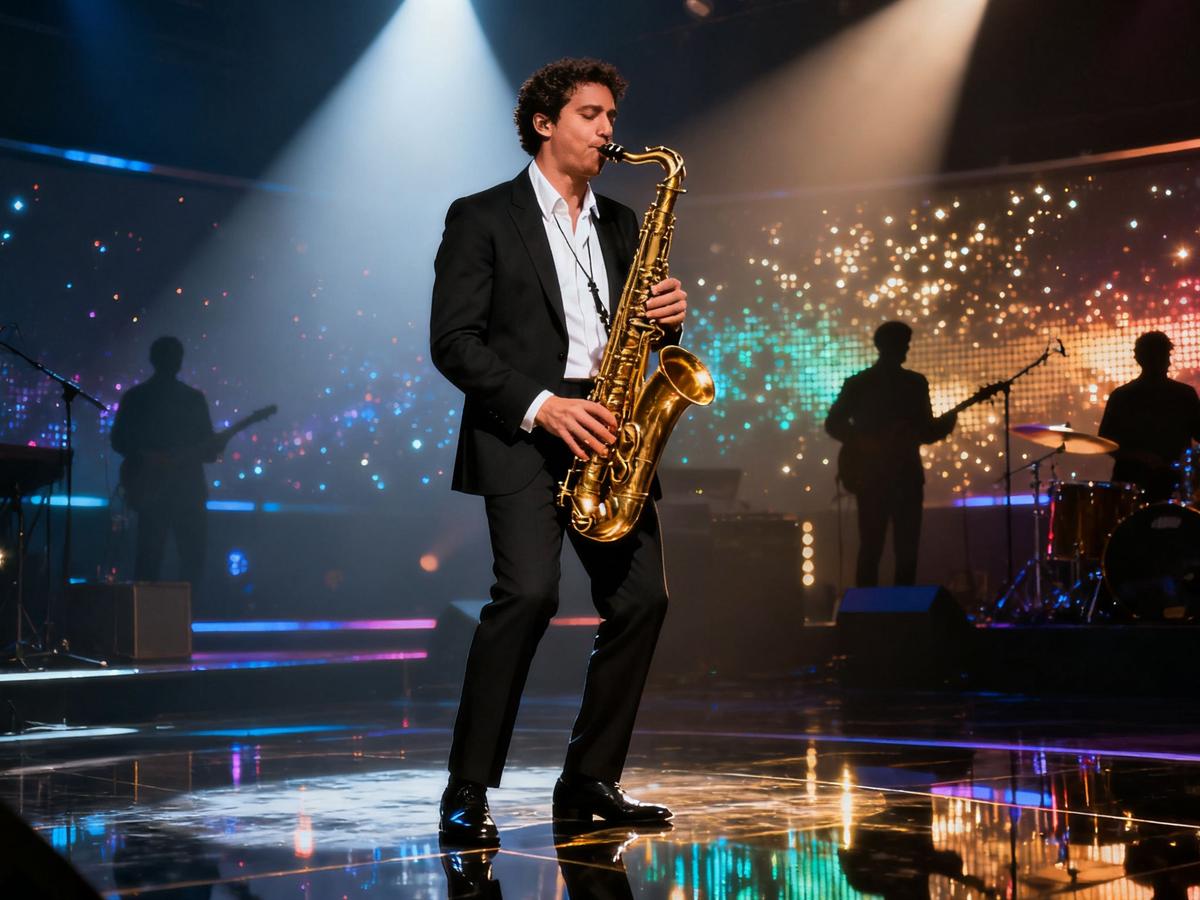 The saxophone, though often overshadowed by the guitar, has been a vibrant and essential voice in rock music since its inception. Its role has evolved across decades, from a driving lead instrument in rock 'n' roll's infancy to an experimental force in art-rock and punk. Here is a journey through the bands and artists who have prominently featured the saxophone in rock.
The 1950s: The Golden Age of Rock Saxophone In the 1950s, before the guitar's total dominance, the saxophone was a cornerstone of the rock 'n' roll sound. Pioneering saxophonists often stole the show:
- Little Richard's explosive hits like "Long Tall Sally" were powered by Lee Allen's blazing solos. Allen also had his own hit, "Walkin' with Mr. Lee."
- Boots Randolph defined a playful, honking style on Brenda Lee's "Rockin' Around the Christmas Tree" and his own iconic "Yakety Sax."
- Other giants included Noble "Thin Man" Watts, Sam Butera with Louis Prima, and King Curtis, whose work with The Coasters ("Yakety Yak") was legendary.
The 1960s: Transition and Soul As rock bands standardized around guitar/bass/drums, the saxophone found new niches:
- Surf rock king Dick Dale & the Del-Tones used it as a fiery counterpoint to the guitar.
- "Frat rock" bands like The Sonics and Sam the Sham & the Pharaohs kept the sax sound alive.
- The instrument became crucial in soul-influenced rock, epitomized by James Brown's JBs and The Rolling Stones' frequent collaborator, Bobby Keys.
The 1970s: Experimentation and Mainstream Power This decade saw the saxophone flourish in both progressive realms and arena rock.
- Progressive & Art Rock: Bands like Van der Graaf Generator (with David Jackson), Soft Machine (featuring Elton Dean), and Audience used sax for complex, jarring, and avant-garde textures. Roxy Music's Andy Mackay and Hawkwind's Nik Turner made it integral to their futuristic sounds.
- Jazz-Rock: Steely Dan and Frank Zappa (with Ian Underwood) featured sophisticated saxophone work.
- Punk & New Wave: The sax erupted in early punk with X-Ray Spex (featuring the teenage Lora Logic), in the Stooges' "Fun House" (Steve Mackay), and in the experimental post-punk of Pere Ubu.
- A-Rock Staples: Bruce Springsteen's E Street Band was defined by Clarence Clemons' powerful tenor, while Ian Dury & the Blockheads (Davey Payne) and ska-revivalists Madness used it for irresistible rhythms.
The 1980s & Beyond: Sampling, Alternative, and Legacy The saxophone adapted to new musical landscapes:
- 1980s Rock/Pop: Foreigner's "Urgent" featured a blistering solo by Junior Walker, and Hall & Oates relied on the "great Mr. Casual."
- Hip-Hop Sampling: Groups like Public Enemy famously sampled sax riffs, such as the opening glissando from The JBs' "The Grunt."
- 1990s Alternative: The band Morphine built its minimalist, hypnotic sound around Dana Colley's baritone saxophone.
Avant-Rock & Beyond The saxophone also has a rich history in more experimental corners of rock:
- Captain Beefheart & His Magic Band used it (often played by Beefheart himself) for chaotic, brilliant textures on albums like Trout Mask Replica.
- James Chance and the Contortions injected punk with a dose of frenetic, free-jazz sax.
Conclusion From the foundational wail of 1950s rock 'n' roll to the avant-garde explorations of the 1970s and its persistent voice in modern genres, the saxophone has proven to be one of rock's most versatile and emotionally potent instruments. As the examples show, its sound—whether delivering a catchy hook, a soulful solo, or a burst of atonal energy—is woven into the very fabric of rock history. The best decades for its traditional rock role were the 1950s, while the 1970s stand out for its most experimental and progressive use.
This article is provided by Mansdone Brand Marketing Department!