The Transition to Soprano Saxophone: Clarinet vs. Alto Saxophone Backgrounds
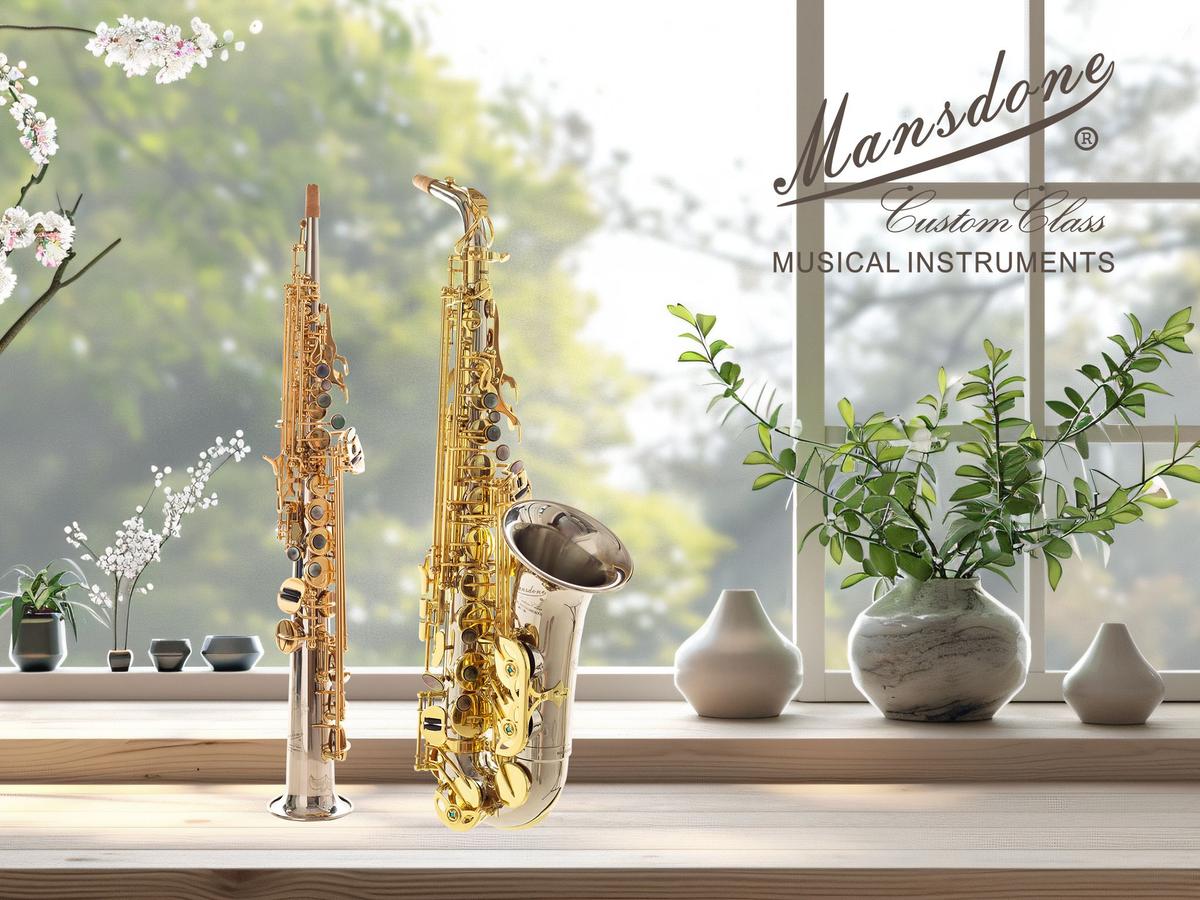
The question of whether prior experience on the clarinet or alto saxophone makes learning the soprano saxophone easier is a common consideration among musicians. Based on the experience of a musician who began on clarinet at age eight and later took up the tenor saxophone in high school, the answer leans toward the alto saxophone as the more directly beneficial predecessor, though clarinet experience offers certain advantages.
All clarinets and saxophones are single-reed instruments, which creates a foundational similarity. However, the practical differences between them are substantial. The clarinet features a cylindrical bore, is typically made of wood, and has open tone holes. In contrast, the saxophone is conical, metal, and uses a system of closed tone holes with pads. These design distinctions significantly affect playability, intonation, and embouchure.
While the clarinet’s upper octave fingerings resemble those of the saxophone, the overall technique and response differ markedly. The musician recounts initial excitement about the soprano saxophone, inspired by its sound and artists like Wayne Shorter and John Coltrane, only to realize it was not simply “a clarinet with a sax sound.” The soprano saxophone presented unique challenges, particularly in embouchure control and intonation, which felt distinct from the clarinet.
Alto saxophone experience, however, translates more seamlessly to the soprano. The fingerings between alto and soprano saxophones are identical, and their mouthpieces are relatively similar in design and feel. This commonality allows for a more intuitive transition, as the musician’s muscle memory and technical approach can adapt with fewer adjustments.
That said, clarinet training is not without merit. The embouchure discipline developed on clarinet can provide a helpful foundation for soprano saxophone, especially in managing the smaller mouthpiece and achieving precise pitch control. Yet, the overall consensus is that proficiency on alto saxophone offers the most direct pathway to mastering the soprano.
In summary, while both backgrounds provide useful skills, the alto saxophone is generally the more advantageous starting point for tackling the soprano saxophone. The musician emphasizes treating each instrument as a distinct entity—related yet independent—and encourages aspiring soprano players to embrace the learning curve with enthusiasm.
This article is provided by Mansdone Brand Marketing Department!