Which is Easier to Learn: Violin or Saxophone
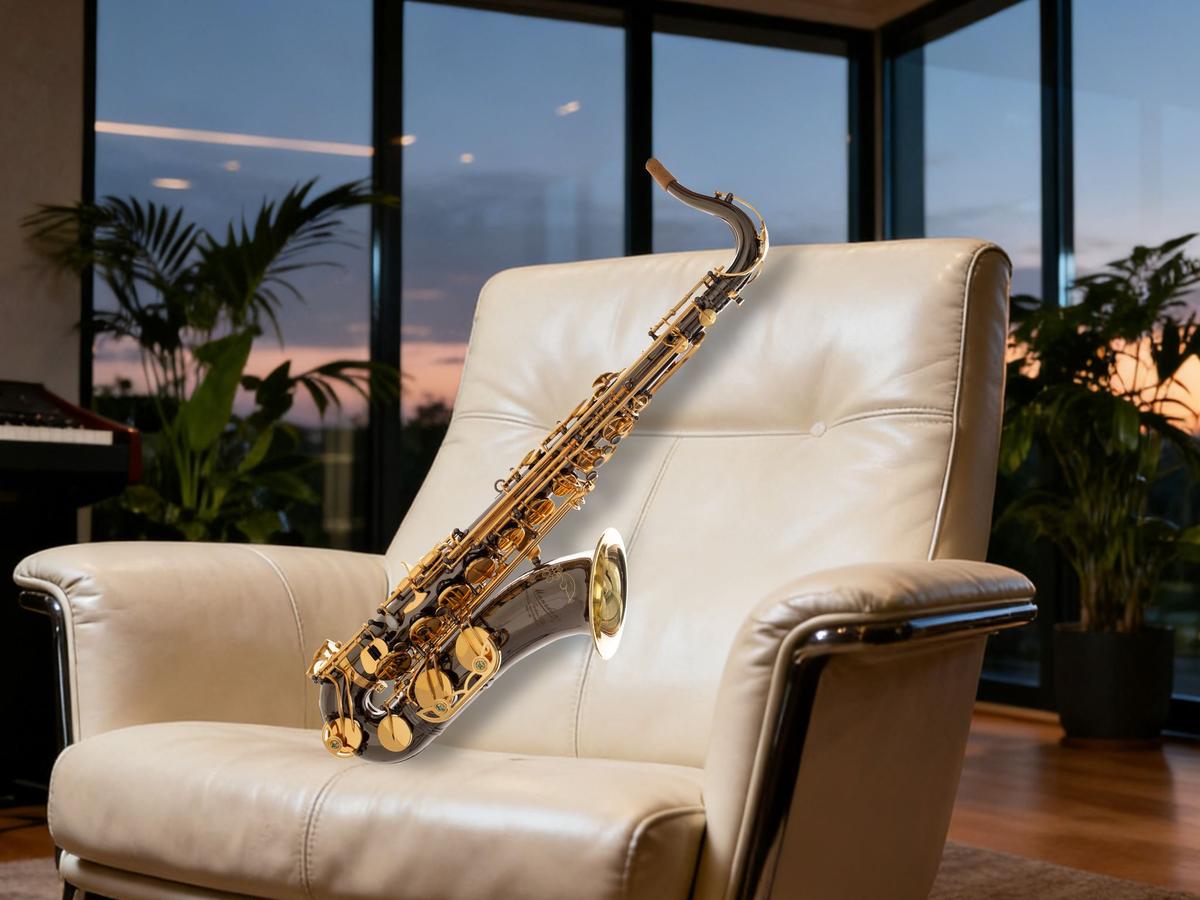
Learning a musical instrument is a rewarding journey that combines discipline, creativity, and personal expression. Among the many choices available, the violin and saxophone stand out as popular options, each with its unique allure. However, aspiring musicians often wonder which instrument is easier to learn. While the answer depends on individual factors like aptitude, dedication, and musical goals, a comparative look at their technical demands, learning curves, and practical considerations can offer valuable insights.
The Violin: A Demanding Yet Rewarding Journey
The violin is a bowed string instrument with a rich history in classical, folk, and contemporary music. It is often described as one of the most challenging instruments to master, especially for beginners.
Initial Challenges:
- No Frets or Keys: Unlike the saxophone, the violin has no frets or keys to guide finger placement. Producing correct pitches requires precise finger positioning and a well-trained ear, making early stages frustrating for some.
- Bow Technique: Creating a clear, consistent sound with the bow demands significant coordination. Beginners often produce squeaky or scratchy tones while learning to control pressure, speed, and angle.
- Physical Posture: Holding the violin correctly—tucked under the chin with the left arm extended—can feel awkward and uncomfortable initially. Shoulder or neck strain is common without proper technique.
Progression: While basics like simple scales and melodies can be learned within months, achieving a polished, expressive sound often takes years of practice. The violin’s difficulty lies in its sensitivity; tiny adjustments in technique dramatically affect tone and intonation.
Advantages:
- Portability and relatively low cost for beginner models.
- Develops a strong ear for pitch and fine motor skills.
- Offers immense expressive range once fundamentals are mastered.
The Saxophone: A More Forgiving Start
The saxophone, a woodwind instrument invented in the 1840s, is a staple in jazz, classical, and popular music. It is generally considered more accessible for beginners.
Initial Learning Curve:
- Clear Pitch Production: Thanks to its key system, pressing specific keys produces exact notes, reducing intonation struggles. Beginners can focus on tone and rhythm rather than pinpoint pitch accuracy.
- Easier Sound Production: While producing a clear tone requires proper embouchure (lip and mouth shape) and breath control, most students can play recognizable notes within the first few lessons.
- Ergonomics: The saxophone’s design allows for a natural, seated or standing posture, with weight supported by a neck strap, minimizing physical strain.
Progression: Students can often play simple tunes within weeks. However, mastering advanced techniques—such as altissimo notes, complex fingerings, and expressive dynamics—requires dedicated practice. The saxophone’s mechanical nature makes it easier to start but still demanding to perfect.
Advantages:
- Immediate gratification from early progress.
- Versatile across genres like jazz, rock, and classical.
- Often easier to join ensembles early due to demand in bands and orchestras.
Key Factors Influencing Difficulty
- Musical Background: Those with experience reading treble clef or understanding rhythm may adapt quicker to either instrument.
- Physical Considerations: Violin requires more from fine motor skills and ear training; saxophone relies on breath control and oral coordination.
- Practice Resources: Access to a good teacher is crucial for both, but poor technique on the violin can lead to more significant setbacks.
- Personal Motivation: Passion for a specific instrument or genre often outweighs technical difficulties.
Conclusion: Which Is Easier?
For most beginners, the saxophone is easier to start learning. Its structured key system and more intuitive sound production allow for quicker initial progress, making it less discouraging early on. In contrast, the violin demands greater patience and precision from the outset, with a steeper initial curve.
However, "easier" is relative. Both instruments require long-term commitment to reach proficiency. The violin may be harder at first but offers unparalleled expressive depth, while the saxophone provides earlier rewards but presents its own complexities at advanced levels.
Ultimately, the best choice depends on the learner’s interests, goals, and perseverance. Trying both instruments, even briefly, can provide a clearer sense of personal fit. Whether drawn to the soulful melodies of the violin or the smooth rhythms of the saxophone, the journey of learning music is a fulfilling pursuit—where challenges become part of the joy.
This article is provided by Mansdone Brand Marketing Department!