The Saxophone and the Piano: Why Your First Instrument Makes All the Difference
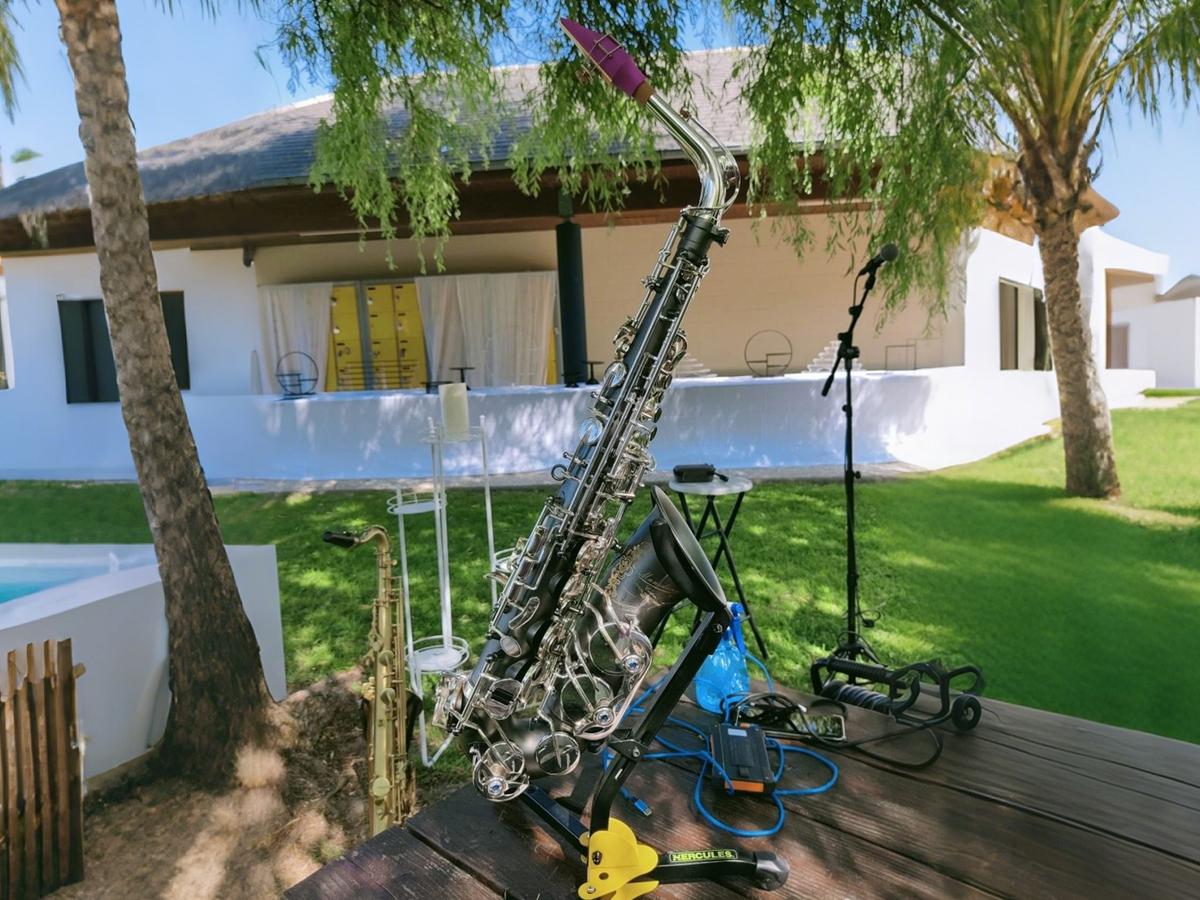 Learning a new instrument is a thrilling challenge. If you are a pianist considering the saxophone, you are in an excellent position. The consensus among musicians and educators is clear: yes, prior experience on the piano will significantly ease your journey into learning the saxophone. Here’s why, and what you can expect.
The Piano as the Ultimate Foundation
The piano is widely regarded as the definitive foundational instrument. It provides a visual and tactile map of music theory—scales, chords, intervals, and harmony are laid out logically before you. As one experienced musician notes, "Every musician should also play piano." By starting with piano, you don't just learn an instrument; you absorb the fundamental structure of music itself. This deep understanding becomes a powerful toolkit when approaching any new instrument.
When you learn your first instrument, you are doing double the work: mastering physical technique and deciphering the language of music. With the piano already under your belt, you have already "wrestled with" these core concepts. As a result, "second, third, and fourth instruments are easier to learn as you already know what you are trying to learn and how you will be trying to learn it."
Transferable Skills: From Keys to Reeds
Your piano background grants you several immediate advantages:
- Music Literacy: You can already read music fluently in both treble and bass clefs. "Learning the notes that relate to the keys on a sax are not real hard" when you can instantly recognize them on the staff.
- Rhythm and Timing: Your sense of pulse, subdivision, and complex rhythms is already developed from piano, allowing you to focus on execution rather than decoding the score.
- Harmonic Understanding: You know how melodies fit with chords. This is a massive benefit for improvisation, composition, and simply understanding your role in an ensemble.
- Practice Strategies: You know how to learn an instrument—how to break down difficult passages, use a metronome, and structure effective practice sessions.
An excellent practical tip from a parent-musician: "If you have a keyboard with a recording function, you can record things on the piano and play along with them on the sax, a trick that WILL help a lot." This allows for instant, supportive accompaniment that makes practice more engaging and musical from day one.
The New Challenge: Embouchure and Air
While your musical mind is ahead of the game, the saxophone will present a completely new physical challenge. The primary difficulty shifts from your fingers (though saxophone fingering is a new skill) to your face and breath.
The key hurdle is "building the muscle memory in your embouchure"—the specific way you shape your lips, jaw, and facial muscles around the mouthpiece to create a seal and control the reed. This, combined with learning to support your sound with steady airflow and articulate notes with your tongue ("tonguing"), forms the core of early saxophone technique. These are physical skills that simply have no parallel at the piano and require dedicated, patient practice to develop.
Choosing Your Horn: A Note for Beginners
For those ready to begin, the Alto Saxophone is generally recommended as the easiest starting point. It has a manageable size, a standard mouthpiece, and a comfortable key layout. The larger Tenor Saxophone (with its richer, mellower tone popular in jazz and blues) or the smaller Soprano present slightly greater physical challenges. As one saxophonist advises, "The other horns have different size mouth pieces," which affect the embouchure required.
Conclusion: A Harmonious Path Forward
In short, your piano experience provides the musical map, while the saxophone asks you to build a new vehicle to travel it. You have already done the hard work of understanding the terrain of music. Now, you get to apply that knowledge while mastering the rewarding physical art of producing a beautiful wind sound.
From the fiery brilliance of Cannonball Adderley’s alto to the profound explorations of John Coltrane’s tenor, the saxophone offers a world of expressive possibility. With a piano background, you are uniquely equipped to enter this world. So, take the leap, enjoy the process of building your embouchure, and let your existing musical knowledge guide you toward a new voice.
This article is provided by Mansdone Brand Marketing Department!