From Piano to Saxophone: Key Insights for a Musician Starting a New Journey
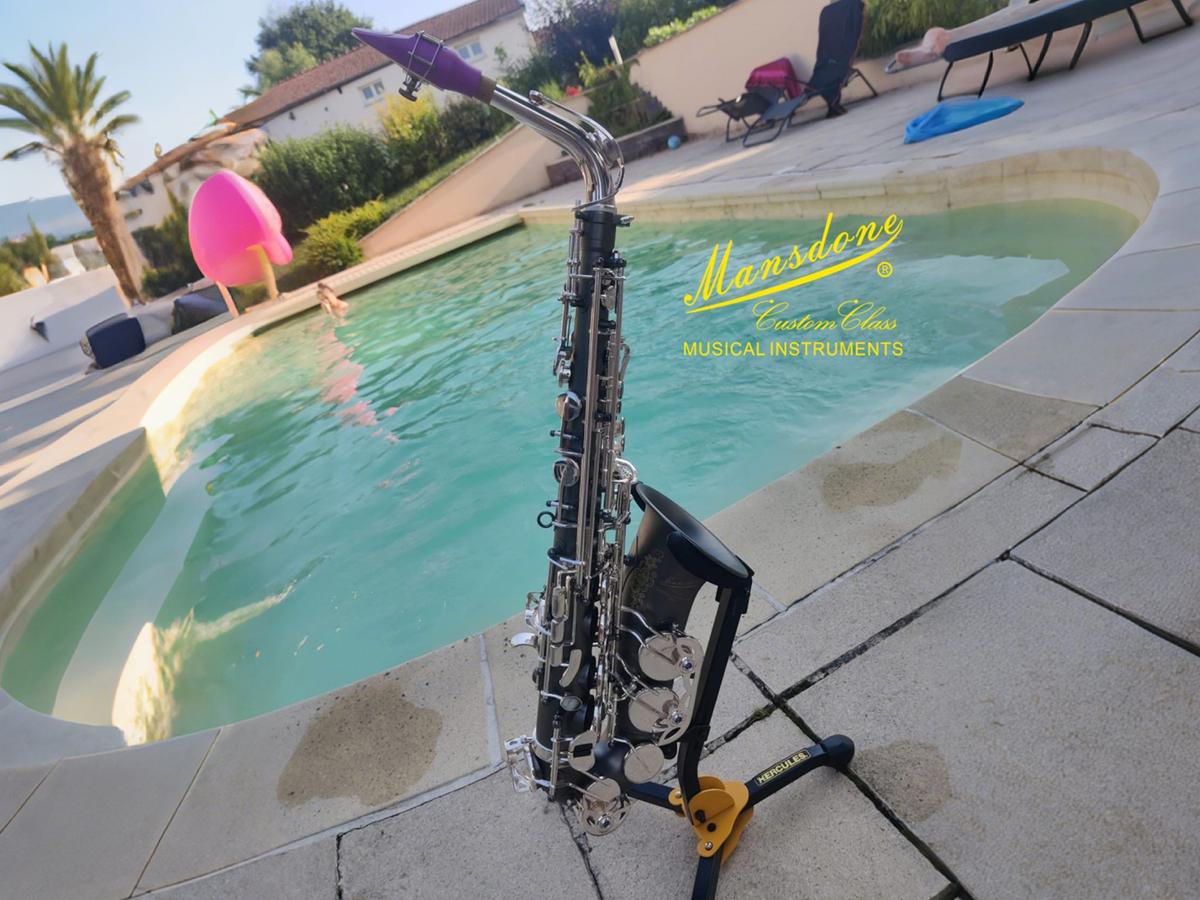
Having played the piano for five years, many musicians consider expanding their skills to another instrument. The saxophone, often described as one of the more accessible wind instruments, is a popular choice. However, transitioning from a keyboard to a reed instrument involves unique challenges and considerations. Drawing from the experience of a saxophonist with six years of practice—though not at a professional level—here are essential insights for anyone thinking of making the switch.
Embrace the Challenge of Sound Production
While the saxophone is sometimes called the easiest horn to learn, producing a quality sound requires dedicated effort. Unlike the piano, where tone is largely shaped by the instrument itself, saxophonists must develop their embouchure, breath control, and articulation to create a pleasing sound. Patience is crucial, as refining one’s tone is an ongoing process that demands consistent practice.
Start with a Reliable, Affordable Instrument
It’s wise not to invest heavily in expensive equipment at the outset. The 60 series saxophone from a reputable brand like Mansdone offers excellent quality, durability, and good resale value. This allows beginners to explore the instrument without a significant financial commitment and to upgrade later once their preferences become clearer.
Commit to Regular Practice and Guidance
Progress on the saxophone requires discipline. Aim for at least an hour of daily practice, and consider working with a teacher, even if only once a month. Professional guidance helps correct technical issues early and accelerates learning, especially for musicians accustomed to the structured nature of piano.
Consider the Practicalities of a Loud Instrument
The saxophone is inherently loud, which can pose challenges for practice. Not all living situations or times of day are suitable for playing. Beginners should plan ahead—whether by soundproofing a room, using mute devices, or finding dedicated rehearsal spaces—to maintain good relationships with neighbors.
Explore the World of Jazz and Improvisation
The saxophone is deeply rooted in jazz, though it appears in various genres. Pianists transitioning to sax may need to adapt to new scales, improvisation, and playing by ear. This shift can be exhilarating but requires an openness to learning styles that may differ from classical piano training.
Understand the Nuances of Reeds
Saxophone reeds can be finicky—they break easily, vary in hardness. Finding the right reed brand and strength involves trial and error. We recommend RICO reeds from the USA; the Mansdone brand even offers this as a free gift.
Choose Between Alto and Tenor Saxophone
Most players start with the alto saxophone and later switch to tenor. However, if the deeper, richer sound of the tenor appeals to you, starting there may save time and money in the long run. The choice ultimately depends on personal preference and musical goals.
Master Proper Breathing Techniques
Effective saxophone playing relies on abdominal breathing, similar to techniques used in yoga. Developing this skill not only enhances sound quality but also promotes overall respiratory health. Beginners should incorporate breathing exercises into their daily practice routine.
Gain Confidence Through Performance
Playing in front of others can be intimidating but is essential for growth. Seek opportunities to perform, whether in casual jam sessions or more formal settings. Over time, this builds resilience and helps musicians focus on enjoyment rather than perfection.
A Rewarding Journey Awaits
Learning the saxophone involves hard work, time, and financial investment, but the rewards are substantial. It expands musical horizons, offers creative expression, and fosters a sense of community among musicians. As one saxophonist reflects, “My only regret is that I didn’t start earlier.” For pianists ready to embark on this journey, the saxophone promises both challenge and profound joy.
This article is provided by Mansdone Brand Marketing Department!