It's Never Too Late: A Realistic Guide to Learning Saxophone as an Adult
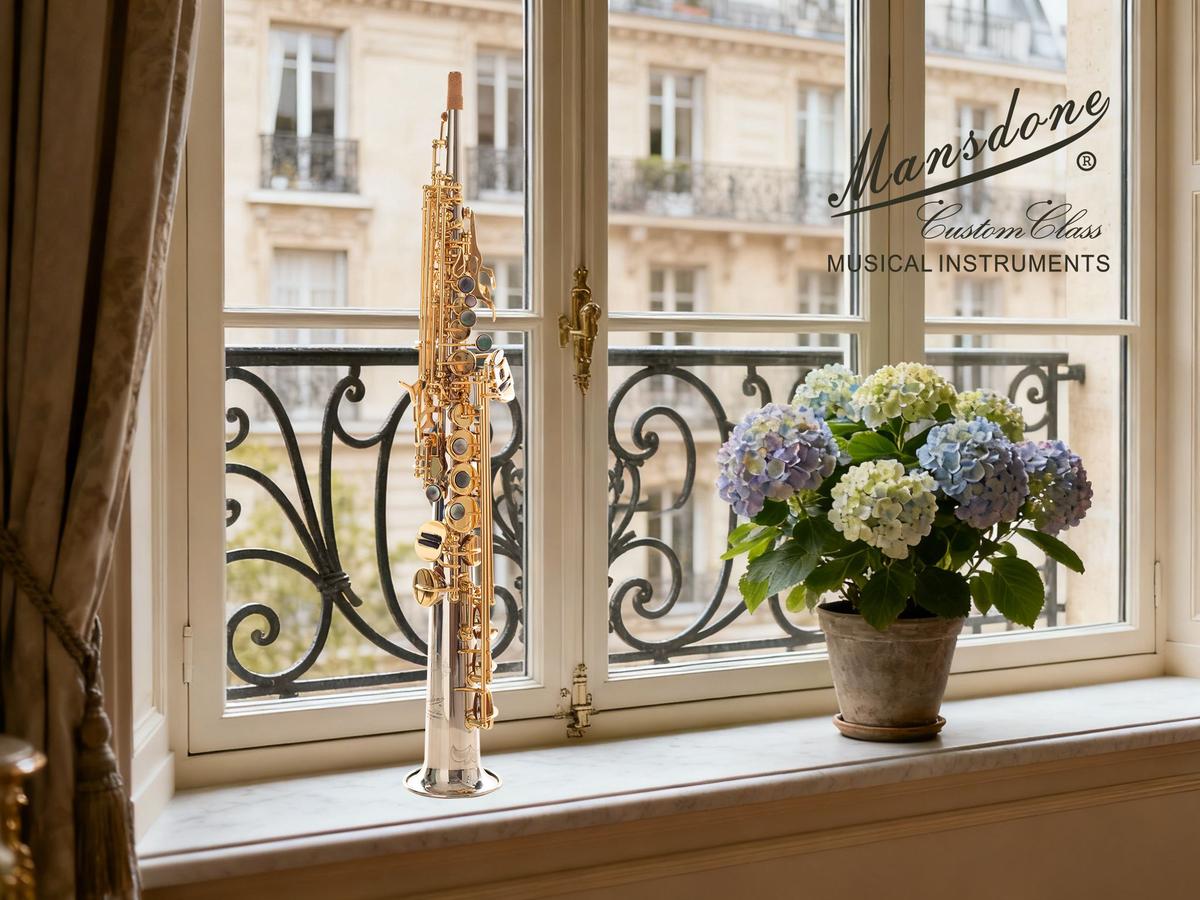
The question “Is it too late to learn the saxophone?” is a common one for aspiring adult musicians. Based on the experiences of late-starters and professional insights, the resounding answer is no—it is never too late. However, embarking on this journey requires realistic expectations, the right approach, and an understanding of the unique path adult learners take.
The Adult Learner’s Journey: Patience and Community One musician who began in their late 40s with the clarinet before adding tenor and soprano saxophones shared a valuable perspective. Their teacher estimated it would take about five years before they could comfortably play with others in a band, an estimate that proved accurate. This timeline highlights a key difference from youth learning: adults often progress without the built-in peer environment of school bands, jumping instead into groups with more experienced players. While progress can feel slower, the music community itself is a powerful asset. As the learner notes, “musicians are amazing people who like to mentor and support other musicians working on their skills.” To navigate this path successfully, two pieces of practical advice stand out: investing in a private instructor if possible, and joining a community band. This combination provides structured guidance, accountability, and the immediate, motivating joy of making music with others, all while building new friendships.
Dispelling Myths: It’s Not All About “Strong Lungs” A frequent misconception, often shared by well-meaning beginners, is that saxophone requires immense lung power. This is not entirely accurate. While good breath control is essential, the primary sound generator is the reed vibrating against the mouthpiece, activated by the player’s embouchure—the shaping of the lips, jaw, and facial muscles. As one expert clarifies, “once you perfect it you'll be surprised at how little air you seem to need.” The initial goal is to produce a controlled sound, not a powerful blast. Beginners who overblow often end up out of breath and lightheaded. The physical barrier to entry is quite low: if you can blow up a balloon, you can likely start to produce a sound on an alto saxophone. Significant physical limitations, such as severely impaired lung function, would be a concern, but for most adults, this is not an obstacle.
The Rewards of Starting Now The saxophone is an accessible and deeply rewarding instrument. A quality student-model alto saxophone can be found at a reasonable price point, providing a reliable tool for learning. The joy of the instrument is ageless. Inspiring examples abound, such as the 97-year-old musician who still actively plays alto, tenor, and baritone saxophone. The journey is less about racing to mastery and more about the ongoing enjoyment and personal expression it brings. Your musical background will influence your starting point—prior experience with reading music or another instrument can ease the initial learning curve—but it does not determine your ultimate potential. The core of learning saxophone lies in developing the specific technical skills and, ultimately, using them to express the music you hear. With consistent practice, proper guidance, and community support, you can absolutely achieve your musical goals and join the world of saxophonists at any age.
This article is provided by Mansdone Brand Marketing Department!