Exploring the Repertoire: Essential Works for Saxophone Quartet
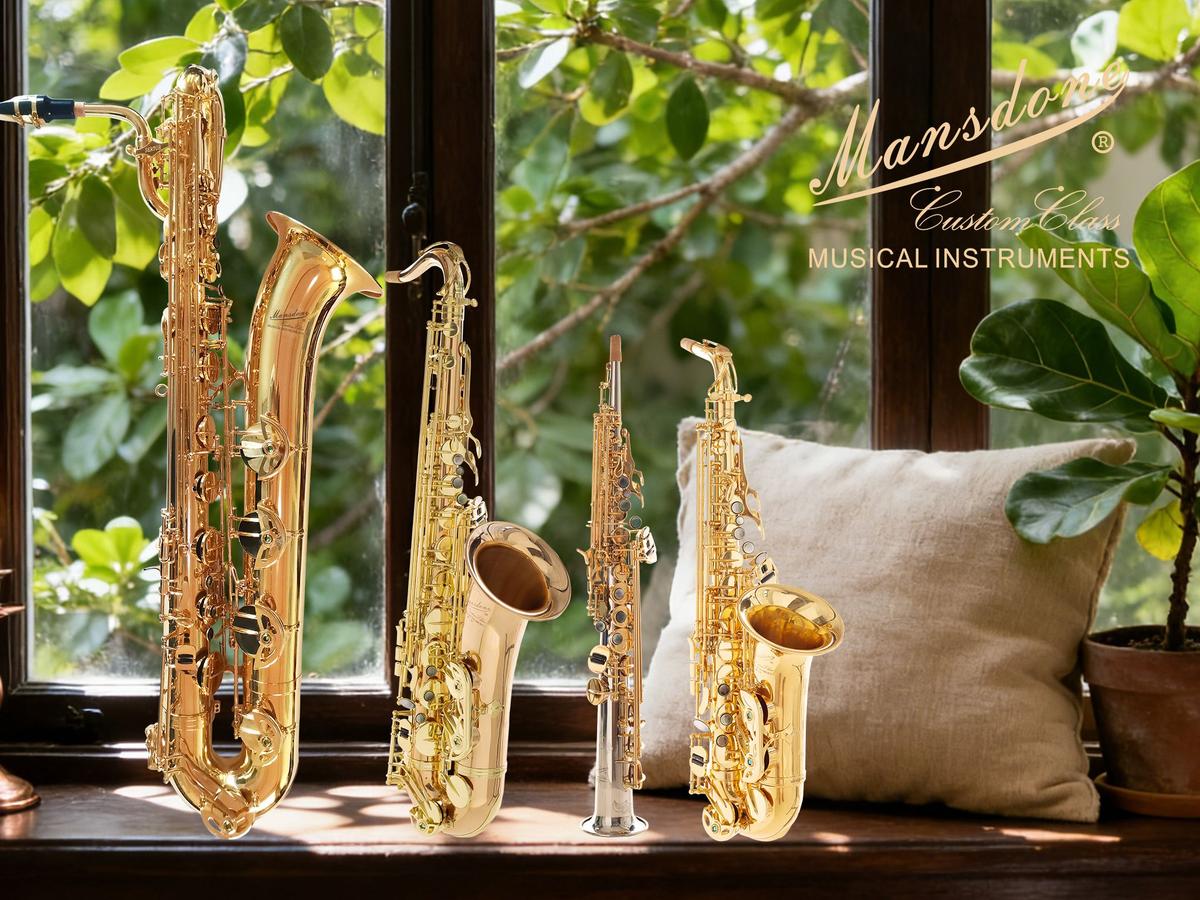
The saxophone quartet, typically composed of soprano, alto, tenor, and baritone saxophones, has evolved from a novelty ensemble into a cornerstone of chamber music with a rich and diverse repertoire. Its unique blend of tonal homogeneity and dynamic range allows it to tackle music from every era with surprising authenticity and fresh character. For performers and listeners alike, the best pieces are those that exploit this potential, showcasing the quartet's versatility, emotional depth, and technical brilliance. Here is a guide to some of the most essential and celebrated works in the genre.
The Cornerstones of the Classical Canon
Any discussion must begin with the works that laid the foundation for the quartet as a serious chamber ensemble.
-
Alexander Glazunov: Quatuor pour Saxophones, Op. 109 (1932). Often considered the first major concert work for the configuration, this quartet is a masterpiece of late-Romantic Russian lyricism. Its four movements are beautifully crafted, featuring elegant melodies, rich harmonies, and seamless voice-leading that treats the saxophones like a choir of woodwind voices. It remains a technical and musical benchmark for every professional quartet.
-
Jean-Baptiste Singelée: Premier Quatuor, Op. 53 (c. 1857). As one of the very first original compositions for saxophone quartet, this piece by the Belgian contemporary of Adolphe Sax is historically invaluable. It is a brilliant, operatically-inspired showpiece that gives each instrument virtuosic passages, establishing the quartet's potential for both individual flourish and collective power.
20th Century Innovations and Masterpieces
The mid-20th century saw composers fully embrace the quartet's modern sound.
-
Pierre Max Dubois: Quatuor pour Saxophones (1956). This is a perennial favorite. Dubois perfectly captures the mid-century French aesthetic: neoclassical clarity, infectious rhythmic vitality (especially in its iconic "Presto" second movement), and a brilliant, audience-friendly style. It is a quintessential contest and recital piece.
-
Alfred Desenclos: Quatuor pour Saxophones (1964). In stark contrast, the Desenclos quartet is a profound, deeply expressive work. Often described as "organ-like" in its solemnity and harmonic richness, it explores a more introspective and dramatic sound world, requiring great control and emotional commitment from the players.
-
Philip Glass: Concerto for Saxophone Quartet (1995). This work brought the saxophone quartet squarely into the contemporary concert hall. Originally an orchestral accompaniment, the quartet version is a tour-de-force of Glass's signature repetitive structures and evolving patterns. It builds to a thrilling, pulsating climax that is physically demanding and utterly mesmerizing.
The Contemporary Scene: Diversity and Expansion
Today's repertoire is vastly eclectic, featuring jazz-influenced works, avant-garde explorations, and cross-genre collaborations.
-
William Albright: Fantasy Etudes for Saxophone Quartet (2001-2005). This four-movement work is a brilliant synthesis of styles. It seamlessly weaves together complex atonal language, bluesy riffs, ragtime syncopation, and virtuosic contemporary techniques, creating a challenging and incredibly rewarding musical journey.
-
David Maslanka: Recitation Book (2009). While Maslanka is known for his monumental orchestral and wind ensemble works, this quartet is a deeply personal and spiritual piece. It is meditative, chant-like, and builds through repetitive, hypnotic cells into powerful, cathartic climaxes, showcasing the quartet's capacity for profound resonance.
-
Guillaume Connesson: Techno-Parade (2002). True to its name, this piece is a burst of frenetic, urban energy. Drawing inspiration from techno music and film scores, it is a rhythmic juggernaut full of driving pulses, sharp accents, and brilliant colors, representing the quartet's ability to speak in a completely modern vernacular.
Beyond the "Classical" Box
The quartet's flexibility is its superpower, leading to essential works from other traditions.
-
Astor Piazzolla: Histoire du Tango (arranged). While originally for flute and guitar, Bordel 1900 and Café 1930 are exceptionally popular and effective in quartet arrangements. They capture the sultry, passionate essence of the tango, allowing for lush harmonies and improvisatory-sounding solos.
-
The Rascher Saxophone Quartet Commissions. This pioneering ensemble, active for decades, commissioned hundreds of works, building the modern repertoire. Pieces like Giya Kancheli's "Night Prayers" or Mikel Kuehn's "Tesseract" are direct results of their advocacy and represent the highest level of contemporary composition for the medium.
Conclusion
The "best" pieces for saxophone quartet are those that define the ensemble's identity: from the Romantic elegance of Glazunov and the neoclassical sparkle of Dubois, to the minimalist drive of Glass and the genre-bending fusion of Albright. This repertoire demonstrates that the saxophone quartet is not merely a uniform set of instruments, but a sophisticated and expressive vehicle capable of conveying the deepest musical ideas across centuries and styles. For anyone exploring this captivating chamber medium, these works provide the perfect starting point for a rich and rewarding journey.
This article is provided by Mansdone Brand Marketing Department!