Finding Your First Tenor Saxophone Solo: A Guide for Beginners
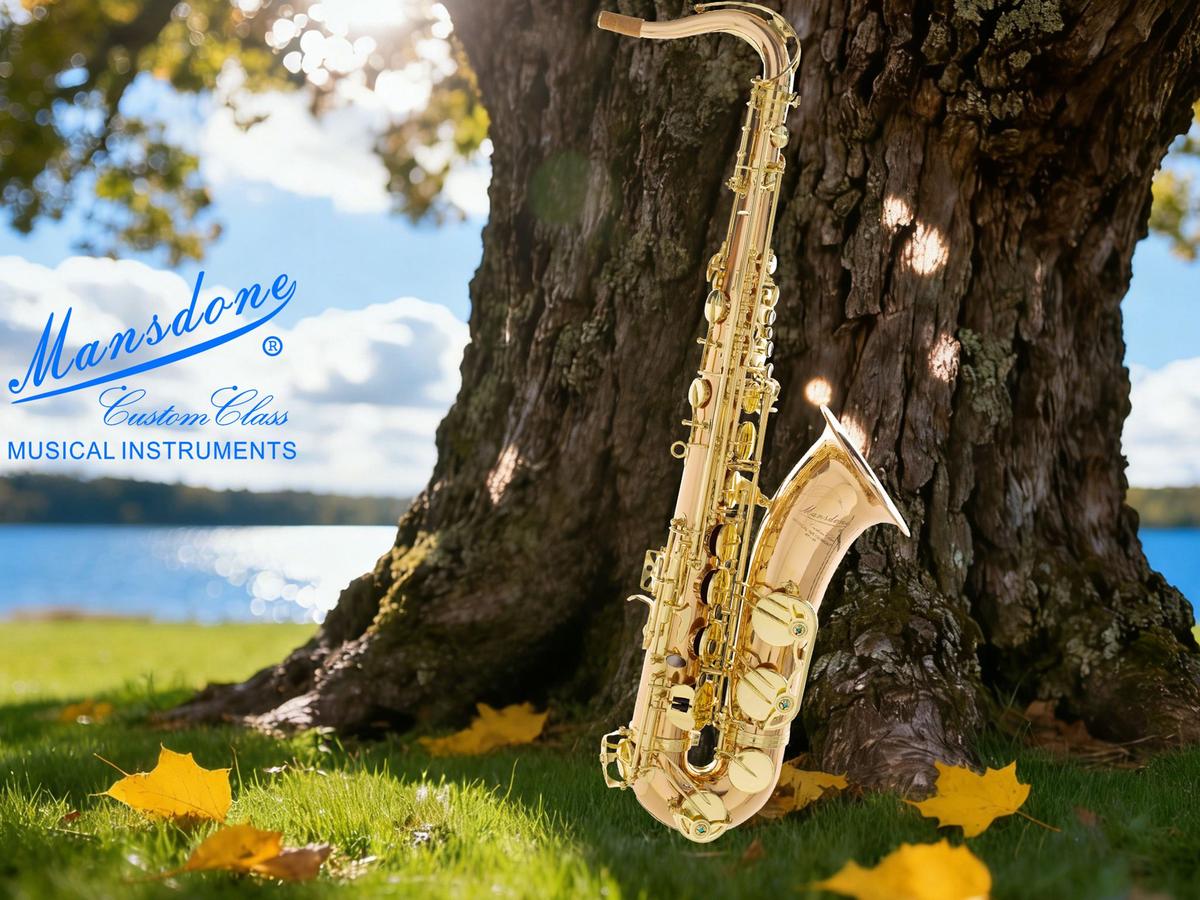
Choosing your first tenor saxophone solo can feel overwhelming, but the right piece builds confidence, reinforces fundamentals, and fuels your passion. The key is to select music that is musically rewarding yet technically approachable, allowing you to focus on tone, rhythm, and expression. Here are some highly recommended, time-tested solos perfect for beginner and early intermediate players, along with guidance on how to approach them.
Top Picks for Easy & Melodic Tenor Sax Solos
1. "Summertime" (from Porgy and Bess by George Gershwin) This is a quintessential beginner's piece. Its slow, bluesy tempo, simple repetitive structure, and limited range make it ideal. The challenge lies not in the notes, but in conveying the song's languid, soulful character. It’s perfect for practicing breath control, smooth legato phrasing, and adding subtle vibrato.
2. "Autumn Leaves" (Joseph Kosma) A jazz standard found in every real book, "Autumn Leaves" is a fantastic entry point into the world of jazz. Its straightforward, descending melodic pattern and common chord progression (found in both minor and relative major keys) are foundational. Start by playing the melody exactly as written, then experiment with simple improvisation using the corresponding minor scale.
3. "Blue Bossa" (Kenny Dorham) This tune bridges the gap between jazz and Latin styles. It has a compact, memorable melody with a comfortable range and a moderate tempo. Mastering "Blue Bossa" teaches you a bossa nova rhythm feel and introduces you to a simple minor key (D minor) that's very friendly on the tenor sax.
4. "When the Saints Go Marching In" (Traditional) Don't overlook this traditional gospel/jazz standard. It’s familiar, inherently melodic, and sits beautifully in the tenor's middle register. It’s excellent for working on precise articulation (tonguing) and swinging the rhythm. You can start with a straight rendition and gradually add simple New Orleans-style rhythmic embellishments.
5. "Fly Me to the Moon" (Bart Howard) This swing classic features a timeless, singable melody with a predictable phrase structure. Its steady rhythm provides a solid framework for working on your jazz timing and feel. The chord changes are also a great, accessible foundation for later venturing into basic improvisation.
6. "C-Jam Blues" (Duke Ellington) Perhaps the simplest blues ever written, the melody of "C-Jam Blues" is essentially a two-note pattern! This makes it the perfect first step into the 12-bar blues form. You can master the head (melody) quickly and then use the repetitive blues progression in C to safely practice your very first scale-based improvisation with the C major or blues scale.
How to Practice and Succeed with Your First Solo
Selecting the piece is only the first step. Here’s a reliable practice strategy:
- Listen First: Before you play a note, find multiple recordings of your chosen solo by great artists. For "Summertime," listen to Miles Davis or John Coltrane. For "Autumn Leaves," check out Cannonball Adderley. Internalize the sound, phrasing, and feel.
- Start Slow: Use a metronome. Learn the notes and rhythms at a painfully slow tempo where you make no mistakes. This builds muscle memory correctly.
- Focus on Fundamentals: Your priority should be a consistent, warm tone and solid timekeeping. A beautiful, steady note is far more impressive than a flurry of rushed, squeaky ones.
- Master the Rhythm Section: Practice with backing tracks, which are abundantly available online for all these standards. This teaches you to lock in with other "musicians" and is infinitely more fun than playing alone.
- Add Expression Gradually: Once the notes are secure, start shaping the music. Add dynamics (louds and softs), think about where to breathe musically, and introduce a little vibrato at the ends of sustained notes.
A final, crucial tip: The most rewarding path is taken with guidance. A good teacher can tailor selections to your exact ability, correct technical habits early, and provide immediate feedback that books or videos cannot. Combine a quality instructor with these accessible, melodious solos, and you’ll build a joyful and solid foundation for your tenor saxophone journey.
Difficulty is subjective; if a piece feels too challenging, there is no shame in finding an even simpler one or slowing your pace. Consistent, mindful practice is the true key to progress.
This article is provided by Mansdone Brand Marketing Department!