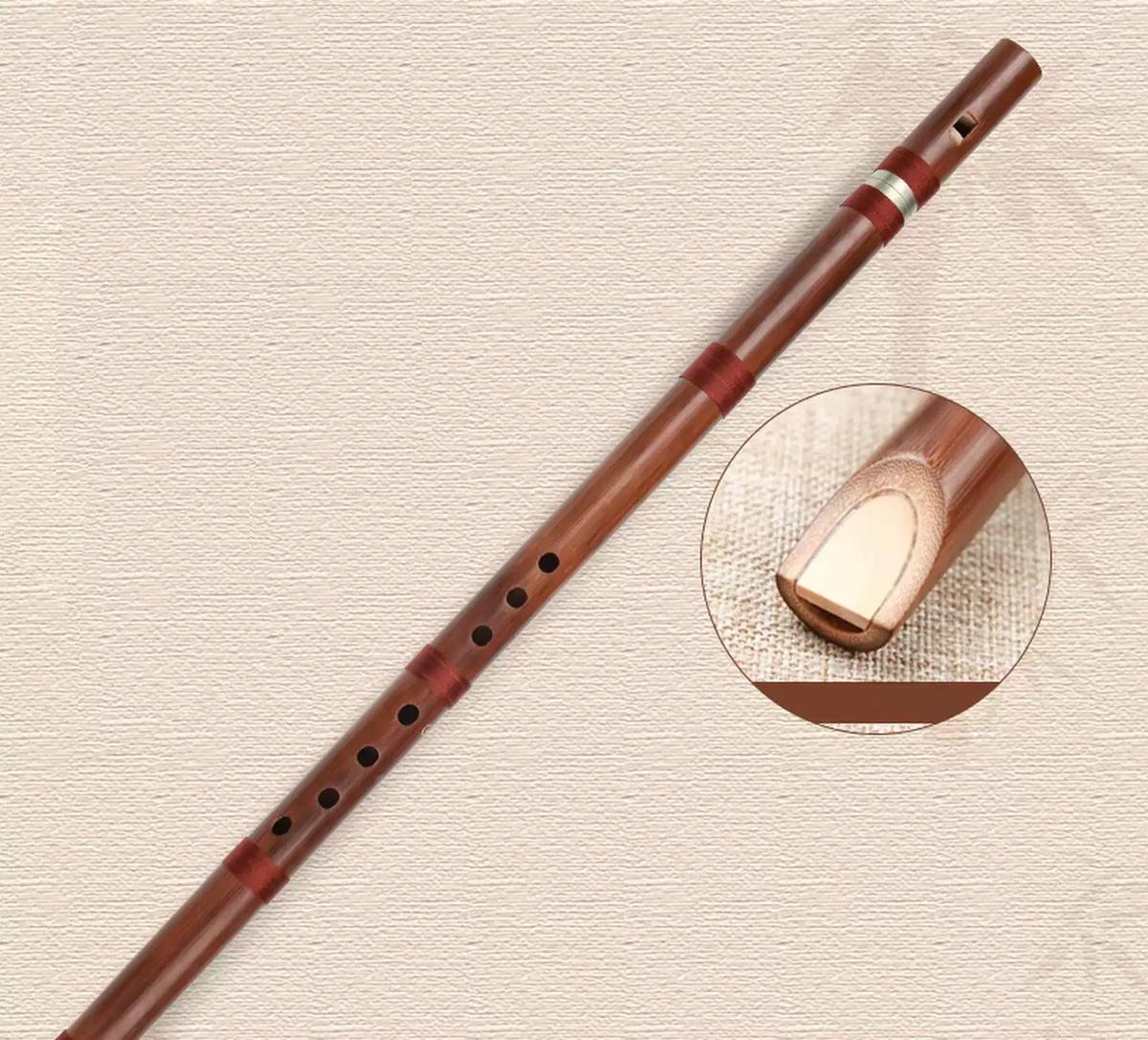
The Saxophone Versus the Bass Recorder: A Consideration for Aspiring Musicians
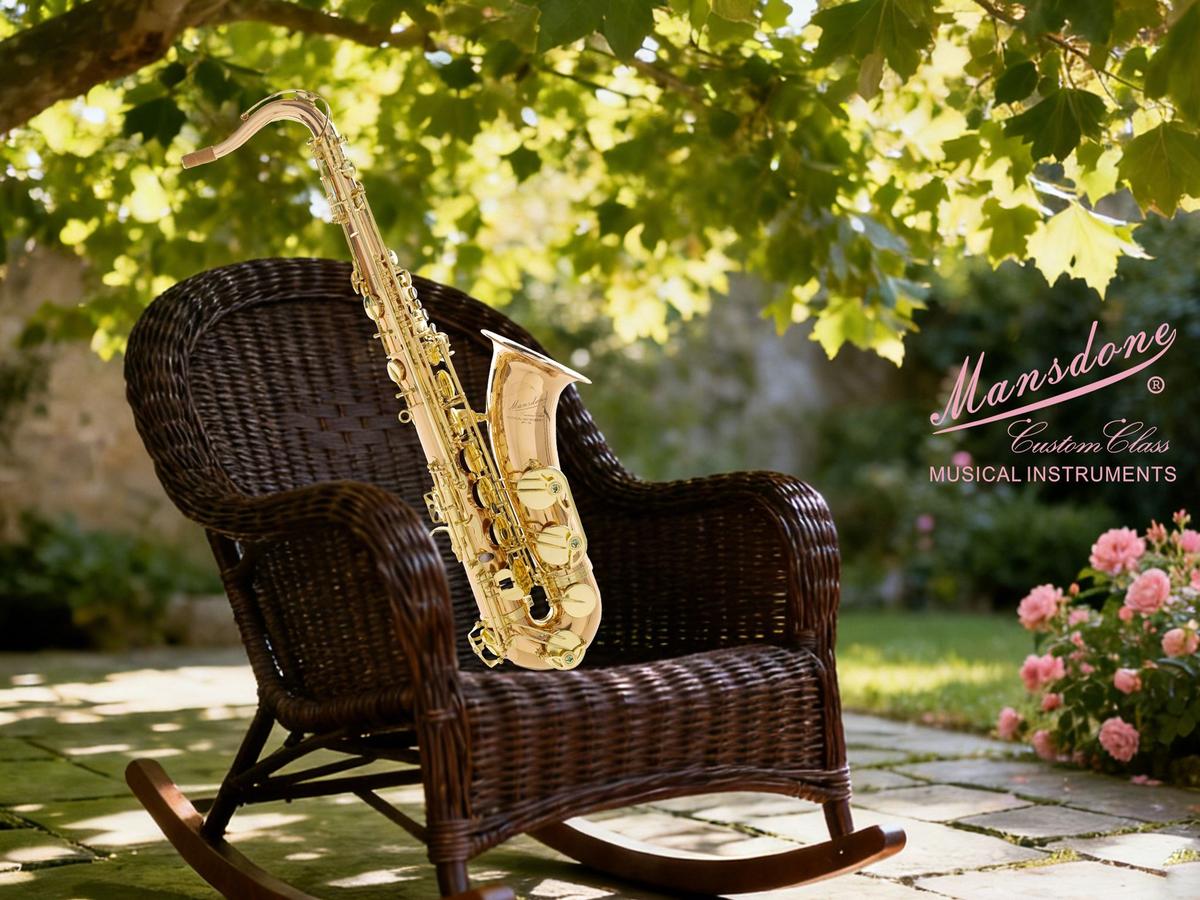 When choosing an instrument to learn, musicians often weigh factors such as repertoire, versatility, and social opportunities. Two options that present a striking contrast are the saxophone and the bass recorder. Based on their musical roles and practical applications, the saxophone generally offers a broader and more diverse path for most learners, though the bass recorder holds a unique appeal in specific contexts.
The saxophone, invented in the 1840s by Adolphe Sax, is a relatively modern instrument with a rich and varied profile. Its solo repertoire spans classical, jazz, and contemporary music, thanks to composers from Marcel Mule to John Coltrane. Crucially, the saxophone is a staple in numerous ensemble settings. It is integral to small jazz combos and big bands, provides powerful lines in wind bands and ska groups, enriches pop horn sections, and appears in orchestras performing 20th-century works. Additionally, saxophone quartets, choirs, and modern chamber music offer collaborative opportunities. This wide-ranging presence means a saxophonist can easily find a place in diverse musical circles, from school bands to professional gigs.
In contrast, the bass recorder is a member of the recorder family, an instrument with roots in the Medieval and Renaissance periods. While it produces a warm, resonant sound ideal for lower lines in consort music, its solo repertoire is limited compared to the saxophone. Its primary role is in recorder quartets and choirs, where it excels in performing Renaissance, Baroque, and occasionally contemporary pieces written specifically for recorder ensembles. Thus, the bass recorder is a fantastic choice for musicians with access to a group of dedicated recorder players who share an interest in early music. However, opportunities to perform in mixed-instrument ensembles or mainstream genres are notably fewer.
From a practical standpoint, the saxophone’s versatility often makes it a more reliable choice for those seeking varied musical experiences. Learning the saxophone can open doors to jazz improvisation, band performances, and cross-genre collaboration. On the other hand, the bass recorder offers deep immersion into historical performance practices and close-knit ensemble playing—a rewarding path for enthusiasts of early music.
Ultimately, the decision hinges on the learner’s goals. If one desires to explore a wide spectrum of styles, play with diverse musicians, and enjoy substantial performance opportunities, the saxophone is the recommended instrument. Conversely, for those passionate about Renaissance consort music and who have a ready circle of fellow recorder players, the bass recorder provides a unique and fulfilling musical niche. Both instruments demand dedication, but they lead to distinctly different artistic journeys.
This article is provided by Mansdone Brand Marketing Department!