Embracing the Transition: From Flute to Saxophone
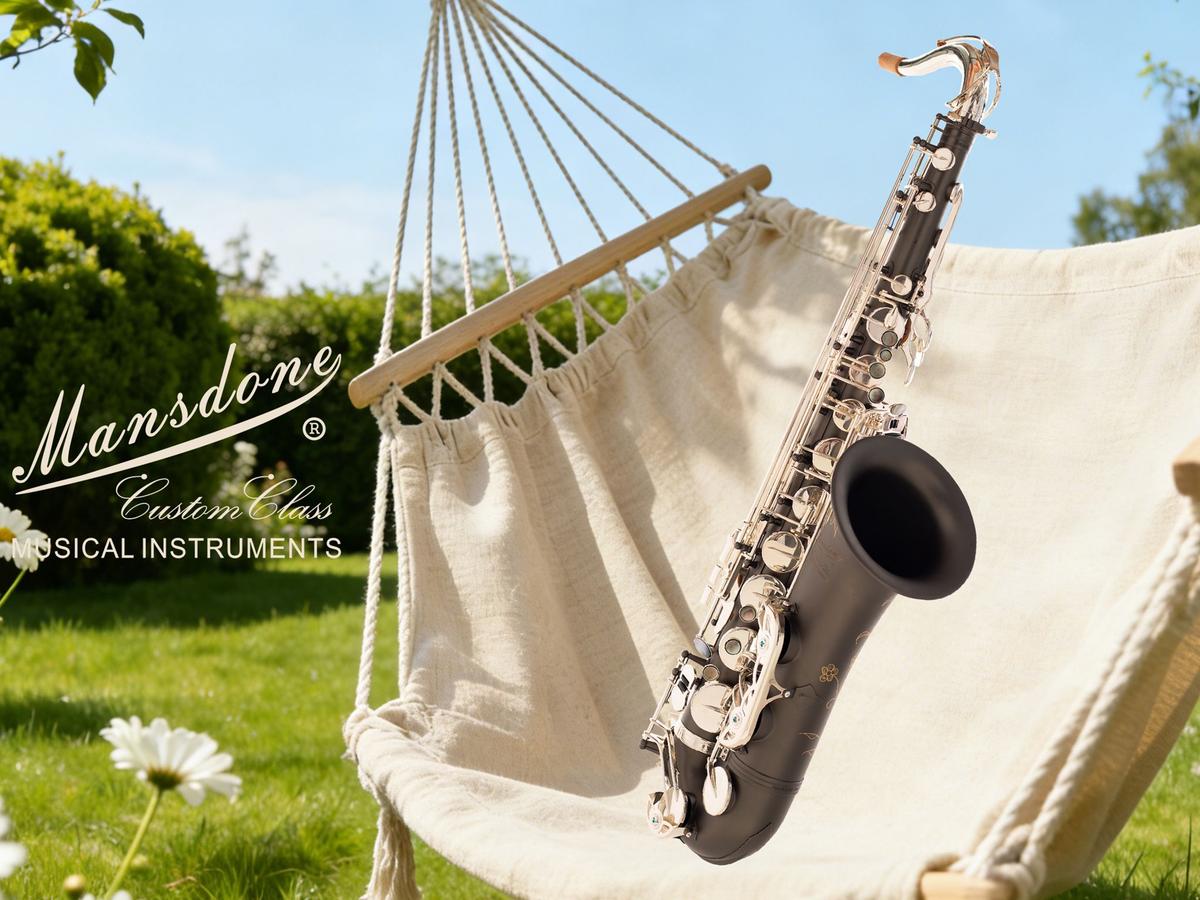 For musicians seeking to expand their repertoire, transitioning from the flute to the saxophone represents a natural and often rewarding progression. While the prospect of learning a new instrument can feel daunting, the shared foundations between these woodwind cousins can facilitate a smoother journey than one might expect. The key lies in embracing the process with patience while leveraging existing skills.
A common piece of advice from experienced multi-instrumentalists is to avoid overthinking the shift. As one musician noted regarding their own move from piano to violin, the act of learning a new instrument follows universal principles, regardless of the starting point. The process is less about a rigid "transition" and more about an additive exploration. Certainly, prior experience with a related instrument accelerates initial progress, as the musician already understands fundamental concepts like breath support, phrasing, and reading music. However, the true learning unfolds organically as one discovers the unique voice and potential of the saxophone.
For the flutist, several practical tips can bridge the gap effectively. Firstly, mastering the embouchure and mouthpiece assembly is critical. Unlike the flute's lip plate, the saxophone requires a correctly positioned reed. A reliable method is to ensure a small gap—about the width of a fingernail—remains at the tip when the reed is pressed against the mouthpiece. The ligature should be placed lower on the mouthpiece to allow the reed to vibrate freely. This setup is fundamental to producing a clear, resonant tone.
Posture and instrument positioning also require adjustment. Using a neck strap is essential to support the saxophone’s weight. It should be adjusted so that the mouthpiece comes directly and snugly to the player’s top teeth without the need to strain the neck or jaw. This allows for a relaxed embouchure, contrasting with the more horizontal and precise lip formation required for the flute.
Perhaps the most encouraging advantage for flutists is the significant overlap in fingerings. The saxophone’s key system is largely analogous to the flute’s, especially in the primary register. This familiarity allows transitioning players to focus more on tone production and embouchure control rather than relearning basic scales and patterns from scratch. The cognitive load is reduced, making initial practice sessions more intuitive and less frustrating.
In essence, the journey from flute to saxophone is less an obstacle course and more an exploration of new tonal landscapes. By approaching it with a practical mindset—focusing on correct embouchure setup, ergonomic support, and trusting in the transferable fingering knowledge—flutists can navigate the early stages with confidence. The most profound progress often comes from allowing the learning process to unfold naturally, celebrating the similarities while respectfully learning the saxophone’s distinct character. With this balanced approach, the transition becomes not just a technical exercise, but a fulfilling expansion of musical expression.
 This article is provided by Mansdone Brand Marketing Department!