Is a Love for Jazz Necessary to Play the Saxophone
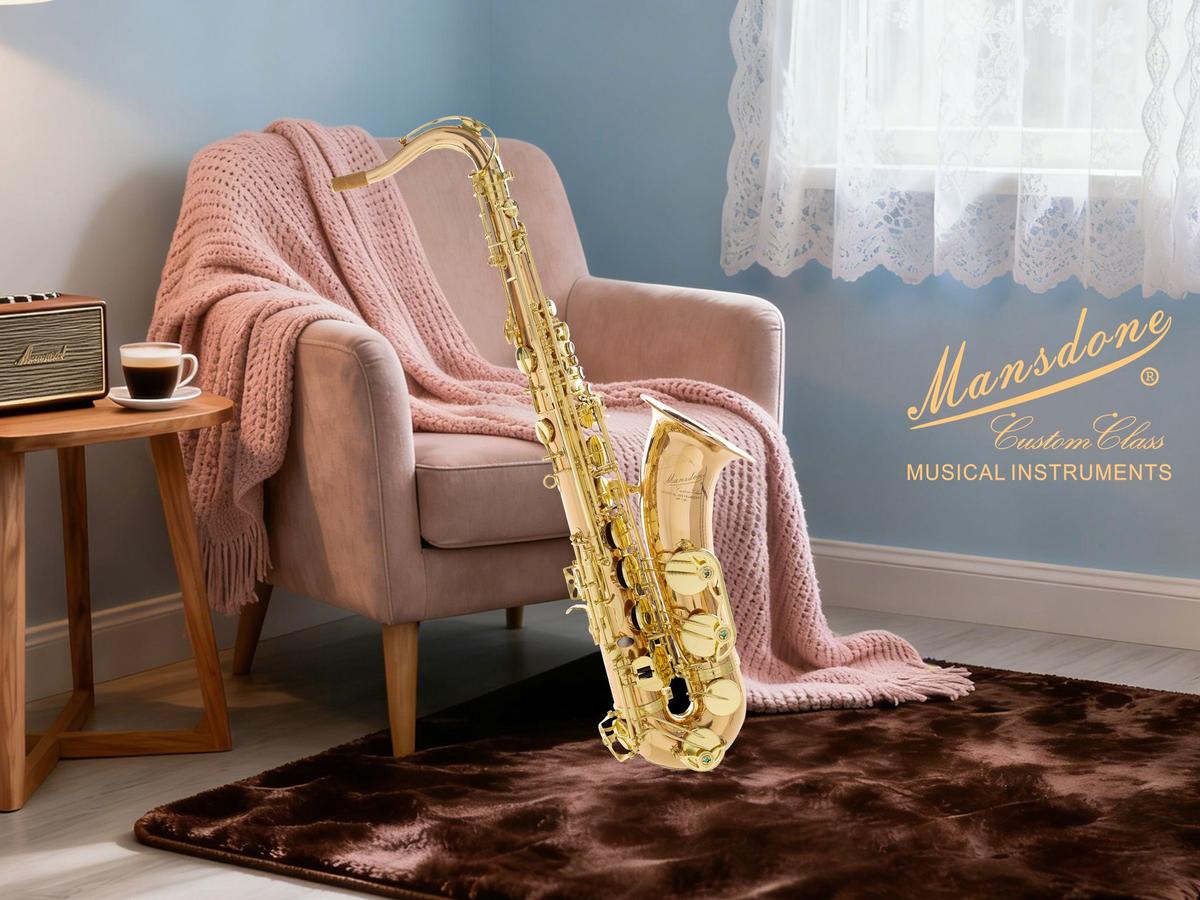 The saxophone, with its smooth curves and gleaming brass, is an instrument often visually and sonically linked to jazz. Iconic figures like Charlie Parker, John Coltrane, and Stan Getz have cemented this association in popular culture. This leads to a common assumption: to play the saxophone, one must inherently love jazz music. However, this perception is more a reflection of the instrument's prominent role in one genre rather than a limitation of its versatility.
In reality, the saxophone enjoys a rich and varied life across multiple musical traditions. While it is true that the instrument, invented by Adolphe Sax in the 1840s, arrived too late for the Baroque or Classical eras, it was eagerly adopted by Romantic and later modernist composers. The classical saxophone repertoire is substantial and growing. Composers such as Alexander Glazunov, who wrote a concerto for alto saxophone, and Jacques Ibert, with his celebrated Concertino da Camera, created cornerstone works for the instrument. Furthermore, the saxophone is a standard member of concert bands, wind ensembles, and contemporary classical groups. Many saxophonists begin their studies with classical etudes and solos, such as adaptations of Rachmaninoff’s "Vocalise," focusing on tone production, technical precision, and lyrical phrasing—skills foundational to any style.
Beyond the concert hall, the saxophone is a staple in funk, soul, rock, and pop music. The powerful riffs in soul classics, the soaring solos in 80s rock ballads, and the melodic hooks in modern pop all showcase the instrument's broad appeal. An aspiring saxophonist might be drawn to the instrument through the music of David Sanborn (pop/jazz), Clarence Clemons (rock), or Maceo Parker (funk), none of which are purely jazz contexts.
The notion that an instrument is bound to a single genre is historically inconsistent. Musical instruments are tools of expression, and their application evolves. While the oboe is not traditionally a jazz instrument, pioneering multi-instrumentalists like Yusef Lateef have demonstrated its potential in that setting. Conversely, the violin, deeply rooted in classical music, flourishes in folk, bluegrass, and modern experimental genres. The saxophone is no different; its technical design does not restrict it to jazz any more than the piano is restricted to classical sonatas.
Ultimately, passion for the music one plays is a far more critical factor for success and enjoyment than adhering to a genre stereotype. A prospective saxophonist who loves classical music can build a fulfilling study and performance path within that tradition. Someone inspired by funk or pop can direct their practice toward those sounds. While an appreciation for jazz may naturally develop due to the instrument's profound connection to that art form, it is not a prerequisite. The most important ingredients for learning the saxophone are genuine interest in the instrument itself, dedication to practice, and a desire to express oneself through its distinctive voice.
Therefore, the answer is clear: one does not need to love jazz music to play the saxophone. The instrument's versatility across classical, contemporary, and popular music provides ample opportunity for any musician to find their unique musical home.
This article is provided by Mansdone Brand Marketing Department!