Exploring the Technical Frontiers of the Saxophone: A Look at Its Most Demanding Repertoire
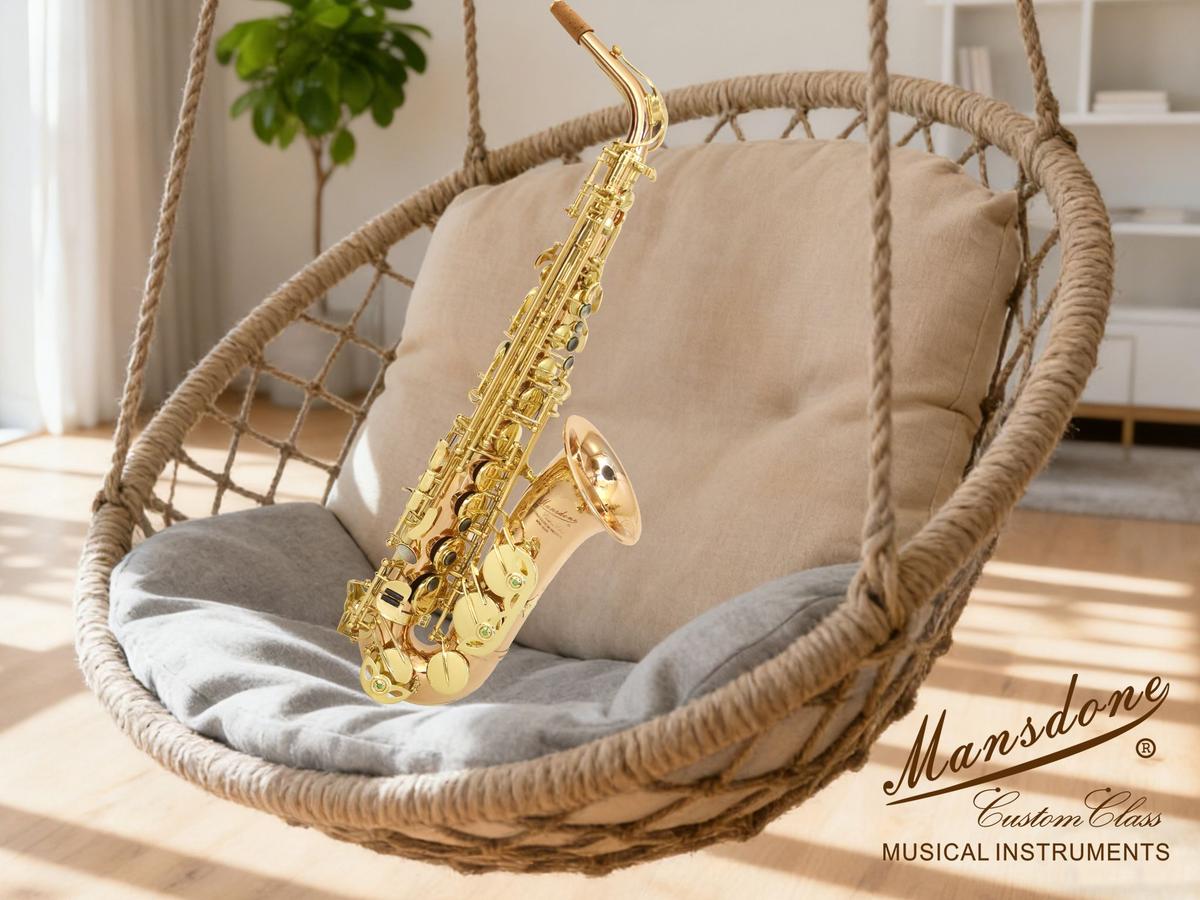 The saxophone, though not originally conceived for the classical canon, has developed a formidable and challenging repertoire that pushes the boundaries of technique, expression, and endurance. For performers seeking the instrument's greatest technical challenges, several works are consistently cited by advanced players for their extreme demands.
Among the most notorious is Eugène Bozza's Aria. A staple of saxophone pedagogy, this piece is deceptively complex. Its lyrical, classical surface demands profound control, requiring the player to "dig deep within" to achieve the necessary purity of tone, nuanced phrasing, and sustained legato. Far from a simple study, it tests the fundamental musicality and breath control of the performer.
For sheer technical virtuosity, Paul Creston's Sonata for Alto Saxophone and Piano, Op. 19 remains a benchmark. A frequent choice for high-level competitions, it forces extreme technical facility with its rapid passagework, intricate rhythms, and dynamic contrasts across the entire range of the instrument. Mastery of the Creston Sonata signifies comprehensive command of the saxophone's technical lexicon.
The challenge, however, extends beyond traditional technique. The Sonata by William T. Worley presents a dramatic physical test from its opening measures, featuring lightning-fast leaps from the instrument's lowest register to the altissimo "stratosphere." This work demands not only flawless technique but also exceptional embouchure strength and stability to manage the extreme intervals with precision and consistent tone quality.
Modern compositions introduce different kinds of hurdles. John Joseph's 7th Healing Song incorporates electronics, requiring the live performer to synchronize perfectly with a pre-recorded tape. This adds a layer of rhythmic inflexibility and exacting coordination, where any deviation can disrupt the integral relationship between the acoustic and electronic elements.
Other contemporary works, like Joseph Wyman's Jiwa (Indonesian for "The Heart" or "The Soul"), present interpretive challenges. With its frequent tempo and emotional shifts, the piece exists in a space between the composer's notation and the performer's spirit. As such, it can "sound like an entirely different piece based on interpretation," raising the philosophical question of where the composer's instruction ends and the performer's free will begins. This embodies the saxophone's modern identity, liberated from earlier classical constraints and open to personal artistic exploration.
Pushing the instrument's physical possibilities even further are the techniques explored by avant-garde pioneers like Evan Parker. His solo saxophone work, while outside the standard repertoire, represents one of the ultimate frontiers of difficulty. Parker employs circular breathing and multiphonics (the sounding of multiple notes simultaneously) to create dense, continuous textures. Producing controlled harmonics to get "2, and sometimes a 3rd note playing simultaneously" requires a radical rethinking of embouchure, air stream, and finger technique, making his music "super challenging" though not conventionally melodic.
Finally, performers often reference monumental works like the sprawling "Russian Piece"—often understood to be Alexander Glazunov's Concerto for Alto Saxophone and String Orchestra, Op. 109—which tests endurance and lyrical stamina through its long, demanding phrases and cadenzas.
This diverse and demanding body of work highlights why the saxophone remains a dynamic and challenging instrument. From the sweet classicism of Bozza to the extreme technicality of Creston, the interpretive freedom in Wyman, and the extended techniques of Parker, the repertoire offers endless avenues for artists to test their limits. It is this blend of structural rigor and modern freedom that continues to captivate performers, solidifying the saxophone's unique and vibrant place in contemporary music.
This article is provided by Mansdone Brand Marketing Department!