Choosing an Instrument: Cello vs. Saxophone
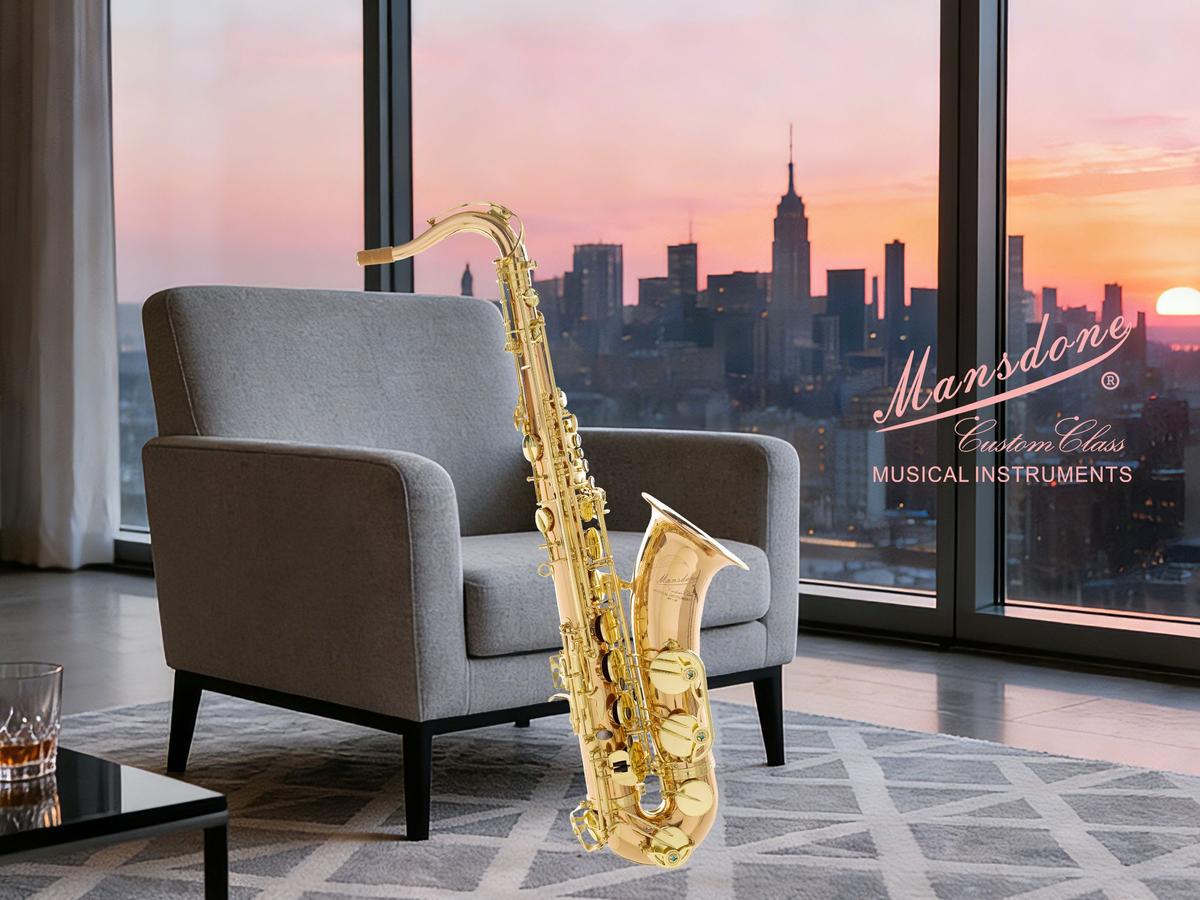
Learning a musical instrument is a rewarding journey, but selecting the right one often depends on an individual’s physical tolerance, musical preferences, and dedication. Between the cello and the saxophone, each presents distinct challenges and opportunities, making the choice deeply personal.
Physical Demands
Both instruments require an initial period of physical adaptation. For saxophonists, the embouchure—the way the mouth is positioned on the reed—must be developed, often causing discomfort or soreness until muscles strengthen. Cellists, on the other hand, face fingertip pain as they build calluses from pressing the strings against the fingerboard. While neither experience is prohibitive, it highlights a practical consideration: whether one prefers to endure mouth fatigue or finger sensitivity during the early stages of learning.
Technical Complexity
In terms of technical ease, the saxophone is generally regarded as more accessible for beginners. Notes correspond to specific finger positions on keys and valves, providing a clear, fretted-like system. This reduces the initial cognitive load, allowing new players to produce consistent pitches relatively quickly.
The cello, however, presents a steeper initial learning curve. As a fretless string instrument, it requires precise hand placement and muscle memory to achieve correct intonation. Players must develop strong hand-eye coordination and aural skills to ensure each note is in tune, a process that demands significant practice and patience.
Musical Versatility and Style
Both instruments offer rich musical possibilities but within different contexts. The cello boasts remarkable versatility, capable of performing across genres—from classical and baroque suites to contemporary pop, folk, and experimental music. Its expressive, resonant tone can stand out in intimate acoustic settings or blend within larger ensembles.
The saxophone, while exceptionally expressive and prominent in jazz, blues, rock, and modern band music, is less common in certain traditional orchestral or early music repertoires. Its powerful, projecting sound makes it well-suited for energetic, rhythm-driven ensembles, though it may be less ideal for sparse acoustic arrangements where subtlety is key.
Long-Term Commitment
Mastering any instrument takes years, but the learning trajectories differ. Saxophone players often reach a satisfying proficiency sooner, thanks to its more straightforward note production. Cellists should anticipate a longer, more gradual journey toward fluency, given the intricacies of bow control, finger placement, and intonation. However, both instruments reward persistence with deep artistic satisfaction and wide-ranging performance opportunities.
Conclusion
Ultimately, the decision between cello and saxophone hinges on personal inclination. Those drawn to structured fingering, bold projection, and genres like jazz or contemporary band music may find the saxophone more approachable. Individuals seeking a nuanced, versatile instrument with a place in both classical and modern styles—and who are prepared for a longer, more meticulous learning process—might gravitate toward the cello. In either case, consistent practice and passion remain the true keys to musical growth.
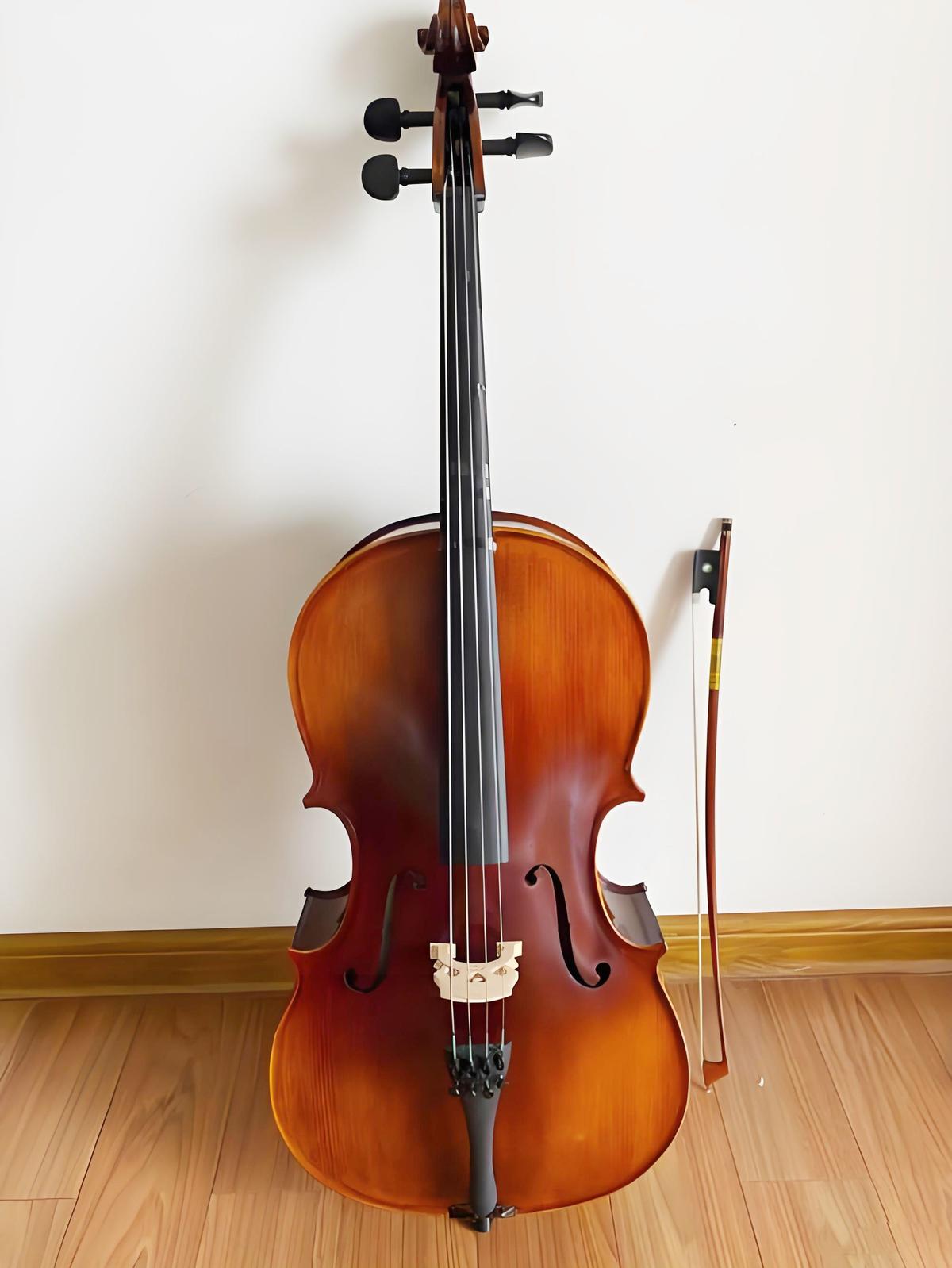 This article is provided by Mansdone Brand Marketing Department!