The Romantic Resonance of the Saxophone
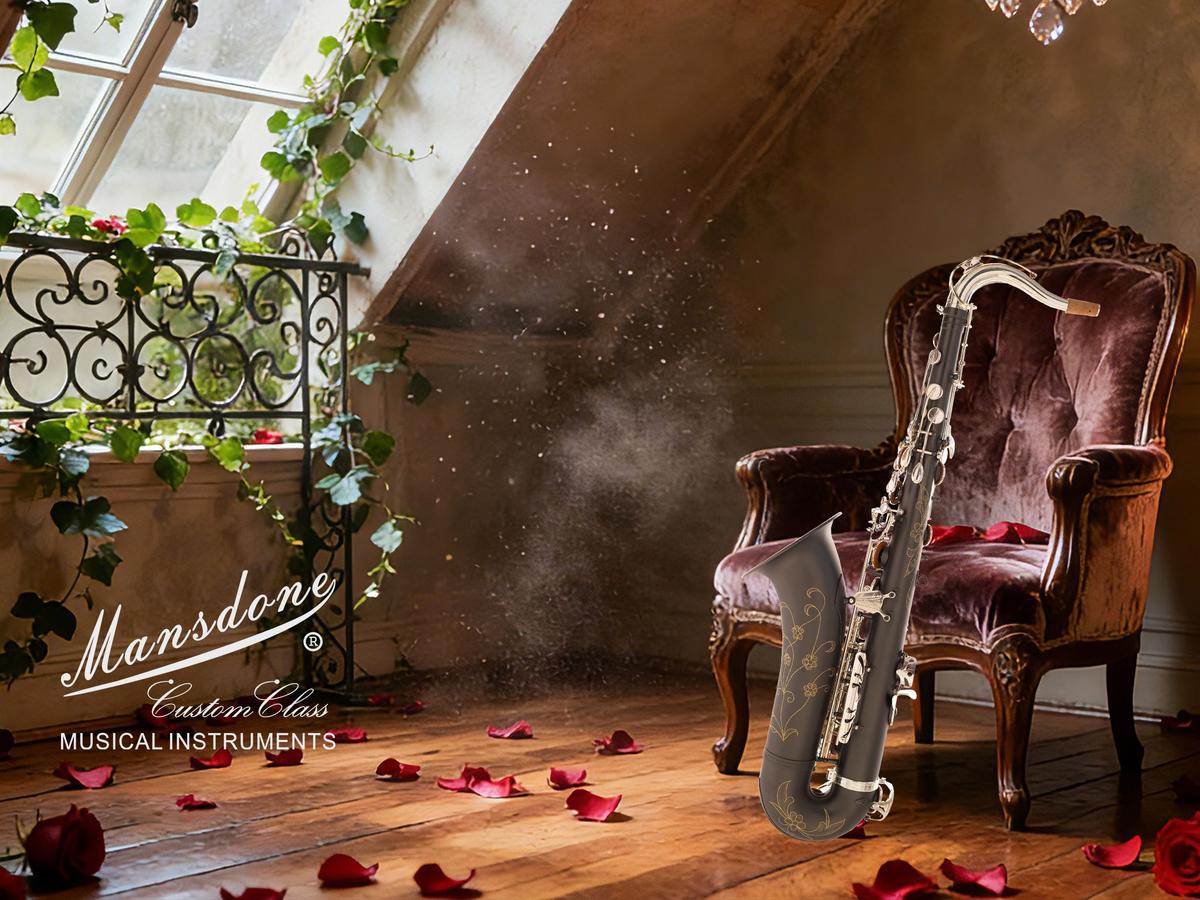 The sound of the saxophone is almost universally recognized as a vessel of romance. It is the soundtrack of dimly lit lounges, rainy city windows, and intimate conversations. This association is not a mere cultural accident but the result of a unique confluence of acoustic properties, historical timing, and deliberate artistic cultivation.
At its core, the saxophone's voice is profoundly human. Invented by Adolphe Sax in the 1840s, it was designed to bridge the gap between the power of brass and the agility of woodwinds. Its conical brass body and single-reed mouthpiece produce a tone rich in complex harmonics and a wide vibrato. This results in a sound that closely mimics the emotional textures of the human voice—its warmth akin to a baritone’s tenderness, its lyrical flow similar to a sigh, and its controlled cry capable of expressing both yearning and joy. Unlike the pure, steady pitch of a flute or the sharp attack of a trumpet, the saxophone’s tone is malleable and “fleshy.” A player can bend notes, slide between them with a sensual glissando, and infuse each phrase with a personal, breathy vibrato that feels like a confidential whisper. This inherent vocal quality creates an immediate, intimate connection with the listener, bypassing intellectual analysis to speak directly to emotion.
Historically, the instrument’s rise to prominence perfectly aligned with the era that defined modern romance. While it found early use in military bands and classical music (like the poignant solo in Bizet’s L’Arlésienne), its true romantic identity was forged in the 20th century. It became the quintessential voice of the blues, giving sound to longing and heartache. Then, in the 1940s and 50s, it became the lead instrument in the golden age of ballad jazz. This is the critical period. In the hands of masters like Lester Young, Ben Webster, and most indelibly, Stan Getz, the saxophone became the sound of late-night introspection. Getz’s performances on tracks like “The Girl from Ipanema” (1963) did not just popularize Bossa Nova; they cemented the tenor sax’s sound as the auditory symbol of sophisticated, breezy, yet melancholic longing. This was the “Cool Jazz” era, where romance was portrayed as smooth, nuanced, and subtly passionate.
Popular culture eagerly adopted and solidified this link. Hollywood recognized the saxophone’s emotional potency. From the foggy, noirish streets of 1940s detective films to the montage of a lonely protagonist gazing at a skyline, a soaring alto or tenor sax line became shorthand for loneliness, desire, and romantic tension. By the 1980s, the power ballad seized upon the instrument. The iconic, sustained sax solos in songs like George Michael’s “Careless Whisper” (1984) or Bruce Springsteen’s “Jungleland” transformed it into the sound of unbridled, dramatic passion for a global pop audience. It became the “love song instrument” par excellence.
Furthermore, the physicality of playing the saxophone contributes to its romantic persona. The instrument is held close to the body, its curves often compared to the human form. The player’s breath is directly translated into sound, making the performance feel like an act of emotional transfusion. Watching a virtuoso like Kenny G (whose smooth jazz dominance in the 80s and 90s, despite critical division, became synonymous with candlelit dinners) or Candy Dulfer deliver a soulful solo is to witness a very physical, impassioned act.
Ultimately, the saxophone’s romantic connection endures because it is authentically expressive. It occupies a singular sonic sweet spot: it is warm but not cloying, passionate but not aggressive, complex but immediately accessible. It carries the legacy of blues sorrow, the cool elegance of jazz balladry, and the dramatic flair of pop. When we hear that smooth, bending melody, we are not just hearing notes; we are hearing the audible shape of a sigh, the sound of a heart swelling, and the voice of intimacy itself. It is a sound that doesn’t just accompany romance; it eloquently speaks its language.
This article is provided by Mansdone Brand Marketing Department!