The Physical Requirements for Playing the Saxophone
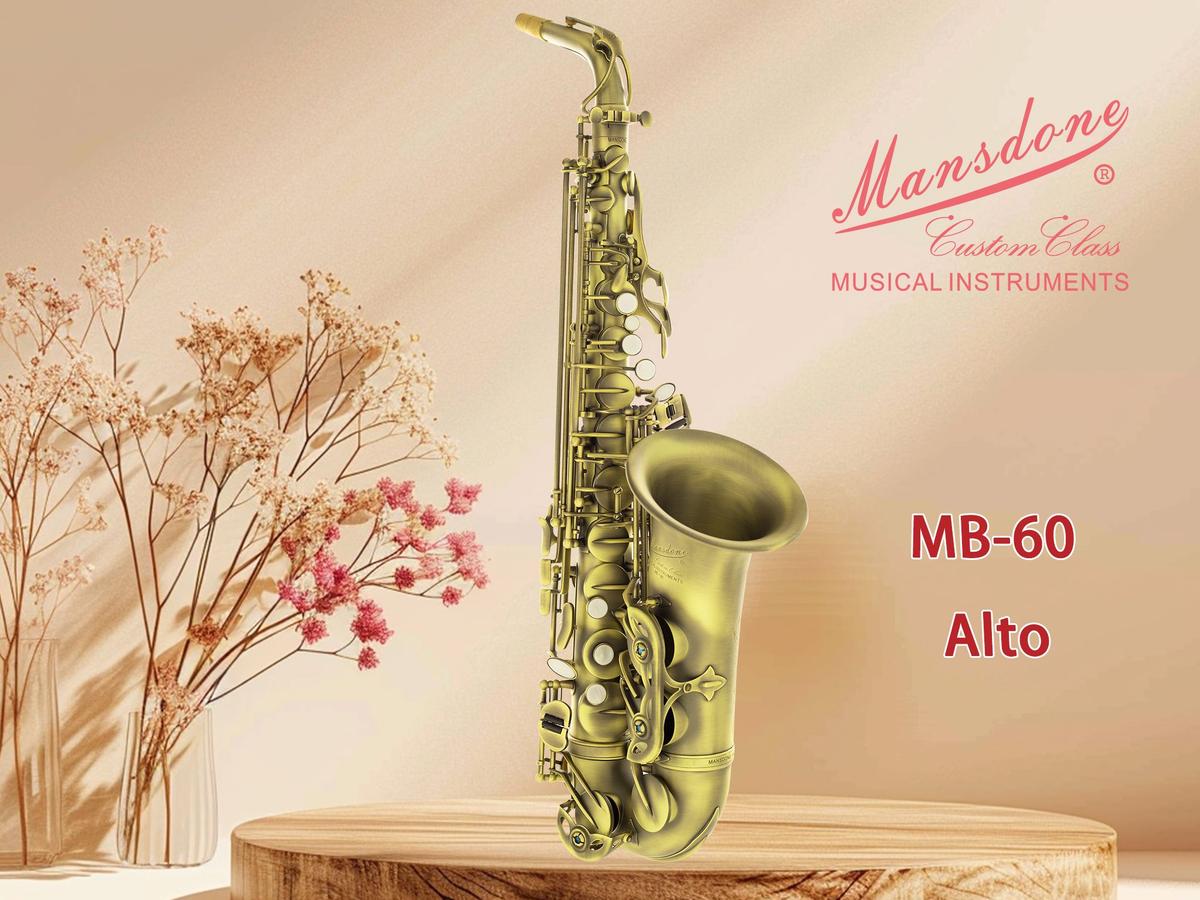
The saxophone, with its expressive voice and prominent role in various music genres, is often considered an accessible instrument for many aspiring musicians. While its physical demands are generally manageable, certain factors can influence a player’s comfort and effectiveness. Based on extensive observation—including decades of experience around bands and saxophonists—the following outlines the key physical considerations for playing the saxophone.
General Physical Capacity
Most individuals with reasonable lung function and functional hands can learn to play the saxophone, particularly the alto sax. The primary exceptions typically involve significant physical limitations, such as the loss of hand mobility due to a stroke, which can compromise the ability to operate the keys. For the vast majority, however, the requirements are not prohibitive.
Respiratory Demand
Adequate breath support is essential. The belief that powerful lungs are a prerequisite is often overstated; if a person can comfortably climb a flight of stairs, they likely possess sufficient breath capacity to produce sound on the saxophone. Regular practice naturally strengthens the respiratory muscles and increases lung control over time.
Manual Dexterity and Hand Size
Finger coordination is crucial for managing the instrument’s key system. Individuals who can touch-type generally have the fine motor skills needed for saxophone fingering. Hand size, however, can be a factor—especially for young children, whose hands may be too small to comfortably reach all keys. For adults, hand size is rarely an issue on the alto or tenor saxophones, though some adjustments may be needed for those with particularly small or large hands.
Facial Muscles and Dental Considerations
The embouchure—the way the mouth shapes around the mouthpiece—relies on facial muscle strength and control. Beginners often experience fatigue, but these muscles strengthen with consistent practice. Dental configuration can also play a role; significant overbites, underbites, or missing teeth may require adaptation. Notably, many saxophonists successfully play with dentures, demonstrating that dental differences need not be a barrier.
Posture and Physical Support
Proper posture, whether sitting or standing, is important for breath control and avoiding strain. The instrument’s weight and size become more relevant with larger models. While an alto saxophone is lightweight and manageable for most—including smaller or older individuals—the tenor and especially the baritone saxophone present greater physical demands. The baritone sax is approximately twice the size and weight of an alto, requiring sufficient strength to carry and support it. Individuals with back, neck, or shoulder issues may find larger saxophones challenging both in performance and transport.
Additional Practical Considerations
Vision correction can pose an unexpected hurdle: some players struggle to find eyeglasses that allow them to read sheet music comfortably while maintaining proper posture and instrument alignment. This practical detail is often overlooked but can affect playing ease.
In summary, the saxophone is an inclusive instrument adaptable to a wide range of physical attributes. The alto saxophone, in particular, is accessible to most people with basic mobility and coordination. Larger saxophones require greater physical strength and stamina, not only for playing but also for handling and transport. As with any physical skill, individual adjustments and consistent practice are key to overcoming minor limitations, allowing the vast majority of interested learners to enjoy making music with this versatile instrument.
This article is provided by Mansdone Brand Marketing Department!