Should You Wear Earplugs When Practicing Saxophone
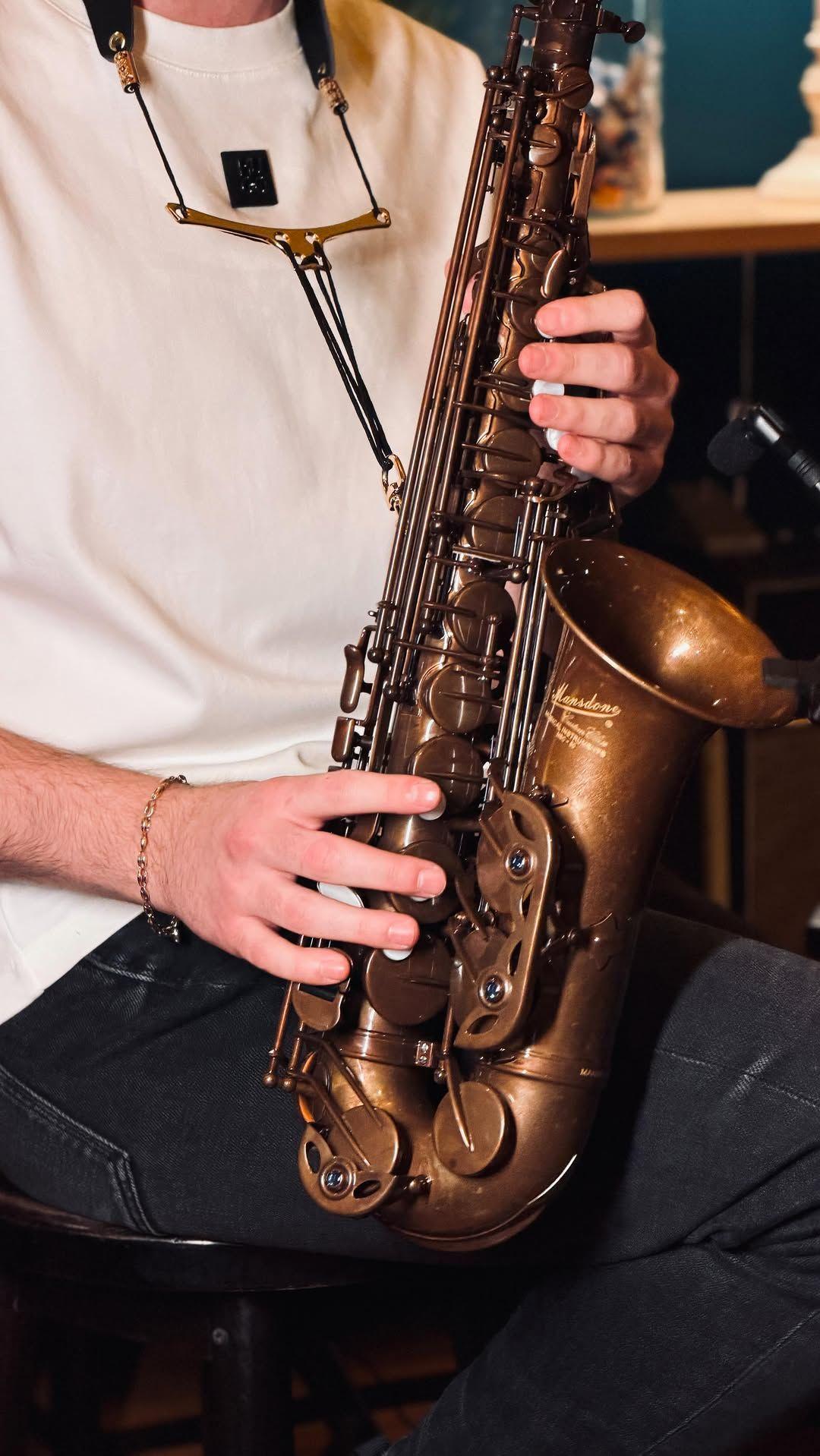 The saxophone is a powerful and dynamic instrument capable of producing impressive volume levels. However, due to its design and the player’s proximity to the instrument, the full force of the sound is not always perceived by the player as it would be by someone standing in front of it. This raises an important question: should saxophonists wear earplugs during practice?
The short answer is: it depends. There is no universal “should” or “should not” when it comes to hearing protection for saxophonists. The decision should be based on your personal comfort, practice environment, and the specific demands of your playing.
Why Consider Earplugs?
Saxophones, particularly alto and tenor models, can reach sound pressure levels that may risk hearing damage over time, especially in small or reflective rooms. Prolonged exposure to high volumes—even those you might not perceive as excessively loud—can contribute to gradual hearing loss or tinnitus. If you find yourself feeling fatigued after practice, noticing ringing in your ears, or practicing for extended periods in a confined space, earplugs are a wise precaution.
When Might You Skip Earplugs?
There are legitimate scenarios where wearing earplugs might hinder your practice:
- Working on quiet passages or subtone techniques, where you need to carefully monitor delicate nuances and air support.
- Playing in a large, acoustically treated space with sufficient sound absorption.
- Rehearsing with a full band or ensemble, where balancing with other musicians requires hearing the full frequency spectrum naturally.
- During recording sessions or performances where precise auditory feedback is critical (though in loud ensemble settings, some performers still opt for subtle protection).
The Critical Choice: Musician’s Earplugs
If you do choose to wear earplugs, avoid standard foam or industrial earplugs. These are designed to block sound indiscriminately, often muffling high frequencies and distorting the natural timbre of your instrument. This can make it difficult to hear pitch, tone quality, and dynamics accurately, leading to an unnatural “underwater” or “boxy” sound experience.
Instead, invest in high-fidelity musician’s earplugs. These are engineered to reduce volume evenly across frequencies, much like turning down a volume knob. They preserve the clarity and balance of the sound while protecting your ears, allowing you to play and listen authentically. Many models offer interchangeable filters for different levels of attenuation (e.g., 9dB, 15dB, 25dB), giving you flexibility depending on the playing situation.
Final Recommendation
Listen to your body and your environment. If your practice space is small, your sessions are long, or your ears feel strained, don’t hesitate to use protection. Your hearing is irreplaceable. On the other hand, there will be times when you need the pure, unmediated sound of your instrument to refine your artistry.
Ultimately, the goal is to practice safely without sacrificing the integrity of your musical development. By choosing the right gear and adapting to the context, you can ensure both your hearing health and your progress as a saxophonist are well cared for.
This article is provided by Mansdone Brand Marketing Department!