Do Saxophone Players Have Healthy Lungs? A Balanced Look
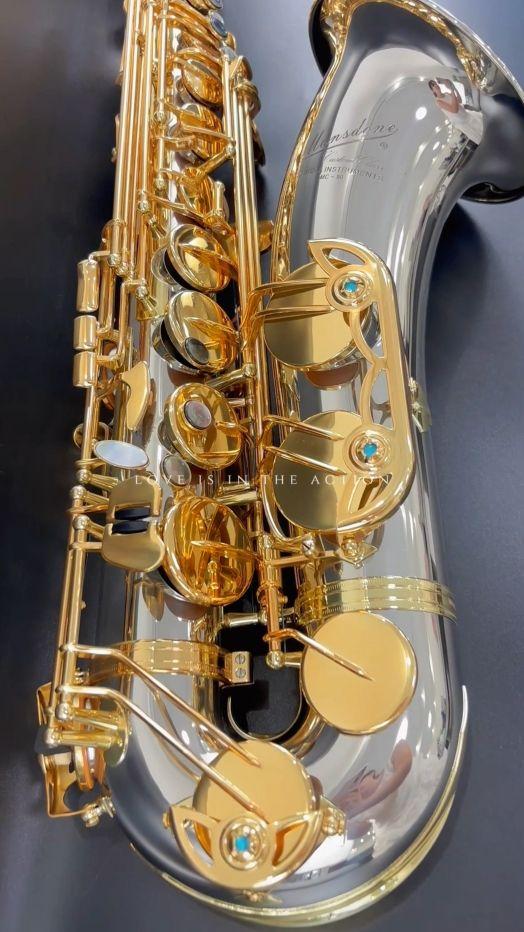
The question of whether saxophone players have healthy lungs is more nuanced than it might initially seem. Based on teaching experience and observations of both historical and contemporary players, the relationship between saxophone playing and lung health is not straightforward. Here’s a closer look at the realities.
Healthy Lungs Are Not a Prerequisite for Playing
Contrary to what some might assume, you don’t need exceptionally healthy lungs to play the saxophone. Beginners who are physically fit—such as avid cyclists or athletes—often produce a strong, clear tone early on, likely due to their developed breath capacity. However, experienced players can often produce more powerful and controlled sounds regardless of their fitness levels. This is because efficient technique, such as proper air support and embouchure control, matters more than raw lung strength. As one teacher notes, "I can outblow them because although I’m less fit, I can use my air more efficiently."
Historically, many legendary saxophonists from the mid-20th century were known for unhealthy lifestyles, including smoking, excessive drinking and so on. Yet, they still produced iconic sounds. This underscores that while healthy lungs may help, they are not essential for achieving musical excellence. That said, maintaining a healthy lifestyle is always advisable for overall well-being.
Playing the Saxophone Does Not Significantly Improve Fitness
Some might wonder if playing the saxophone acts as a form of exercise for the lungs. In practice, it does not notably improve aerobic fitness. While a long performance—like a four-hour big band gig—can be physically tiring, the fatigue is more about posture, muscle engagement, and mental focus than cardiovascular exertion. As described, "I feel tired at the end, but not in a post-workout way."
In fact, according to pedagogical approaches like the Joe Allard school, playing should feel "as effortless as breathing." If blowing into the instrument requires strenuous effort, it may indicate issues with technique or equipment, such as an inefficient reed or mouthpiece setup. Overexertion can detract from musical quality and cause unnecessary strain.
Key Takeaways
- Technique Trumps Lung Capacity: Efficient air use and proper technique are far more important for saxophonists than having exceptionally healthy lungs.
- No Direct Fitness Benefits: Playing the saxophone is not a substitute for physical exercise and does not significantly enhance lung fitness.
- Historical Context: Many celebrated players thrived despite unhealthy habits, though this is not a recommendation to follow their example.
- Focus on Efficiency: If playing feels overly taxing, consider adjusting your setup or seeking guidance to improve your airflow management.
In summary, while healthy lungs can be an advantage for saxophonists, they are not a requirement for success. Mastery of the instrument depends largely on skill, practice, and efficient breathing techniques rather than innate physical fitness. Whether you’re a beginner or a seasoned player, focusing on these elements will benefit your music far more than relying on lung strength alone.
Note: This perspective is based on teaching experiences and observations within the saxophone community. Individual experiences may vary, and maintaining a healthy lifestyle is always encouraged for overall well-being.
This article is provided by Mansdone Brand Marketing Department!