Size and Scale: Comparing the Alto Saxophone to Its Musical Family
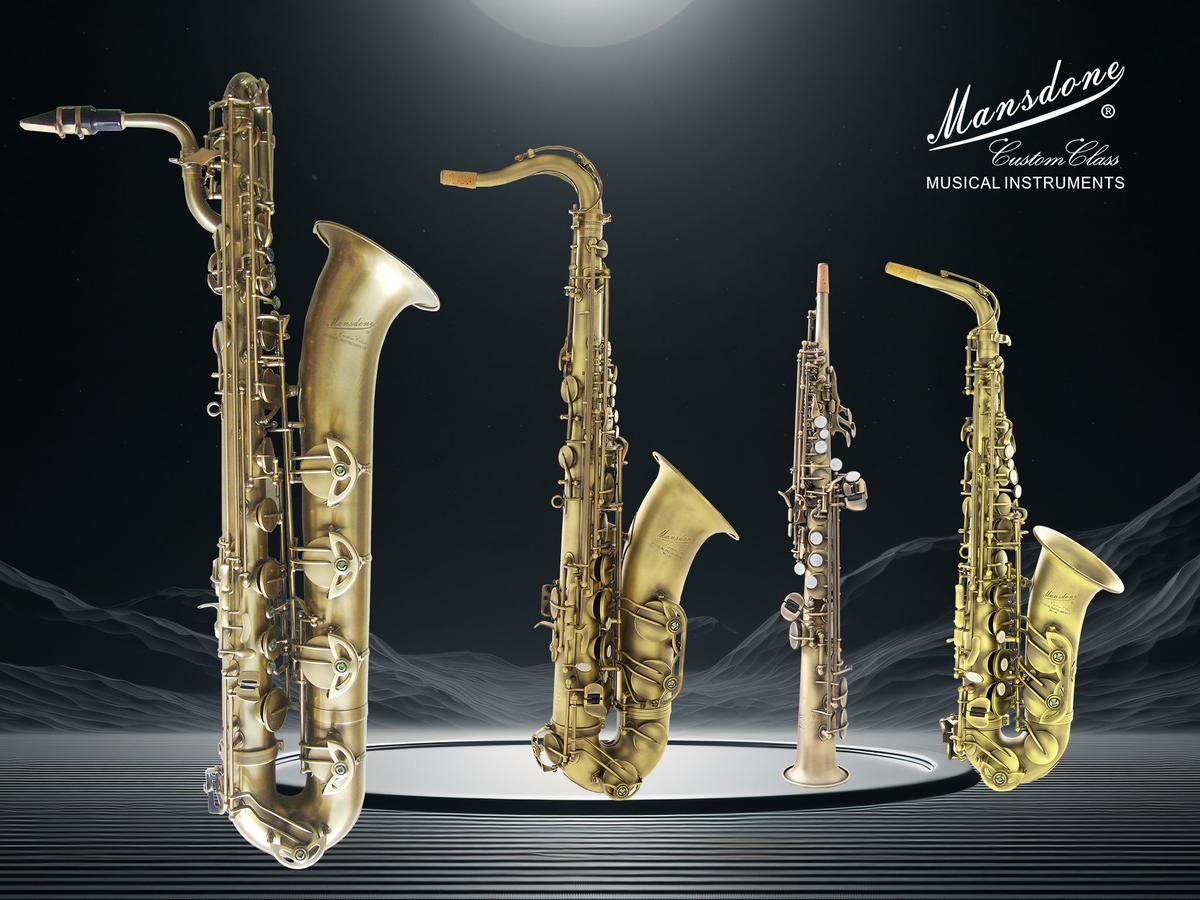 The saxophone family, invented by Adolphe Sax in the 1840s, is renowned for its wide range of voices, from the soaring soprano to the rumbling bass. A key factor defining each member's unique sound and role is its physical dimensions. Among them, the alto saxophone is the most common entry point for musicians and serves as the quintessential middle voice. Understanding its size relative to other saxophones clarifies both its musical function and its enduring popularity.
The Alto Saxophone: The Central Benchmark
The alto saxophone is pitched in the key of E♭. Its total length, measured from the top of the neck to the tip of the bell, is approximately 65-70 centimeters (about 26 inches). When placed in its case, it is a manageable, portable instrument, which contributes to its widespread use in school bands. Its reed size and mouthpiece dimensions offer a balance between resistance and flexibility, making it an ideal instrument for developing embouchure and breath control.
Comparative Lengths Across the Saxophone Family
-
Soprano Saxophone: Typically pitched in B♭, the soprano is the smallest common saxophone. It is usually straight (like a clarinet) and measures roughly 65 centimeters (26 inches) in length. Interestingly, while its straight tube length is similar to the alto's coiled length, its bore diameter is significantly narrower, resulting in its characteristic bright, piercing tone. The curved soprano variant is slightly more compact.
-
Tenor Saxophone: Pitched in B♭, the tenor is larger than the alto. Its tube length extends to about 100-110 centimeters (approximately 40-43 inches) when uncoiled. In its classic curved design, it stands taller and heavier than the alto, with a larger mouthpiece and reed. This increased size produces the rich, iconic voice associated with jazz and rock.
-
Baritone Saxophone: The large E♭ baritone (or "bari") sax is a commanding presence. Its tube is nearly 135 centimeters (over 4 feet) long. To make it playable, it incorporates an extra loop near the neck and often a supported bell that points upward. It can stand over 1 meter (40 inches) tall and is considerably heavier, requiring a neck strap or harness for support. Its size yields a powerful, deep, and resonant sound fundamental to concert bands and jazz ensembles.
-
Beyond the Common Types:
- Sopranino (in E♭ or F) is even smaller than the soprano.
- Bass Saxophone (in B♭) is substantially larger than the baritone, with a tube length approaching 2 meters (6.5 feet), resulting in a profound, subterranean tone.
Why Size Matters: Acoustical and Practical Implications
The differences in length are not merely physical; they are directly tied to acoustics. A longer tube produces lower fundamental pitches and requires more air to fill, resulting in a darker, broader timbre. Conversely, a shorter tube yields higher pitches and a brighter sound. This is why the alto saxophone, with its moderate size, occupies the sweet spot: it is agile enough for intricate melodies and passages, yet possesses enough body and warmth for expressive, lyrical playing.
From a practical standpoint, the alto’s size makes it the most ergonomic for a wide range of body types, particularly for younger students. Its key spacing is comfortable, and its weight (usually 2-3 kg or 4.5-6.5 lbs) is manageable. The tenor and baritone, while playable by most, demand greater lung capacity and physical strength.
Conclusion
In summary, the alto saxophone's length of about 65-70 cm positions it as the central, medium-sized instrument in the saxophone family. It is notably shorter and more compact than the tenor (~100-110 cm) and significantly smaller than the baritone (~135 cm), while being similar in coiled length but different in bore from the straight soprano. This deliberate design by Adolphe Sax created an instrument that is both technically accessible and musically versatile, bridging the gap between the soaring soprano and the robust tenor. Its balanced proportions are the physical reason for its iconic voice—a voice that has made it a cornerstone of genres from classical and military bands to jazz and contemporary pop.
This article is provided by Mansdone Brand Marketing Department!