The Saxophone in Rock: A Legacy of Roots, Rebellion, and Texture
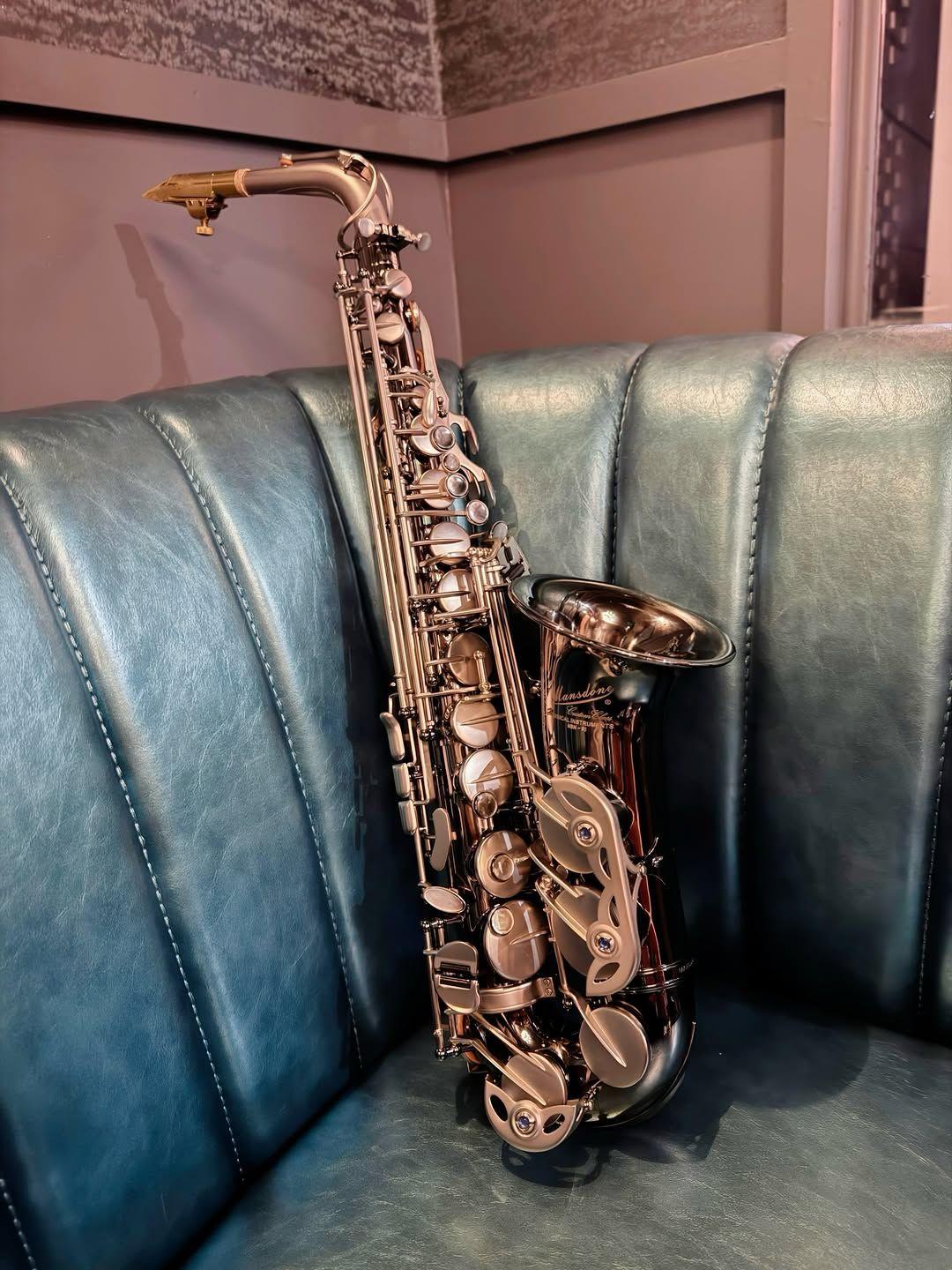
The presence of the saxophone in rock music is not an accident of novelty, but a consequence of the genre’s historical roots and its periodic need for new textures. Contrary to the assumption that rock is guitar-centric by nature, the saxophone was present at the genre’s creation and has been periodically revived to fulfill specific emotional and sonic functions.
Historical Inheritance and R&B Roots Rock and roll did not emerge from a vacuum, but directly from the jump blues and rhythm and blues bands of the 1940s. In this pre-guitar-dominant era, the saxophone was not a secondary addition but a lead voice. As documented in The Cambridge Companion to the Saxophone, pioneers like Illinois Jacquet and Arnett Cobb developed a “Texas tenor” sound characterized by excitement, blues inflections, and extended upper-register wails . When Little Richard’s “Long Tall Sally” featured Lee Allen’s blazing solos, the saxophone was not borrowing from rock; it was defining it . Early rock audiences expected the instrument’s presence, and its subsequent decline in the 1960s was a stylistic shift, not a correction.
Emotional Storytelling and Vocal Substitution Rock is a vocal medium, yet the saxophone’s enduring utility lies in its ability to function as a wordless voice. Bob Seger’s “Turn the Page” provides a precise case study: Alto Reed’s melancholy, haunting line does not accompany the lyrics but replaces them, conveying the exhaustion and isolation of road life without a single sung syllable . Similarly, Clarence Clemons’ tenor sax on Bruce Springsteen’s “Jungleland” operates as a dramatic protagonist, its growl answering Springsteen’s vocal rasp with rebellious vigor . In these instances, the saxophone is selected not for virtuosity but for its unique capacity for simultaneous sweetness and anguish .
Psychedelic and Avant-Garde Expansion Beyond conventional rock, the saxophone has been deployed as a tool for radical sonic departure. The Stooges’ 1970 album Fun House exemplifies this: Steve Mackay’s saxophone begins in honking R&B mode but escalates into the free jazz territory of Albert Ayler, taking the band “into a whole new world” beyond punk’s raw aggression . King Crimson’s “21st Century Schizoid Man” used Ian McDonald’s sax to match Robert Fripp’s guitar riff for “fire and fury,” creating a chaotic fusion of jazz and heavy metal years before such cross-pollination was common . For artists like James Chance and the Contortions, the saxophone was not melodic relief but a dissonant, frantic weapon .
Textural and Atmospheric Color A distinct, non-soloistic function of the saxophone lies in its textural capabilities. Pink Floyd’s Dick Parry on “Money” and “Us and Them” did not compete with David Gilmour’s guitar but added a drifting, blues-tinged haze that became integral to the album’s atmosphere . This is the saxophone as color, not as lead voice—a function distinct from both its R&B origins and its arena-rock showmanship. Similarly, David Bowie’s own saxophone work on “Soul Love” demonstrates how the instrument could be woven into glam rock’s tapestry without disrupting its conventions .
In summary, the saxophone enters rock music through three distinct doors: as a retained genetic memory of the genre’s R&B birth; as a surrogate human voice for narratives too weary or triumphant for words; and as an instrument of controlled chaos capable of shattering conventional song structures. Its presence is never accidental, and its most effective uses are those which recognize what it can express that the electric guitar cannot.
This article is provided by Mansdone Brand Marketing Department!