The Enduring Appeal of the Saxophone: A Contemporary Perspective
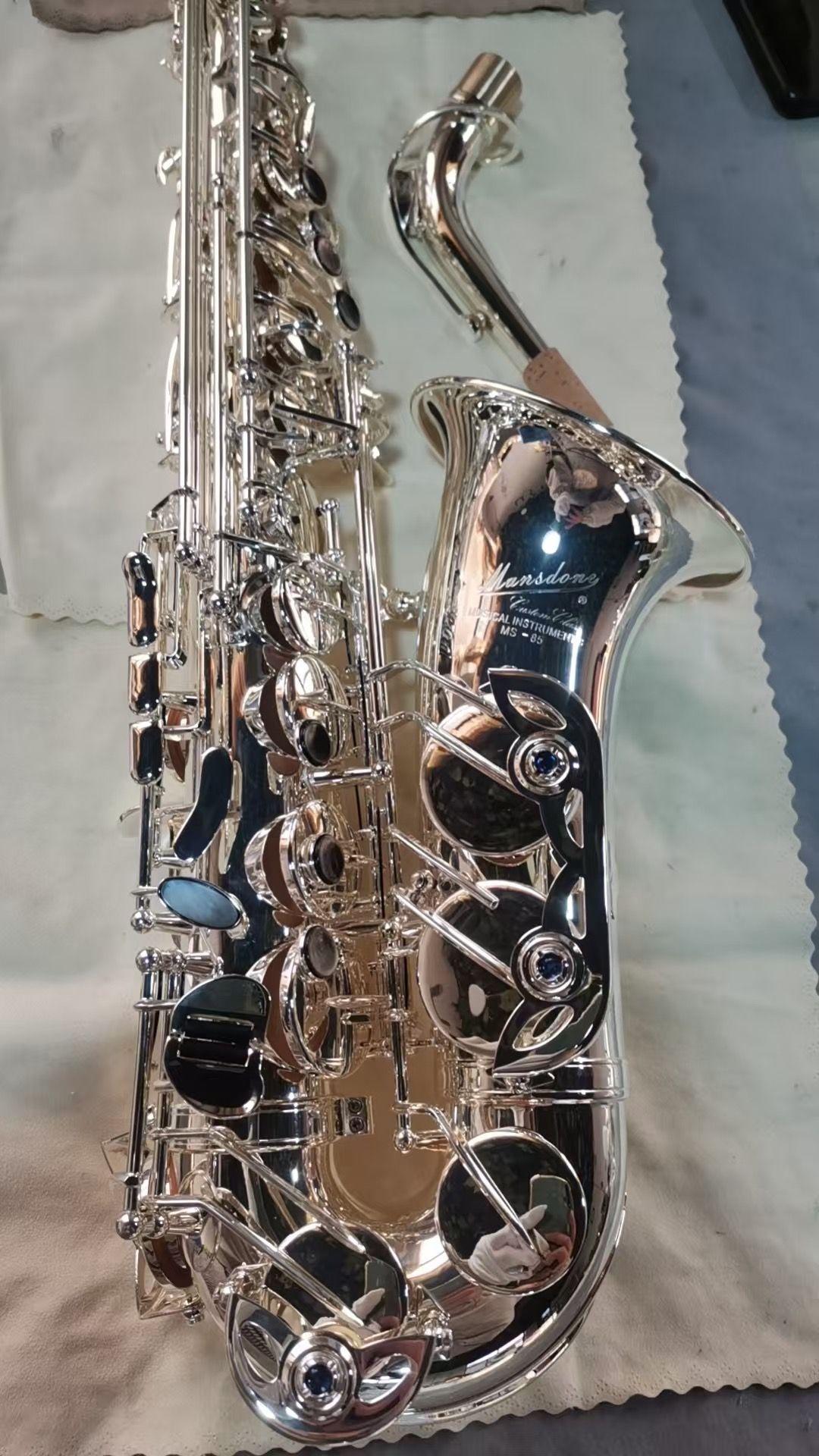
Despite assumptions that the saxophone may have faded from musical relevance, evidence suggests that interest in this distinctive instrument remains strong. Contemporary musicians and educators report sustained enthusiasm for the saxophone across multiple musical contexts, from classical training to popular performance.
The saxophone occupies a unique position in the musical landscape. While it may not rank among the most universally accessible instruments due to cost considerations—quality instruments have historically been prohibitively expensive—recent developments have improved availability. The introduction of affordable student-grade saxophones has lowered barriers to entry, though even these economical options remain comparable in price to professional-level guitars or keyboard controllers.
Cultural factors have contributed significantly to renewed interest in the instrument. The revival of vintage musical styles has exposed new generations to the saxophone's expressive capabilities. Additionally, contemporary music production presents an interesting paradox: while digital sampling has made synthesized saxophone sounds readily available, many recording artists continue to employ live saxophonists, maintaining the instrument's presence in popular consciousness.
In educational settings, the saxophone maintains particular appeal. Music educators observe that students frequently perceive the saxophone as especially desirable, partly because its skills transfer readily to popular music genres—an advantage it shares with drums but not necessarily with instruments like the clarinet. This versatility enhances its attractiveness to beginning musicians.
The experience of adult learners demonstrates the instrument's enduring magnetism. One saxophone instructor reports teaching an adult beginner who commenced lessons in September 2020 and has since demonstrated remarkable enthusiasm and progress. Such stories illustrate that the instrument continues to captivate individuals across age groups.
However, the professional landscape for saxophonists requires adaptability. Industry norms increasingly favor musicians proficient on multiple instruments. The saxophonist who plays exclusively saxophone has become somewhat unusual; most working professionals complement their primary instrument with proficiency on other reed instruments and flutes, thereby expanding employment opportunities.
The trajectory of one musician illustrates this pattern. Having studied violin and piano from childhood while maintaining a long-standing aspiration to play saxophone, this performer finally realized their ambition at age thirty-four. Remarkably, within six months of beginning alto saxophone study, they were performing at concerts and professional engagements—a testament both to their prior musical foundation and the instrument's accessibility to dedicated learners.
Looking forward, questions remain about the saxophone's role in professional music production. Nevertheless, observers note that acoustic instruments continue appearing in popular music, suggesting that as audiences potentially tire of purely electronic production, organic instrumental timbres—including that of the saxophone—may experience renewed appreciation.
The evidence thus supports a clear conclusion: musicians do indeed want to play the saxophone. Its distinctive voice, cultural associations, and versatility ensure that this instrument will continue finding new generations of enthusiasts, even as the contexts for its use continue evolving.
This article is provided by Mansdone Brand Marketing Department!