Between Saxophone and Flute: Which Is Harder to Play to Sound Decent
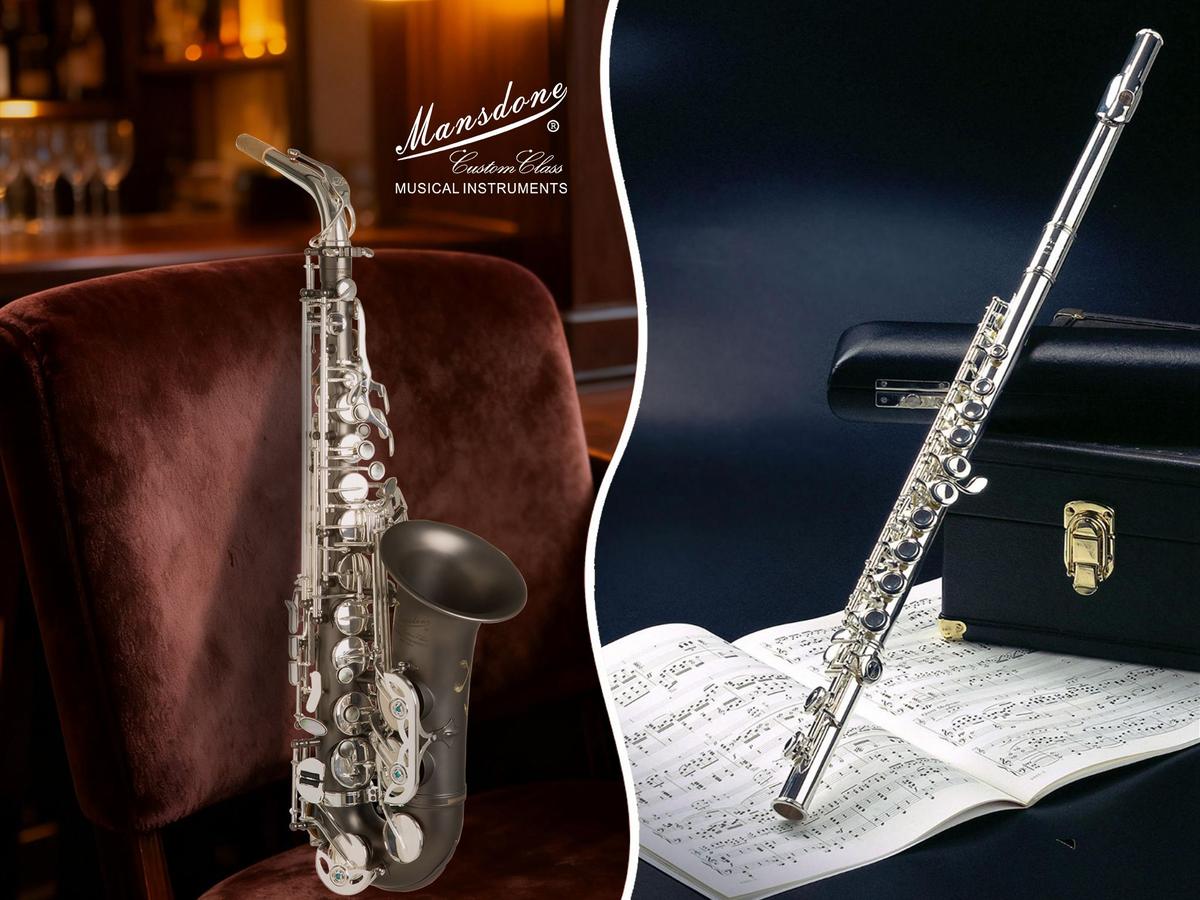 For beginners deciding between saxophone and flute, the question of which is harder to produce a decent sound on has a clear answer backed by music educators and experienced players. While both instruments present unique challenges, the flute typically requires more time and precision to achieve a acceptable tone.
The Initial Sound Barrier
The most significant difference lies in how sound is produced. On saxophone, beginners can often produce a tone within their first few practice sessions. The reed does much of the vibrational work, and while the sound may be rough, getting some note out is relatively achievable .
The flute, however, is notoriously difficult in the beginning. There is no reed to rely on—the player must shape their embouchure precisely to split the air across the blowhole. Many students spend weeks unable to produce any sound at all. Some music programs even warn that "this is the most difficult instrument to start on in beginning band" . The embouchure requires finding an exact air direction and speed, making the initial phase genuinely frustrating .
Physical Demands and Embouchure
The physical approach to each instrument also affects how quickly one can sound decent.
Saxophone demands breath support and proper embouchure, but the mouth surrounds a large mouthpiece, giving the player more tactile feedback. The challenge is managing the reed—keeping it wet, positioned correctly, and free from damage . Beginners also contend with the instrument's weight, though this doesn't directly impact tone quality .
Flute playing requires holding the instrument asymmetrically with arms elevated, which can cause postural strain . More critically, the embouchure is extremely delicate—slight changes in lip position or air speed completely alter the sound. As one experienced player noted, mastering flute is "like grabbing hold of two greased up ferrets," capturing the elusiveness of consistent tone production .
Timeframe to Decent Sound
Most saxophonists reach a "passable" sound within months of regular practice, though developing true tonal beauty takes about two years . The instrument is mechanically forgiving—once the embouchure stabilises, notes speak relatively easily across registers.
Flute players typically need longer to simply produce consistent tone across all octaves. The third octave remains challenging even for intermediate players, and intonation is notoriously difficult to master . While both instruments require years to master, the flute's steep initial curve means "sounding decent" takes more time from the start.
Conclusion
While neither instrument is "easy," the saxophone offers a gentler path to producing acceptable sound. Beginners can expect to play recognisable notes sooner, with tone improving steadily through practice. The flute demands greater patience—students must persist through a longer period where even basic sound production feels elusive. For those asking which is harder to sound decent on, the flute presents the greater initial challenge.
This article is provided by Mansdone Brand Marketing Department!