Navigating the Transition: Choosing Your First Saxophone as a Bass Clarinet Player
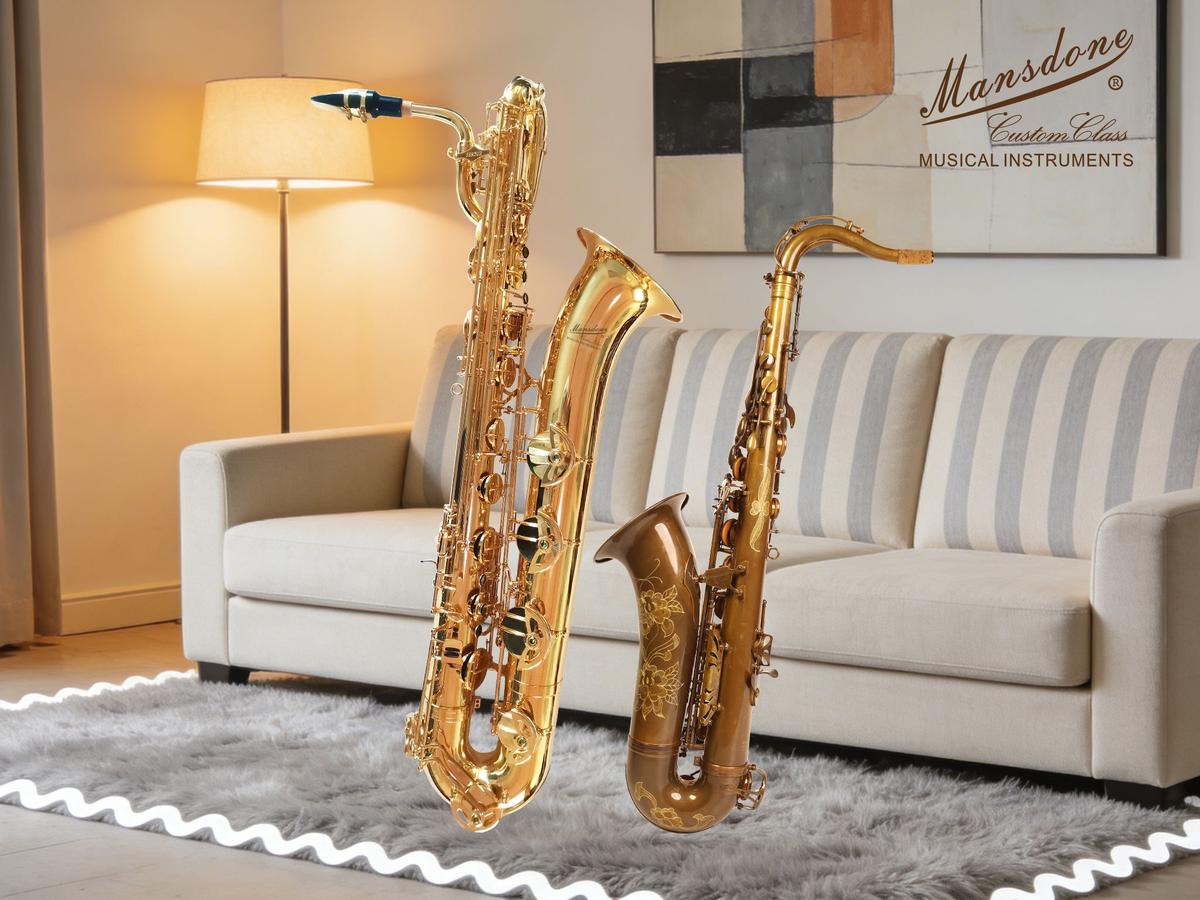
Based on insights from professional doubling practices and the practical experiences of woodwind players, determining the "best" saxophone for a bass clarinetist involves weighing professional requirements against ergonomic and financial practicality. While individual preferences vary, a consensus emerges from the doubling traditions of big bands and the physical realities of the instruments, suggesting that the baritone saxophone and the tenor saxophone are the primary contenders, each serving distinct musical paths.
For a bass clarinetist aiming to integrate their primary instrument into a professional setting—specifically within a big band—the baritone saxophone is the most logical and authentic choice. This recommendation is rooted in the established convention of saxophone "doubling." In professional big band arrangements, the instrumentation is specifically designed so that the baritone saxophone chair doubles on bass clarinet. This means a player proficient on both instruments is highly employable in scenarios where a single musician must cover multiple parts, such as switching from bari sax to bass clarinet for a specific passage or movement. Learning baritone saxophone allows the player to keep the bass clarinet actively "in the loop," fulfilling a direct market need within that genre.
However, from a purely ergonomic and pedagogical standpoint, the transition presents certain challenges. The baritone saxophone requires a wider, more relaxed embouchure and significantly more engaged diaphragmatic support to produce its lowest register effectively. While the sheer size of the bari mouthpiece is comparable to that of a bass clarinet, its larger chamber and the sheer volume of air the instrument consumes can present a steeper learning curve for a beginner.
Conversely, the tenor saxophone is frequently cited as a more accessible and versatile option. While its professional "double" is traditionally clarinet (specifically soprano clarinet), the tenor shares key mechanical similarities with the bass clarinet. Both instruments are typically pitched in Bb, and a bass clarinetist is already accustomed to a "straighter" oral cavity and embouchure approach compared to an Eb clarinet player. This makes the feel of the tenor more immediately familiar than one might assume.
The practical advantages of the tenor are substantial. Tenor saxophones are significantly lighter and easier to transport to gigs than their baritone counterparts. They are also far more common, leading to a robust used market where a quality instrument can be found for $1,000 to $2,000 less than a baritone. For a bass clarinetist simply looking to add saxophone to their palette without the primary goal of playing big band bari parts, the tenor offers a path of least resistance. Its mouthpiece is smaller and generally more forgiving for a beginner to form a sound on, allowing the player to focus on the core differences in voicing and technique between the clarinet family and the saxophone.
In summary, there is no single "best" saxophone, but rather a best fit based on the player's goals. If the objective is to secure a chair in a professional big band while retaining the bass clarinet as a primary tool, the baritone saxophone is the indispensable and correct choice. If the goal is broader—to explore the saxophone family with an instrument that is more affordable, portable, and slightly easier to learn—the tenor saxophone stands out as the most practical and versatile entry point.
This article is provided by Mansdone Brand Marketing Department!