Exploring the Repertoire: Essential Solo Pieces for Baritone Saxophone
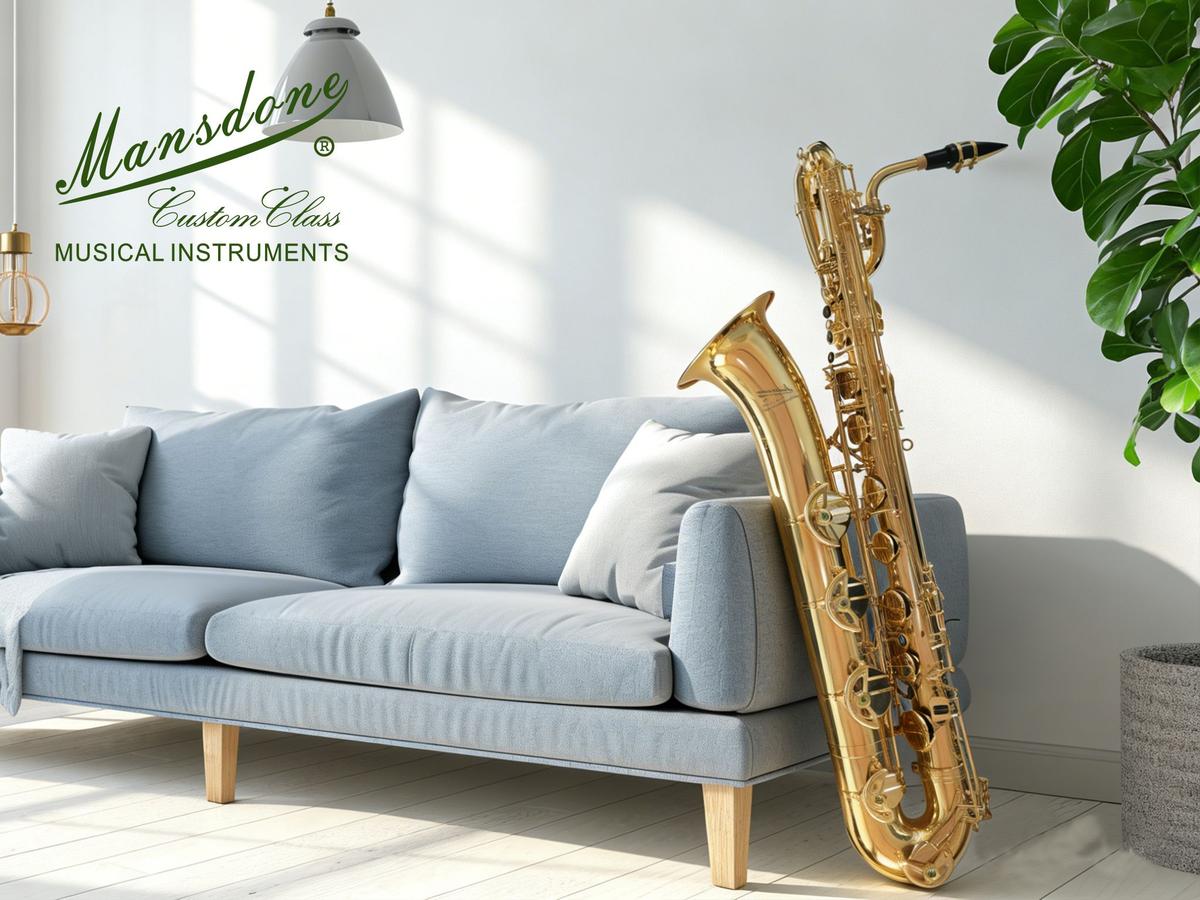
The baritone saxophone, with its rich, commanding voice, is often the foundation of the saxophone section. While its role in jazz and large ensembles is well-known, a growing and sophisticated body of solo literature exists for the instrument. For players looking to expand their horizons, here are several outstanding solo pieces, ranging from show-stopping virtuoso works to profound transcriptions.
1. Rhapsody for Baritone Saxophone by Mark Watters
This is a cornerstone of the modern baritone repertoire. Composed by the Emmy Award-winning arranger Mark Watters, the Rhapsody is a brilliant showpiece that fully exploits the instrument's unique capabilities. It demands incredible technical control and a wide tonal palette. As one insightful listener commented on a performance video, the soloist's mastery allows the bari sax to "sound like a stringed instrument," showcasing its surprising capacity for lyricism and delicate phrasing alongside its powerful, percussive attack. It’s a thrilling work that never fails to impress.
2. Concerto for Baritone Saxophone and String Orchestra by Werner Wolf Glaser
This three-movement concerto by the Swedish composer Werner Wolf Glaser (1910-2006) is a significant addition to the instrument's concertante literature. Written in a neo-classical style, it treats the baritone saxophone as a serious solo voice in dialogue with the strings. The outer movements are rhythmically driven, but the second movement, marked Impetuoso, is often cited as the emotional core of the piece. As noted by many performers, its dramatic intensity and lyrical urgency make it a particularly compelling and memorable movement to explore.
3. Csárdás by Vittorio Monti (arr. for Baritone Saxophone)
Originally composed for violin or mandolin, Monti's famous Csárdás has become a popular encore piece for nearly every instrument, and the baritone saxophone is no exception. This transcription is a true test of a player's versatility. It begins with a slow, melancholic introduction that requires a beautiful, vocal tone, before launching into the frantic, technically demanding fast section (around the 1:40 mark in many recordings). Hearing a baritone sax navigate these rapid-fire passages with agility and character is a delightful and impressive experience, proving the instrument's surprising nimbleness.
4. Anubis and Nout by Gérard Grisey
For the adventurous player interested in contemporary music, Gérard Grisey's Anubis and Nout is an essential work. Grisey was a leading figure in the "spectral" school of composition, and this piece is a profound exploration of the saxophone's sonic potential. Scored for solo baritone sax (or bass saxophone), it is a study in timbre, resonance, and the gradual transformation of sound. It’s a challenging but deeply rewarding piece that treats the instrument not just as a melodic voice, but as a generator of complex acoustic phenomena.
5. Cello Suite No. 1 in G major, BWV 1007 by Johann Sebastian Bach (transcribed)
Transcribing the works of J.S. Bach is a time-honored tradition for instrumentalists seeking to build a foundation of musicianship. The Cello Suites, and particularly the Prelude of the First Suite, translate remarkably well to the baritone saxophone. The instrument's tenor range sits perfectly in the cello's register, and playing Bach forces the saxophonist to focus on pure intonation, voice-leading, and phrasing without the aid of vibrato or modern effects. It is a masterclass in musical fundamentals and a beautiful, serene piece to perform.
6. Lobuk Constrictor by [Composer information needed]
This title suggests a piece likely inspired by the powerful, coiling motion of a constrictor snake, a fitting image for the deep, resonant voice of the baritone saxophone. It would be a wonderful piece to research further. Works with evocative titles often explore extended techniques and programmatic elements, making them exciting additions to a recital program. To ensure accuracy, a performer would want to verify the composer's full name and the piece's origins before programming it.
These pieces represent just a starting point into the rich and varied world of baritone saxophone solo literature. From the dazzling showmanship of Watters to the deep introspection of Bach and Grisey, there is a wealth of music waiting to be discovered by both performers and audiences.
This article is provided by Mansdone Brand Marketing Department!