Alto vs. Tenor Saxophone: A Detailed Comparison of Versatility and Portability
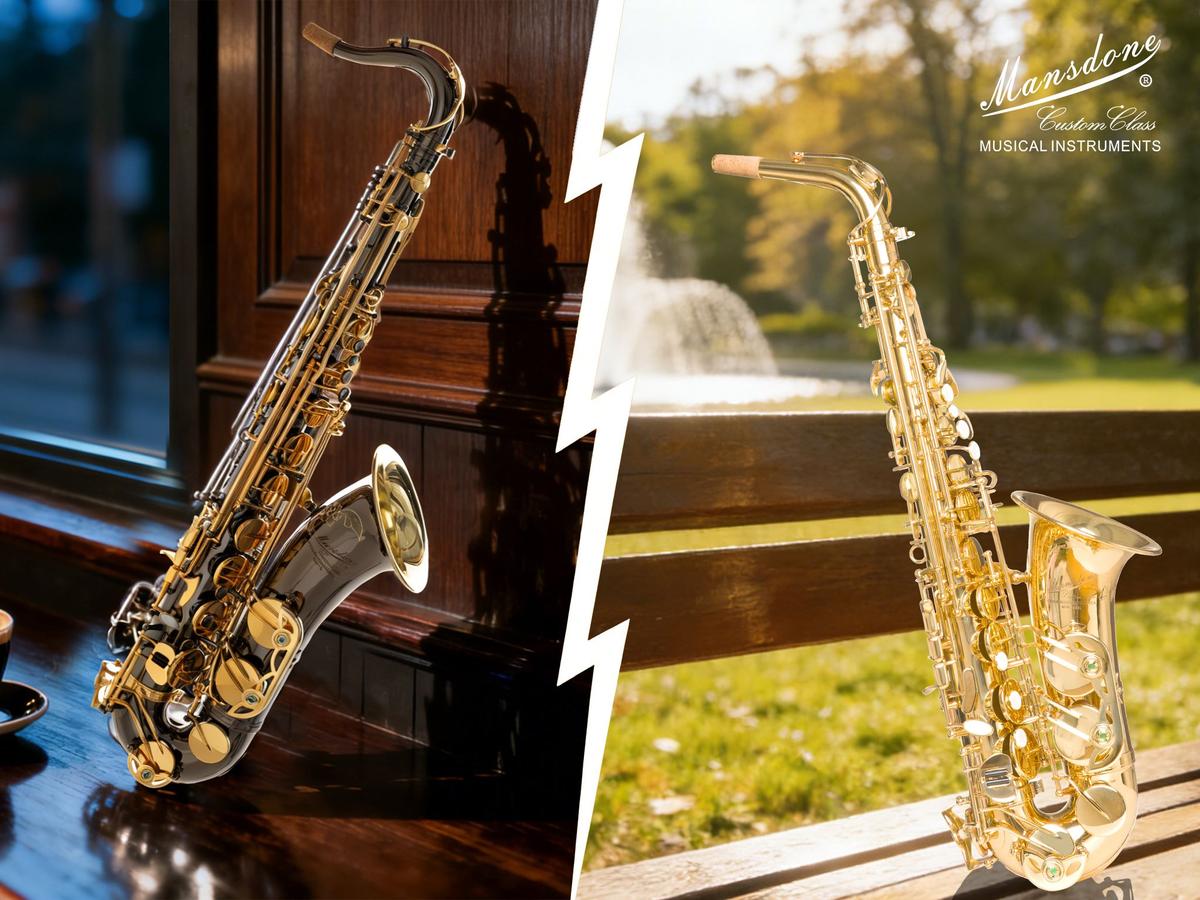
For aspiring saxophonists, the choice between an alto and a tenor saxophone is a foundational decision. While both belong to the same family, they offer distinct characteristics that can shape a player's musical journey. Based on a comprehensive analysis of their roles in various musical genres and practical considerations of mobility, a reliable comparison can be made to guide this important choice.
Versatility Across Musical Genres
When evaluating which instrument is more versatile, the evidence points towards a slight but clear advantage for the tenor saxophone. Its versatility is most apparent in its prominent role across a wider spectrum of popular music.
In the realms of rock, pop, and blues, the tenor saxophone is the dominant voice. Its robust and powerful tone has made it a staple in these genres, with iconic tenor solos far outnumbering those played on the alto. While the alto saxophone has certainly been featured in memorable solos within these styles, the tenor's presence is more consistent and defining.
The balance shifts in jazz, where both instruments are considered equals, each with a rich history and a pantheon of legendary players. However, the scales tip again in classical music, where the smaller and brighter alto saxophone holds a clear advantage. It is the more commonly accepted voice in saxophone classical repertoire. It is important to note, however, that the saxophone as a whole—even after 150 years—remains a secondary instrument in the classical world, a context that slightly diminishes the weight of the alto's dominance in this single genre.
Therefore, considering its strong foothold in the most commercially popular genres, the tenor saxophone can be fairly judged as the more versatile instrument overall.
Mobility and Physical Considerations
From a mobility standpoint, the decision is less about which is more portable in an absolute sense and more about the player's individual physical characteristics. For a normally sized adult, neither the alto nor the tenor presents a significant challenge to carry or handle. Both are designed to be held with a neck strap and are manageable in size.
The differences become relevant for individuals at the physical extremes. Smaller adults and children will almost certainly find the alto saxophone more comfortable. Its smaller size and lighter weight make it easier to handle, reach all the keys, and support during long practice sessions. In contrast, very large or tall individuals might feel cramped playing the alto, finding its compact design awkward. For them, the larger stature of the tenor feels more natural and ergonomic.
Ultimately, the tenor is not so large as to be a hindrance for most people, a distinction that belongs to the much larger and heavier baritone saxophone.
Practical Advantages and Recommendations
Beyond genre and mobility, several practical factors influence the recommendation. A significant advantage of the tenor for the casual musician is its key. Most saxophone parts heard in popular songs and jazz tunes are played on a tenor. Attempting to play these melodies on an alto often requires transposing the notes to a different key, a complex task for a beginner. The tenor's register also allows it to more naturally mimic the male tenor voice, the most common vocal range in popular music, making it ideal for playing along with vocal melodies.
However, the alto has its own compelling advantages. Its smaller size makes it not only lighter but also cheaper to manufacture and purchase. This affordability, combined with its manageable size, is why the alto is the ubiquitous instrument in middle school and high school band programs.
A Legacy of Great Players
The extensive lists of renowned musicians who have championed each instrument further illustrate their distinct voices. The tenor saxophone's legacy is carried by giants like John Coltrane, Sonny Rollins, Stan Getz, and Dexter Gordon. The alto's rich history is defined by innovators such as Charlie Parker, Cannonball Adderley, Paul Desmond, and Maceo Parker.
Conclusion
While the alto saxophone offers undeniable benefits in terms of cost, weight, and its prevalence in school bands, the tenor saxophone holds a slight edge in overall versatility due to its prominent role in rock, pop, and blues. It is the more common voice in the music most people hear daily.
The final recommendation hinges on the player's goals. For someone who dreams of playing the iconic saxophone solos from popular music and jazz, and who is physically comfortable with its size, the tenor saxophone is the more direct and versatile path. For the younger student or anyone prioritizing a lighter, more affordable instrument to begin their musical education, the alto remains an excellent and reliable choice. As one observer noted, having started on the alto in a school band, the desire for a tenor to access a wider range of musical styles is a common and telling sentiment.
This article is provided by Mansdone Brand Marketing Department!