How to Achieve the Best Tone on the Saxophone
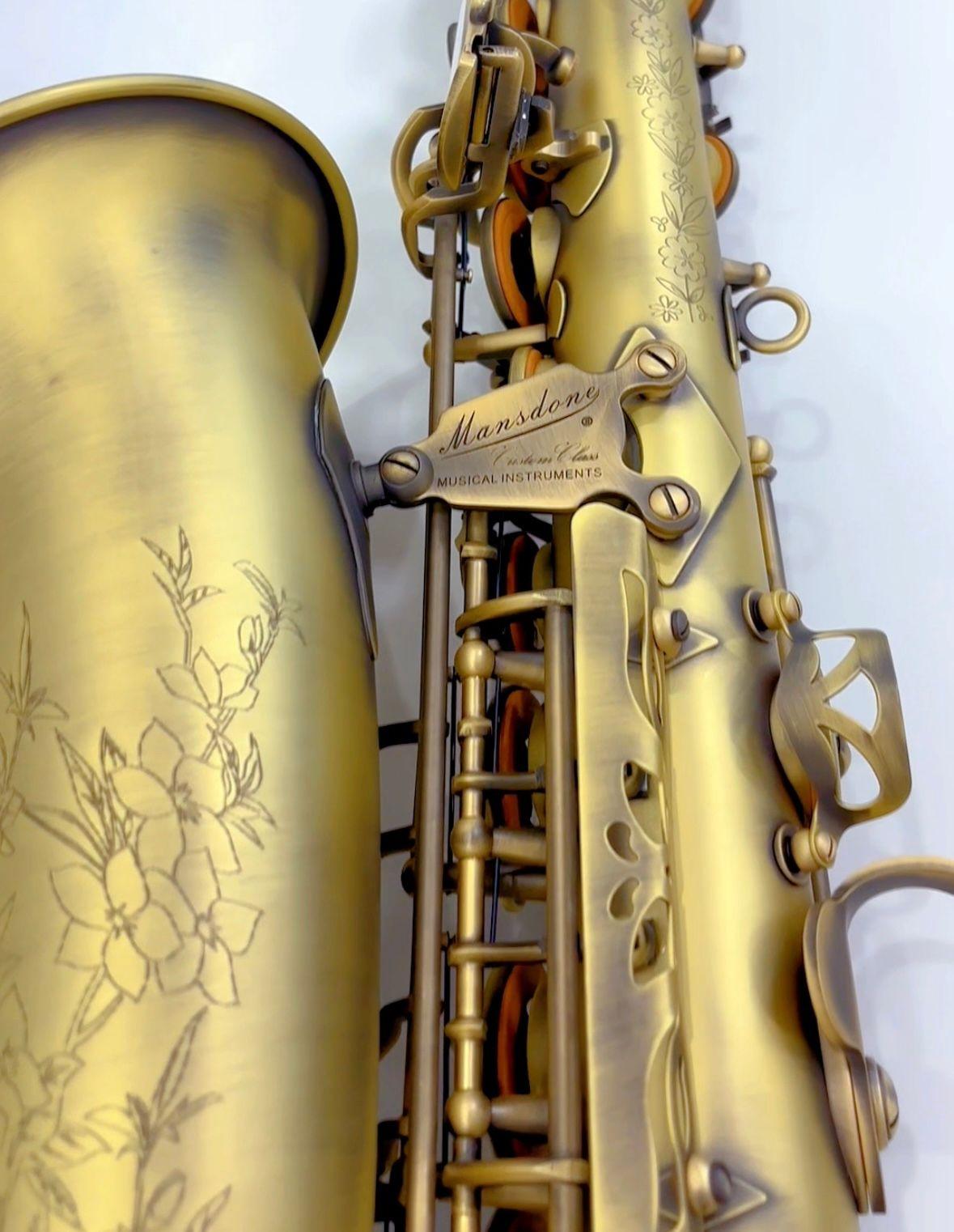 Achieving a great tone on the saxophone is a fundamental goal for any player, whether a beginner or a seasoned professional. While the journey is deeply personal and ongoing, educators and professional musicians agree that it is built on a foundation of specific, reliable principles. According to insights drawn from pedagogical resources and master teachers, developing a superior sound involves emulation, breath control, relaxation, and proper equipment.
Develop an Auditory Model
One of the first steps in tone development is establishing a clear sonic goal. Saxophonists are encouraged to select players whose sound they admire and wish to emulate. By immersing oneself in recordings of these artists, the desired tone becomes an internalized target. Listening and playing along with these musicians helps a student internalize not just the pitch and rhythm, but the subtle inflections and overall color of the sound. This process allows the player to unconsciously integrate these qualities into their own playing, using the recorded artist as a constant reference point.
Master the Airstream
Central to tone production is the management of air. A well-developed airstream requires support from the diaphragm, allowing the air column to do the fundamental work of vibrating the reed. Experts emphasize the importance of maintaining a relaxed embouchure; tension in the mouth or jaw restricts the reed and stifles the sound. When the air is properly supported, the sound becomes fuller and more resonant. For a comprehensive understanding of this, many point to Dave Liebman's book, Developing a Personal Saxophone Sound, which details the teachings of the influential pedagogue Joe Allard. Additionally, exercises focused on overtones, such as those presented by Ben Britton in A Complete Approach to Overtones, are highly regarded for strengthening the airstream and building a rich, centered sound.
Maintain Relaxation Across Registers
A common obstacle for developing players is the tendency to tighten the embouchure when moving into the higher register. To achieve a consistent tone across the entire range of the instrument—from the lowest Bb to the altissimo notes—the player must rely on the airstream and the flexibility of the throat, not lip pressure. The embouchure should remain relaxed and stable while the air speed and direction facilitate the register changes. This approach prevents a thin, pinched sound in the upper register and ensures a smooth, even tone quality throughout the horn.
Ensure Proper Equipment
Finally, the physical tools matter. A player cannot produce a great tone on a saxophone that is not properly regulated. Leaks in the pads or poor adjustment can make consistent sound production nearly impossible. Similarly, the mouthpiece and reed combination must be suited to the player and allow them to access the full range of the instrument without excessive effort. It is important to note that professional-level results do not necessarily require expensive, name-brand horns. History shows many professional players achieving exceptional sounds on student-model instruments, provided the equipment is well-maintained and well-matched to the player.
For those serious about developing their tone, the guidance of a knowledgeable teacher is invaluable. A good instructor can identify technical flaws—such as tension or improper air support—and correct them before they become ingrained habits. In the modern era, even remote lessons with accomplished players are a viable and effective way to receive this feedback. Ultimately, consistent practice of fundamental exercises like long tones and overtones builds the muscular strength and control necessary to translate these principles into a beautiful, personal sound.
This article is provided by Mansdone Brand Marketing Department!