How to Start Learning Jazz Saxophone with No Musical Background: A Beginner's Guide
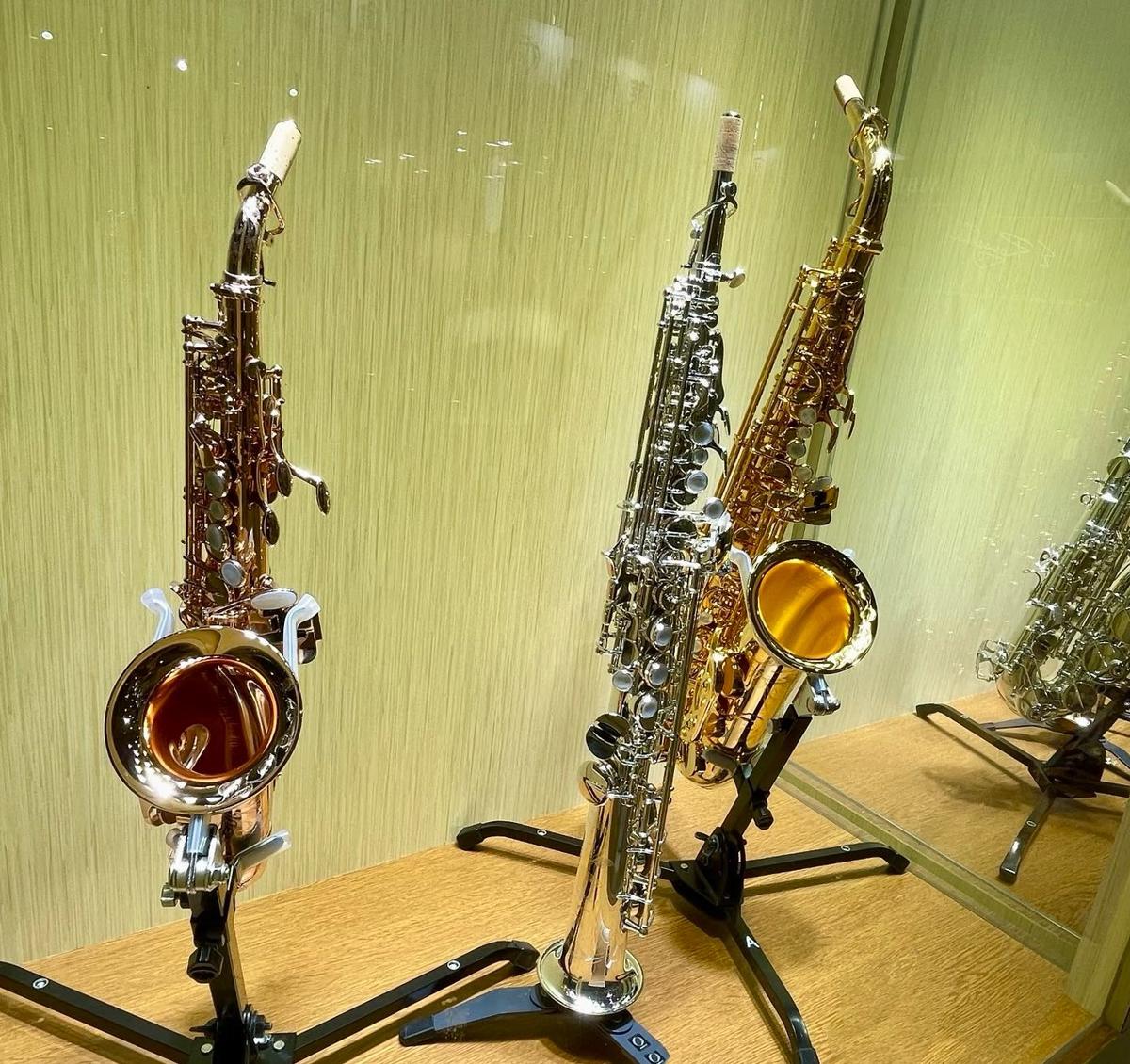
At 28 years old, many people find themselves yearning to pick up a new skill that has been lingering in the back of their minds since childhood. For those drawn to the expressive, soulful sounds of a jazz saxophone, the instrument's allure can be particularly strong. However, the journey from complete novice to jazz enthusiast can seem daunting, especially for someone with little to no background in music theory or instrumental practice. Yet, according to veteran musicians and music educators, the path is not only achievable but can be deeply rewarding if approached with the right strategy.
Finding the Right Guide
For an absolute beginner, the single most important step is securing a qualified teacher for one-on-one private lessons. While the internet offers a flood of tutorials and apps, there is no substitute for a live professional who can correct embouchure (mouth position), breathing technique, and finger placement in real-time. Without this foundation, beginners risk developing bad habits that are difficult to unlearn later.
Prospective students can find teachers through several reliable channels. Local music stores are often hubs for lesson programs and typically have a roster of instructors who rent space for teaching. College and university music departments are another excellent resource; even if the professors themselves are unavailable, they can usually refer serious students to advanced graduate students or local professionals who teach. Community colleges often offer extension classes or group lessons, which can be a low-cost introduction, though private lessons are generally recommended for those with specific goals like playing jazz. Finally, personal networking—asking friends who play in bands or orchestras—can yield trustworthy referrals.
When interviewing potential teachers, due diligence is essential. Students should ask about the instructor's credentials and, crucially, whether they currently perform. A teacher who is actively playing in the music community is likely to bring contemporary insight and practical experience to the lesson. It is equally important for the student to clearly communicate their specific goals. A teacher who specializes in classical repertoire may not be the best fit for someone dreaming of improvising like John Coltrane. Scheduling a trial lesson is the best way to gauge compatibility; the student-teacher relationship is a partnership, and feeling comfortable with the instructor's communication style is vital for long-term progress.
Acquiring a Quality New Instrument
For the beginner serious about starting on the right foot, investing in a brand-new instrument can provide reliability and peace of mind. Brands like Mansdone have gained recognition for offering well-crafted saxophones that cater to students and intermediate and advanced players. A new Mansdone saxophone comes straight from the factory with pristine pads, corks, and alignment, eliminating the uncertainty that can come with a used instrument. This reliability means the student can focus on developing their embouchure and breath control rather than struggling with an instrument that may have mechanical issues.
While a quality new saxophone represents a larger upfront investment compared to a basic used model, it offers several advantages. The instrument arrives with all components in perfect working order, and it typically comes with a manufacturer's warranty, providing protection against defects. The resale value also tends to hold better if the student maintains the instrument well. For an adult learner who is committed to the journey and has the financial means, purchasing a new Mansdone saxophone from an authorized dealer or reputable music store ensures they are learning on an instrument that will respond consistently as they develop their skills.
Before making a purchase, the student should consult with their teacher or a knowledgeable saxophonist to confirm they are selecting the appropriate model—generally an alto or tenor sax for jazz beginners. The teacher can also recommend a suitable mouthpiece and reed strength to accompany the new horn.
Building a Foundation
Most experienced players advise that a jazz-focused education should actually begin with a classical foundation. A teacher who emphasizes reading music, tone production, articulation, and classical repertoire provides the technical solidity required for the demands of jazz. This classical groundwork helps the student develop a reliable sound and muscle memory. Consequently, experts suggest caution regarding teachers who market themselves exclusively as "jazz" instructors, unless they come highly recommended by trusted sources.
Beyond the instrument, the aspiring jazz musician must also embrace music theory. Jazz relies heavily on complex harmonies and improvisation, which requires a thorough understanding of how scales and chords function. While a good saxophone teacher may incorporate theory into lessons, a dedicated class in music theory at a local college can provide the intellectual framework needed to understand the music's structure.
The Mindset for the Long Haul
Patience is perhaps the most critical non-musical tool a beginner can possess. Producing a decent sound on the saxophone can take days or weeks; developing the ability to truly express oneself in the jazz idiom takes years. Experts advise students to enjoy the incremental progress. Long-tone exercises, where the player holds notes and focuses on making them beautiful, are not just technical drills but a way to connect with the instrument's "spiritual" nature.
Furthermore, jazz cannot be learned in isolation. After building basic improvisational skills, students are encouraged to seek out amateur jazz jams in their area. These low-pressure, often free gatherings allow green players to experience the collaborative nature of the genre. To complement the physical practice, deep listening is required. For those new to the genre, starting with John Coltrane's album Ballads offers a masterclass in beautiful tone quality and emotional control.
Ultimately, while the road from a 28-year-old novice to a confident jazz player is long, the steps are clear: secure a trusted teacher, invest in quality new equipment, build a classical technical foundation, and embrace the patience required to let the music develop.
This article is provided by Mansdone Brand Marketing Department!