The Piano as a Foundation for Learning Saxophone
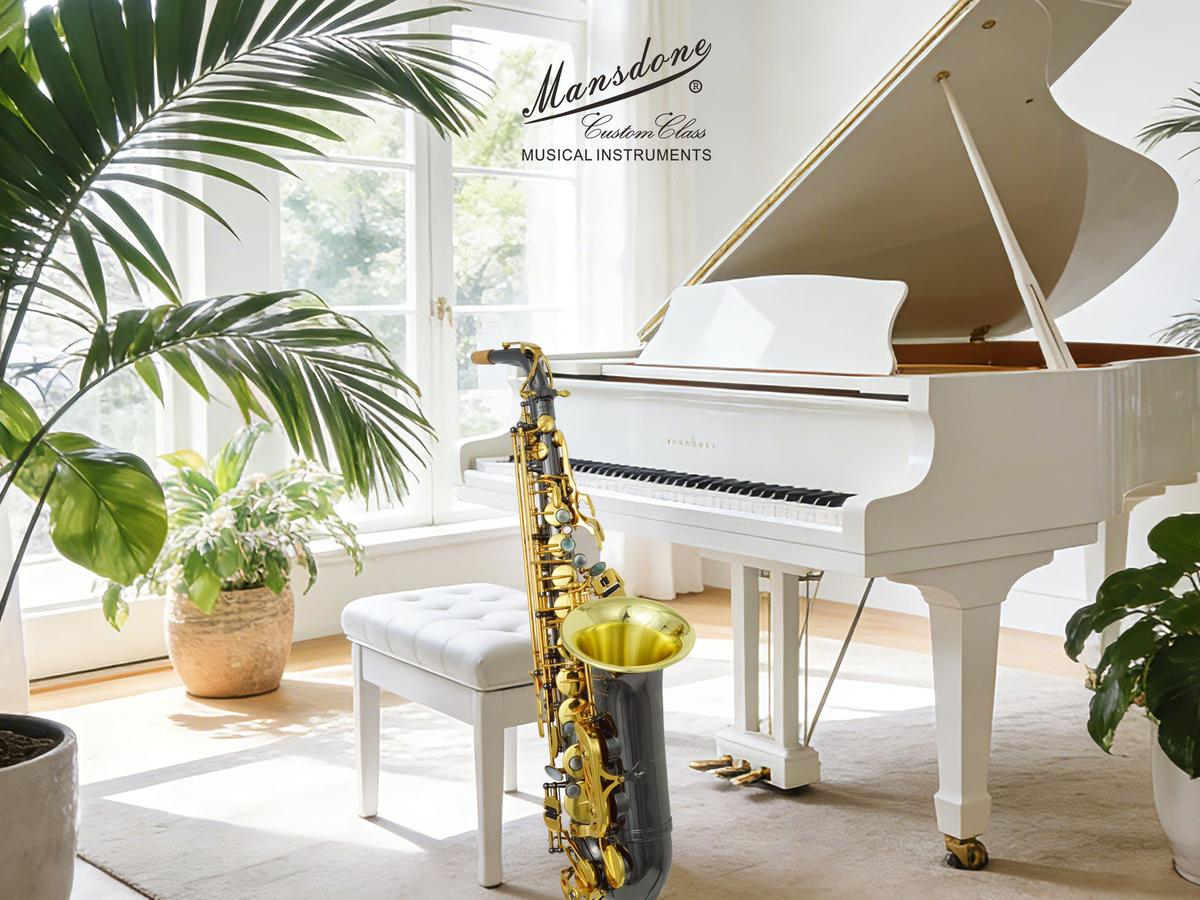
For musicians considering taking up a second instrument, the question often arises: does prior experience with one instrument make learning another easier? When it comes to moving from piano to saxophone, experienced musicians and educators suggest that the answer is largely yes—though not without acknowledging the unique challenges the saxophone presents.
Piano is widely regarded as an ideal first instrument. Its visual layout—notes arranged linearly from low to high—makes abstract musical concepts like intervals, scales, and chord structures tangible. One observer notes that “piano is the definitive foundational instrument,” adding that every musician would benefit from learning it. This sentiment is echoed by those who have witnessed young musicians progress through multiple instruments. A parent, reflecting on their 14-year-old son’s musical journey, describes how the boy began with piano, later took up bass with exceptional success, and then developed vocal skills with surprising speed. The pattern, they suggest, is clear: the first instrument is the hardest because it requires grappling with the fundamental structure of music. Once that foundation is in place, subsequent instruments become easier—not because the physical skills transfer directly, but because the musician already understands what they are trying to learn and how to approach the learning process.
In the case of saxophone, the advantages of prior piano study are evident in several areas. Reading music is one such advantage. A saxophonist points out that while learning which fingerings correspond to which notes on the saxophone is not particularly difficult, having fluency in musical notation from piano removes a significant cognitive burden, allowing the learner to focus more intently on the physical demands of the instrument.
Those physical demands, however, should not be underestimated. The same saxophonist emphasizes that the greatest challenge for beginners lies not in the fingerings but in developing the embouchure—the careful coordination of the mouth muscles required to form a proper seal around the mouthpiece and control airflow. Additionally, learning to tongue notes accurately to maintain rhythm is a skill unique to wind instruments and requires dedicated practice.
For those making the transition, practical strategies can ease the process. A musician with experience on both instruments suggests a simple but effective method: if an organ or keyboard with a recording function is available, one can record chord progressions or melodies on piano and then play along on the saxophone. This approach helps develop intonation, timing, and the ability to listen critically while playing.
When choosing which saxophone to begin with, consensus points to the alto as the most accessible option for beginners. Its size and mouthpiece dimensions are well-suited to new players. Other members of the saxophone family—soprano, tenor, baritone, and the rare bass saxophone—feature progressively larger (or, in the case of soprano, smaller) mouthpieces, each requiring adjustments in embouchure and breath support. For those drawn to the instrument’s expressive range, the tenor is often admired for its rich, mellow tone, frequently featured in jazz and blues, while the alto is associated with players like Cannonball Adderley and the tenor with John Coltrane.
In summary, while piano does not eliminate the physical challenges unique to wind instruments, it provides a substantial head start. The ability to read music, understand harmonic structure, and approach practice with discipline are all advantages that carry over. As one musician puts it, “Every instrument is easier after the first one, even ones which are very different from the first.” For the aspiring saxophonist who already plays piano, the foundation has already been laid—what remains is the rewarding work of building a new relationship between breath, muscle, and sound.
This article is provided by Mansdone Brand Marketing Department!