Beyond Jazz: The Saxophone Across Genres
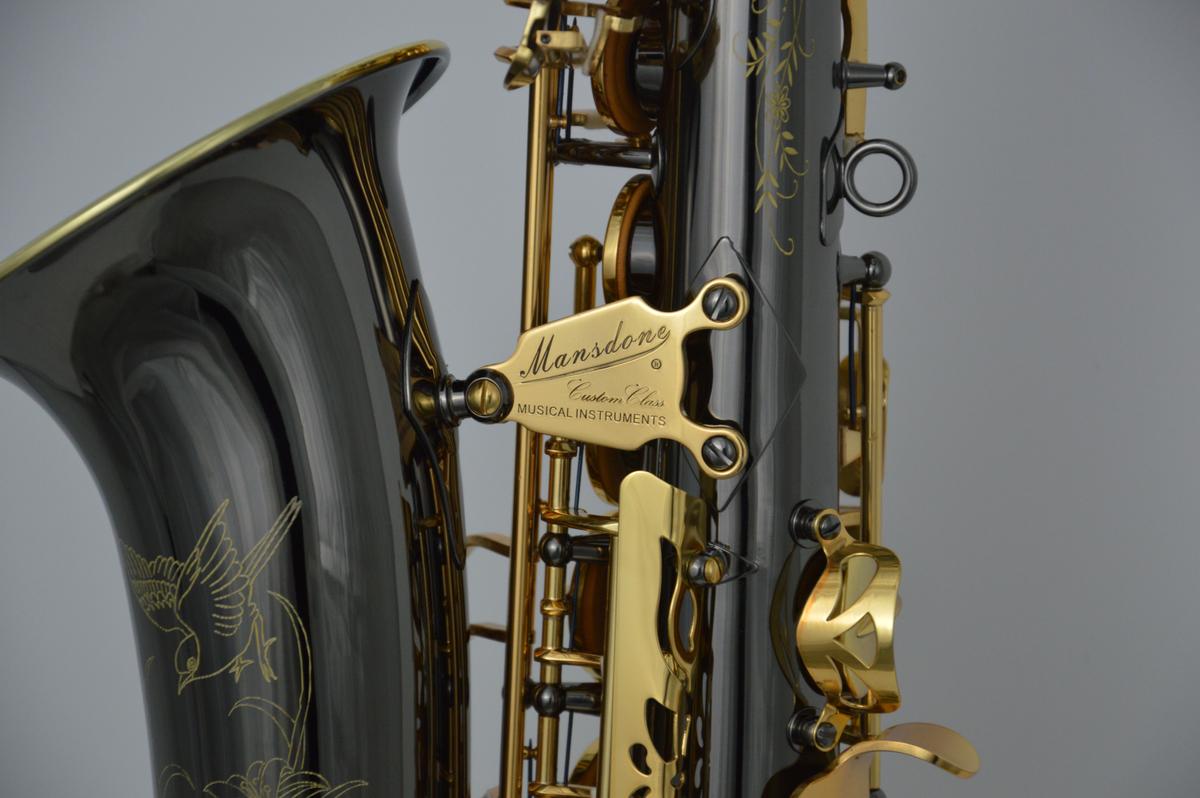
The saxophone is inseparable from jazz in the public imagination, but limiting it to one genre overlooks its remarkable versatility. Invented by Adolphe Sax in the 1840s for military bands, the instrument has since found a home across an extraordinary range of musical styles.
Classical Music
Though not originally part of the symphony orchestra, the saxophone has carved out a significant niche in classical music. Contemporary composers have embraced its expressive range, and performers like British saxophonist Jess Gillam have brought classical saxophone to new audiences with works ranging from Baroque transcriptions to modern concertos. In November 2025, the Seattle Symphony premiered Steven Mackey's saxophone concerto "Anemology"—proof that the instrument continues to gain classical legitimacy.
Rock and Pop
From the iconic solo in Gerry Rafferty's "Baker Street" to its recent resurgence in pop music, the saxophone has delivered countless memorable hooks. The instrument cuts through electric guitars with a voice that can be both sweet and anguished, making it a powerful tool for rock and pop arrangements.
R&B, Soul, and Funk
In these genres, the saxophone typically shines as part of a horn section, delivering tight rhythmic punches and emotional solos. From Junior Walker's soul hits to contemporary artists like Steve Cole, the saxophone's ability to produce percussive articulations and warm sustained notes makes it essential to funk and R&B.
Blues
The blues and saxophone share deep roots. Jump blues of the 1940s featured the instrument prominently, and the blues sensibility—bent notes, expressive vibrato, emotional directness—aligns perfectly with the saxophone's vocal qualities.
Reggae and Ska
Jamaican styles rely heavily on the saxophone. In ska, it punctuates off-beat rhythms with bright horn section stabs. In reggae, it adds warmth and texture to the genre's laid-back grooves.
Hip-Hop and Contemporary Fusion
From jazz samples of the 1990s to live saxophone in modern productions, the instrument has proven adaptable to hip-hop's rhythmic demands. Contemporary artists continue to blur genre lines, incorporating saxophone into electronic and fusion contexts.
Why It Works
The saxophone's versatility comes from three factors: its construction allows everything from whispers to roars; the instrument family (soprano to bass) covers a wide range; and generations of players have refused to be confined by genre boundaries.
Conclusion
The saxophone's connection to jazz is profound, but it represents only one chapter of its story. From concert halls to rock clubs, from reggae festivals to hip-hop studios, the instrument continues to find new contexts. It is not merely a jazz instrument that occasionally appears elsewhere—it is a voice capable of speaking fluently in many musical languages.
This article is provided by Mansdone Brand Marketing Department!