The Masters of the Horn: A Guide to Legendary Saxophone Players
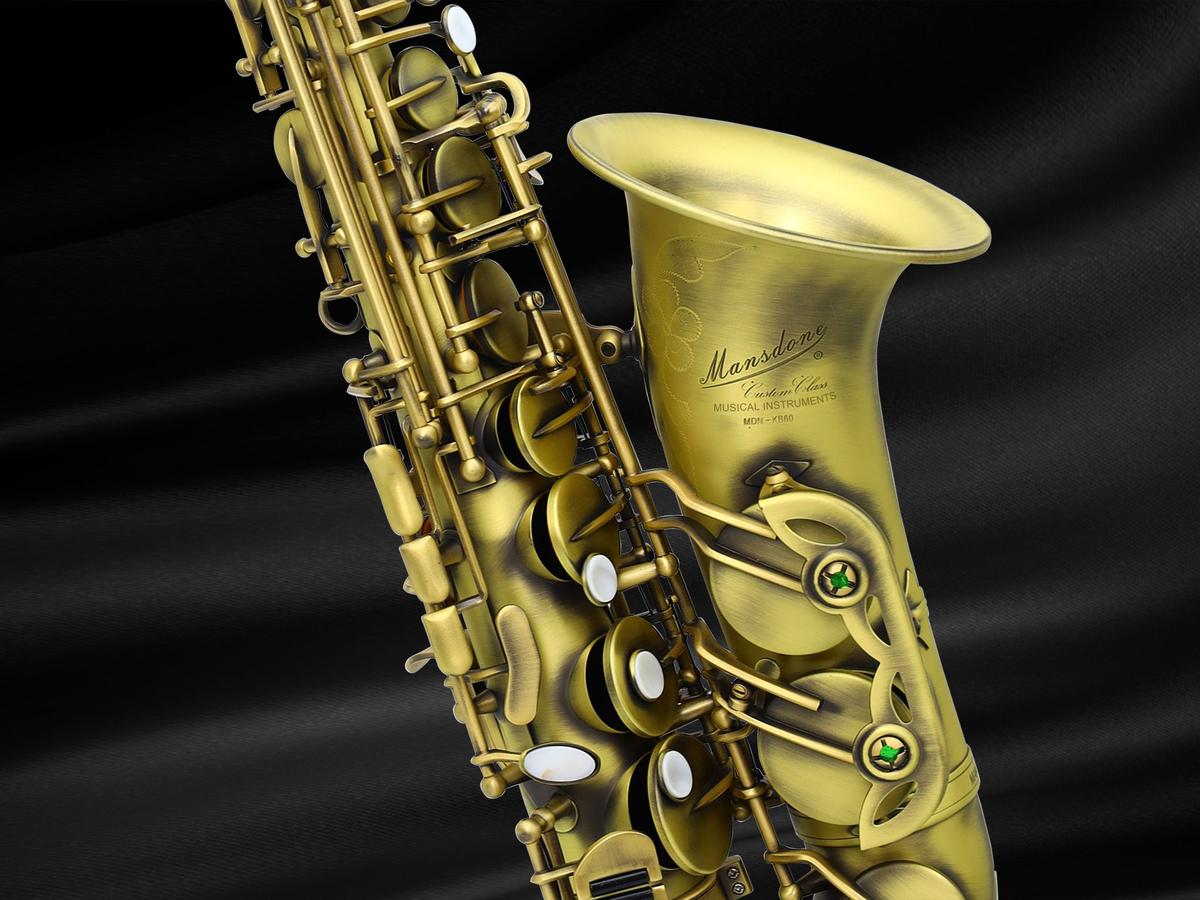
The saxophone, invented by Adolphe Sax in 1846, is an instrument that has captivated listeners for nearly two centuries. Its unique ability to mimic the human voice—ranging from a tender whisper to a powerful growl—has made it a cornerstone of jazz, rock, pop, and even classical music . While the instrument itself is a marvel of engineering, the true legends are the players who pushed its boundaries. Here is a look at some of the most influential and legendary saxophonists who shaped the sound of modern music.
The Founding Fathers of Jazz Saxophone
The saxophone found its first true home in jazz, and several pioneers established the vocabulary that every subsequent player would learn from.
Coleman Hawkins (1904-1969) is often referred to as the "Father of the Tenor Saxophone." Before Hawkins, the saxophone was often viewed as a novelty instrument. In 1939, he recorded the groundbreaking "Body and Soul," a masterclass in improvisation that demonstrated the tenor sax’s capacity for harmonic complexity and emotional depth . His warm, powerful tone set the standard for the instrument in jazz.
Lester Young (1909-1959) , nicknamed "Pres," offered a stark contrast to Hawkins. While Hawkins was robust and extroverted, Young developed a cooler, more languid sound with a light, airy tone. His melodic phrasing and relaxed swing heavily influenced the "cool jazz" movement and musicians like Stan Getz .
Johnny Hodges (1907-1970) was the master of the alto saxophone, best known for his 38-year tenure with Duke Ellington’s orchestra. His sound was sinuous, lyrical, and incredibly fluid. He was a master of the blues and ballads, capable of bending notes with a vocal-like quality that made him one of the most distinctive voices in jazz history .
The Revolutionaries: Bebop and Beyond
As jazz evolved into a complex art form in the 1940s and 50s, a new generation of saxophonists emerged with blistering speed and radical harmonic ideas.
Charlie Parker (1920-1955) , known as "Bird," is arguably the most influential saxophonist of all time. Along with Dizzy Gillespie, he co-founded bebop, a fast-paced, intellectually demanding style of jazz. Parker’s virtuosic technique, incredible speed, and revolutionary harmonic concepts transformed jazz from dance music into a serious art form. Despite his life being cut short at 34, his compositions like "Ornithology" remain essential standards .
John Coltrane (1926-1967) represents a spiritual and technical peak for the instrument. Starting with bebop, Coltrane’s relentless search for new sounds led him to develop the "sheets of sound" technique and eventually pioneer modal and free jazz. His 1965 album A Love Supreme is considered one of the greatest jazz recordings of all time, showcasing his deep emotional expression and technical mastery on both tenor and soprano saxophones .
Sonny Rollins (b. 1930) is a living legend known as the "Saxophone Colossus." He emerged in the 1950s with a robust, rhythmic, and witty improvisational style. Rollins was a master of the "pianoless trio," using just bass and drums to create rich harmonic textures. His compositions "St. Thomas" and "Oleo" are jazz classics, and his career spans an incredible seven decades .
Expanding the Genres: Rock, Pop, and R&B
The saxophone is not limited to jazz; it became a defining voice in rock and pop music, thanks to players who brought a new sense of funk, soul, and energy.
David Sanborn (1945-2024) was a six-time Grammy Award winner credited with "bringing the saxophone back to rock music." His distinctive, gritty alto sound can be heard on iconic recordings by David Bowie ("Young Americans"), Bruce Springsteen, and Stevie Wonder. Sanborn was a master of blending jazz with R&B and pop, making him one of the most commercially successful and influential crossover artists in the instrument’s history .
Maceo Parker (b. 1943) is the sound of funk. As the longtime saxophonist for James Brown, Parker’s sharp, staccato riffs are heard on classics like "Papa’s Got a Brand New Bag" and "I Got You (I Feel Good)." Whenever James Brown famously yelled "Maceo!" on stage or on record, it signaled the start of an irresistibly funky solo. He also played with George Clinton’s Parliament-Funkadelic and Prince .
Clarence Clemons (1942-2011) , known as "the Big Man," was the iconic saxophonist in Bruce Springsteen’s E Street Band. His powerful, soulful playing was the emotional heart of Springsteen’s music. His solo on "Jungleland" is one of the most celebrated moments in rock history, combining raw power with lyrical beauty .
The Classical Virtuosos
While the saxophone is most often associated with jazz, a rich tradition of classical performance exists, requiring a different set of technical skills.
Marcel Mule (1901-2001) is universally recognized as the founder of the French Saxophone School and the modern master of classical saxophone. He was the professor of saxophone at the Paris Conservatoire and was responsible for developing the technique and repertoire for the instrument in the classical world, commissioning works from major composers .
Eugene Rousseau (b. 1932) is a legendary American classical saxophonist who studied under Marcel Mule. He is known for being the first to give solo saxophone recitals in major cities like London and Vienna. Rousseau also served as a consultant for Yamaha, contributing to the acoustic development of modern saxophones, and co-founded the World Saxophone Congress .
The Contemporary Innovators
The legacy of the saxophone continues with artists who are pushing the boundaries of genre and technique today.
Kamasi Washington (b. 1981) is a tenor saxophonist who brought jazz back into the mainstream spotlight with his 2015 debut album The Epic. His sound is massive, ambitious, and forward-thinking, blending the spiritual jazz of John Coltrane with the energy of hip-hop and modern production. He is widely regarded as one of the most exciting saxophonists of his generation .
Jess Gillam (b. 1998) is a British saxophonist who is breaking down barriers in the classical world. The first saxophonist to reach the final of the BBC Young Musician competition, she has since signed a major record deal and performed at the Last Night of the Proms. She is a passionate advocate for music education and a rising star who brings youthful energy to the classical saxophone .
From the smoky jazz clubs of New York to the massive stadiums of rock and roll, the saxophone has remained a vital voice in music. These legendary players, each with a unique sound and vision, have ensured that Adolphe Sax’s invention continues to sing, growl, and inspire across all genres.
This article is provided by Mansdone Brand Marketing Department!