The Neurological Impact of Playing Saxophone: A Multisensory Cognitive Workout
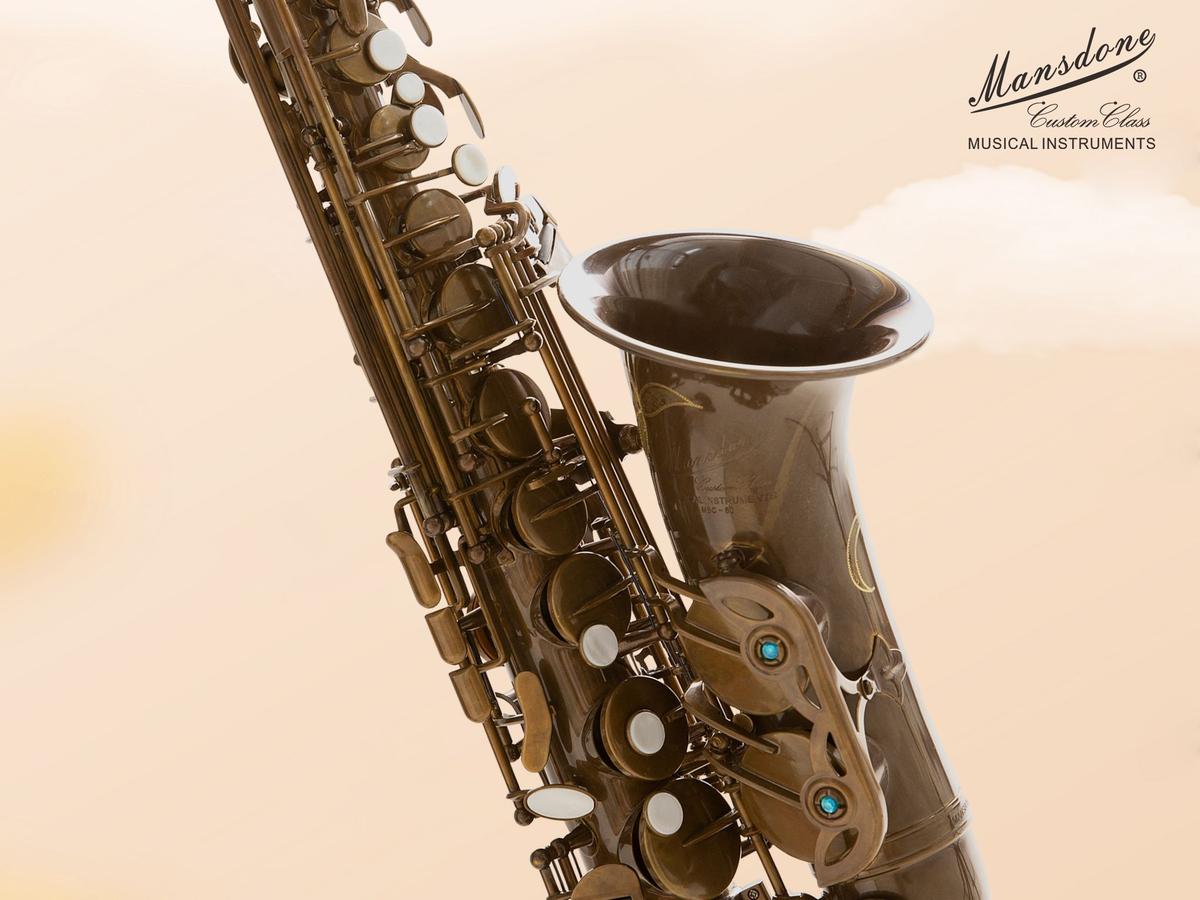
Research into the neurological effects of musical performance has revealed that playing an instrument engages the brain in ways few other activities can. Among wind instruments, the saxophone presents a particularly compelling case due to the complex, simultaneous demands it places on the musician. When a trained saxophonist plays—moving beyond the learning phase into fluent performance—the brain becomes a hub of integrated activity, activating motor, sensory, auditory, and emotional networks in concert.
Neuroimaging studies have shown that playing music recruits widespread regions of the brain, including the motor cortex, somatosensory cortex, auditory cortex, cerebellum, and limbic system. For a saxophonist, this neural symphony begins with the visual processing of musical notation—or, in improvisational contexts, the rapid generation of internal musical ideas. These signals are then translated into precise motor commands: breath support from the diaphragm, controlled embouchure, coordinated finger movements, and nuanced articulation.
What sets wind instruments apart is the added dimension of respiratory control and physical vibration. Unlike playing a keyboard or string instrument, the saxophonist must regulate airflow against resistance while feeling the instrument’s resonance through the body. This somatosensory feedback—the sensation of vibration in the hands, mouth, and chest—provides real-time tactile input that the brain integrates with auditory feedback to refine pitch, tone, and dynamics continuously.
When performing with others, the cognitive load intensifies. Ensemble playing requires sustained attention to external auditory cues, rhythmic synchronization, and non-verbal communication with fellow musicians. Studies on group musical performance have demonstrated enhanced activity in brain regions associated with empathy, social cognition, and timing—areas such as the inferior frontal gyrus and the medial prefrontal cortex. This social dimension transforms solo practice into a collaborative cognitive exercise, further broadening the neural networks involved.
The creative aspect, particularly in genres like jazz where improvisation is central, adds another layer. Improvisation has been linked to deactivation of self-monitoring regions (such as the dorsolateral prefrontal cortex) alongside activation of narrative and autobiographical networks. For saxophonists who improvise, the brain enters a state of focused, uninhibited flow that combines technical mastery with spontaneous creativity.
Regarding the question of whether a one-handed instrument like the trumpet differs significantly, the core principle remains the same: both engage a vast array of neural systems simultaneously. However, instruments like the saxophone, which require independent coordination of both hands across a complex key system, may place proportionally greater demands on interhemispheric communication and fine motor integration. The physical experience of holding the instrument against the body—rather than resting it on a lap or stand—also heightens proprioceptive input, potentially enriching the sensory feedback loop.
Crucially, these benefits are observed only when the musician has already acquired technical proficiency. During the learning phase, the brain is heavily occupied with basic motor sequencing and error correction, which engages different, more localized networks. It is fluency—the ability to perform without conscious effort on mechanics—that unlocks the full, simultaneous engagement of cognitive, sensory, and emotional centers.
In summary, playing the saxophone constitutes a total brain workout. It integrates visual, auditory, tactile, motor, creative, and social processing into a seamless experience. Far from being merely a recreational activity, it represents a uniquely demanding and enriching form of neural engagement—one that continues to intrigue researchers studying brain plasticity, executive function, and the cognitive benefits of musical training.
This article is provided by Mansdone Brand Marketing Department!