Switching from Flute to Alto Saxophone: A Balanced Guide
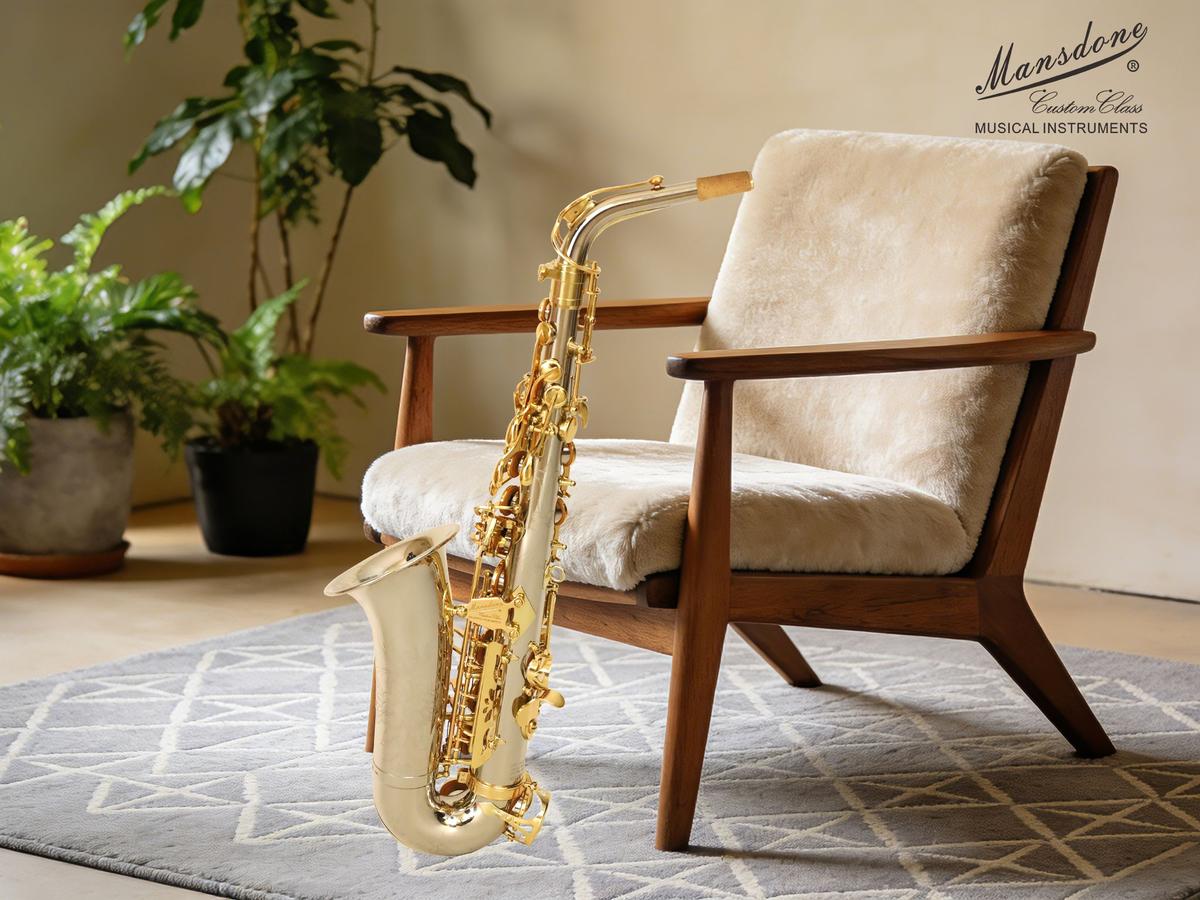
For a flautist considering the alto saxophone, the question is not whether the switch is possible—it certainly is—but rather how much patience will be required to navigate the differences. Many woodwind players double on both instruments successfully, and the transition benefits from a surprising number of shared fundamentals.
Fingering: A Familiar Foundation
The fingering system on the alto saxophone closely mirrors that of the flute in the lower two octaves. A flautist will find the left-hand keys for B, A, and G, as well as the right-hand stack for F, E, and D, instinctively familiar. This overlap means that scales and technical passages do not require a complete mental remapping of the fingers. The primary cognitive hurdle lies not in the fingers, but in the brain's relationship with pitch.
The alto saxophone is an E-flat transposing instrument. When a player fingers a written C, the sound produced is a concert E-flat. A flautist accustomed to concert pitch reading must either mentally add three sharps to the key signature or, as many doublers report, rely increasingly on playing by ear. This latter approach allows the musician to bypass the transpositional mathematics and trust their aural instincts.
The Embouchure Challenge
Where the flautist faces the steepest learning curve is in tone production. The flute demands a focused, high-speed airstream directed across an edge. The saxophone, a single-reed instrument, requires a markedly different approach. Applying flute-style air pressure results in a pinched, sharp tone in the upper register and an uncontrolled "honk" in the lower range, particularly from D down to B-flat.
The saxophone embouchure requires a more relaxed jaw, with the corners of the mouth drawn inward to provide a stable cushion for the vibrating reed. The player must also accept more of the mouthpiece into the mouth and use a warmer, larger column of air. This adjustment takes time and cannot be rushed.
Practical Setup for a Smoother Start
Equipment choices matter significantly during this transition. Experienced doublers recommend a beginner-friendly setup: a mouthpiece with a narrow tip opening paired with a soft reed, typically strength 1.5 or 2. This combination requires less air pressure and encourages the reed to vibrate freely while the new facial muscles develop.
Posture is equally important. A neck strap is essential, and it should be adjusted short enough so that the instrument rises to meet the player's lips. Hunching over to reach the mouthpiece restricts airflow and creates tension.
Conclusion
Learning resources such as the Rubank Elementary Method offer structured, time-tested guidance for the beginner saxophonist. Listening attentively to accomplished saxophonists also provides an invaluable model for tone and phrasing. Ultimately, the switch is very doable, but it demands that the flautist treat the alto saxophone as a distinct voice. As with any instrument, the key remains consistent, deliberate practice.
This article is provided by Mansdone Brand Marketing Department!