How to Stay in Tune on a Tenor Saxophone
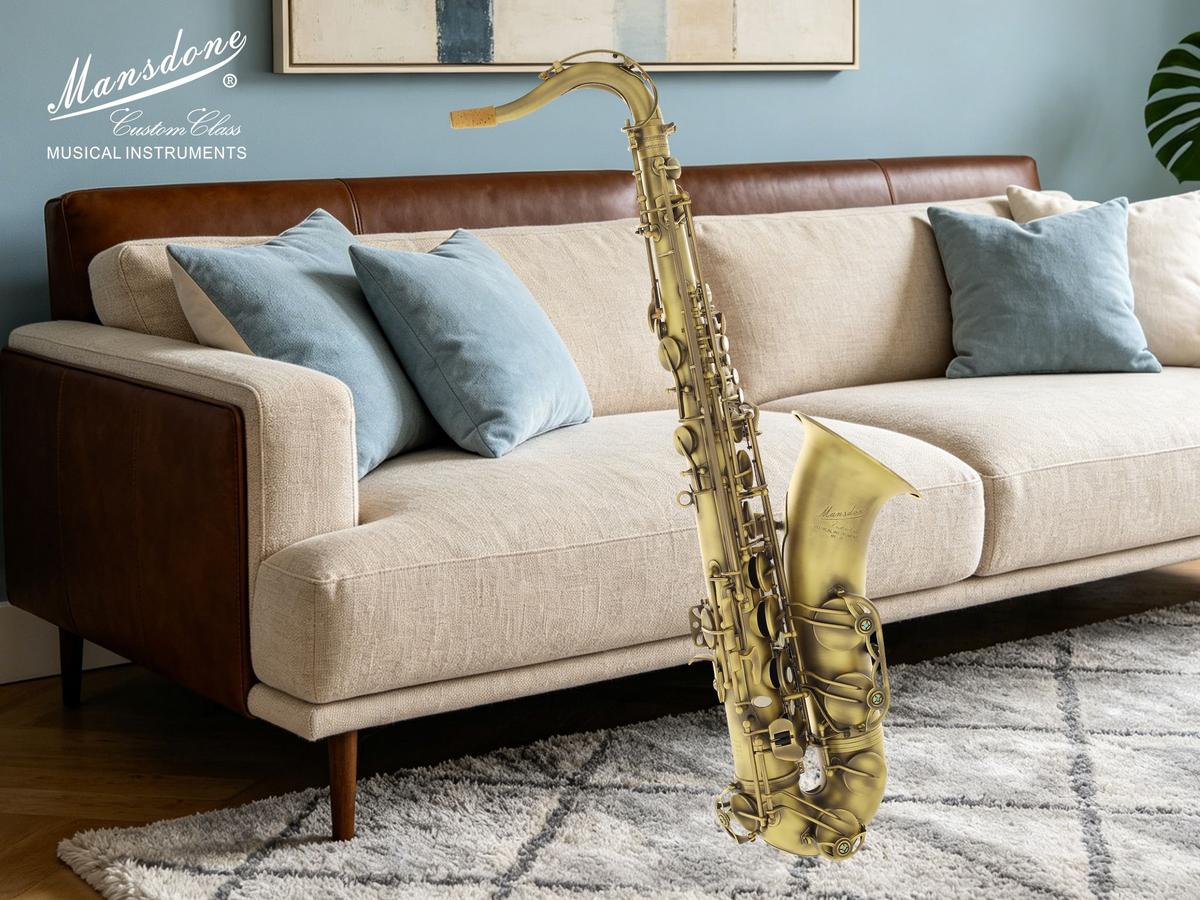
Staying in tune on the tenor saxophone is a challenge every player faces, from beginners to seasoned pros. Unlike a piano or a digital tuner, the saxophone is not a "fixed pitch" instrument; it is a glorified cone of metal with holes in it. Playing in tune is a dynamic negotiation between your equipment, your body, and the room around you.
If you're struggling with pitch—perhaps finding yourself consistently flat in the low register or sharp up high—the solution usually lies less in your gear and more in your air support and voicing.
1. The Foundation: Air and Embouchure (The Most Likely Culprits)
Before you adjust anything on the neck cork, look inward. 90% of intonation issues on tenor stem from an underdeveloped or unstable air column.
Visualize the Air Column Tenor sax requires a large volume of slow, warm air. Think of pushing a "column of air" from your diaphragm up through the horn and out across the room, not just blowing at the mouthpiece. If your breath support is shallow, the pitch will sag flat and sound thin. A relaxed, open throat is crucial. A common issue for new tenor players is a tight embouchure combined with weak air, which chokes the reed and forces the pitch sharp—especially in the upper register .
The "Tuning" vs. "Intonation" Distinction This is a key concept from experienced players: if every note is flat, you simply need to push the mouthpiece further onto the cork. That's a tuning adjustment. If some notes are in tune but others (usually middle C# or low D) are wildly off, that's an intonation issue, and that's fixed with your throat and oral cavity, not your hands .
2. Mouthpiece Placement: Finding the "Sweet Spot"
Many players make the mistake of tuning only to a concert A or Bb and calling it a day. Because the saxophone's scale is a series of acoustical compromises, you need to find the spot where the horn is most in tune with itself.
The Overtone Matching Method Instead of just looking at a needle on a tuner, use the horn's natural acoustics.
- Play a low B (left index finger) with full, warm air. Memorize the pitch.
- Now, without changing your embouchure, play the "long" B (overblowing the low B fingering to sound the middle B, perhaps using the octave key as a guide).
- Adjust the mouthpiece on the cork until these two notes match perfectly in pitch . Why this works: If the low and middle registers are in agreement with each other, you've found the acoustical "sweet spot" of that specific mouthpiece on that specific horn. You'll likely find you need to push the mouthpiece in further than you initially expected. Mark this spot on the cork with a pencil and always start your session there .
3. The "Voicing" Variable: How to Fix Stubborn Notes
Even with perfect mouthpiece placement, the tenor sax has acoustical quirks. The design of the instrument means notes like middle C# are often sharp, and low D (with the octave key) can be saggy and flat. Don't try to fix this by biting (jaw pressure). Do adjust your oral cavity (voicing) .
- For a sharp note: Imagine singing an "EEEE" vowel or saying the word "he." This raises the back of the tongue slightly and speeds up the air, lowering the pitch without moving your jaw.
- For a flat note: Imagine singing an "AHHH" vowel. This drops the tongue and opens the throat, slowing the air column and raising the pitch.
4. Equipment Checks
While you are the primary variable, equipment matters.
- Reed Strength: Playing a reed that is too soft for your air support can cause the pitch to sag flat when you push air into the horn, especially in the palm keys. If your upper register feels "flighty" and unstable, you might be ready to move up a half-strength in reeds .
- Mouthpiece: A mouthpiece with a very large chamber will naturally play flatter and require more embouchure adjustment than one with a smaller chamber . If you've just switched to a "high baffle" jazz piece, be aware that it will demand much stronger air support and a firmer voicing to play in tune .
5. A Note on the Tuner
For tenor players, remember that your instrument is in Bb. If you play your written C on the staff, the tuner should read Concert Bb . While a tuner is a helpful diagnostic tool, don't stare at it while playing melodies. Use it on long tones to train your ear and muscle memory, then put it away. Playing in tune with a track or a live band is about listening and adjusting in real-time, not chasing a needle.
Summary Checklist for Staying in Tune:
- Warm up: The horn plays flat when cold.
- Push in: Ensure mouthpiece is at the "sweet spot" found via overtone matching.
- Blow through the horn: Support the sound from the diaphragm.
- Listen: Adjust pitch with your throat (voicing), not your jaw.
This article is provided by Mansdone Brand Marketing Department!