Unlocking the Alto Saxophone: A Practical Guide to Reading Music
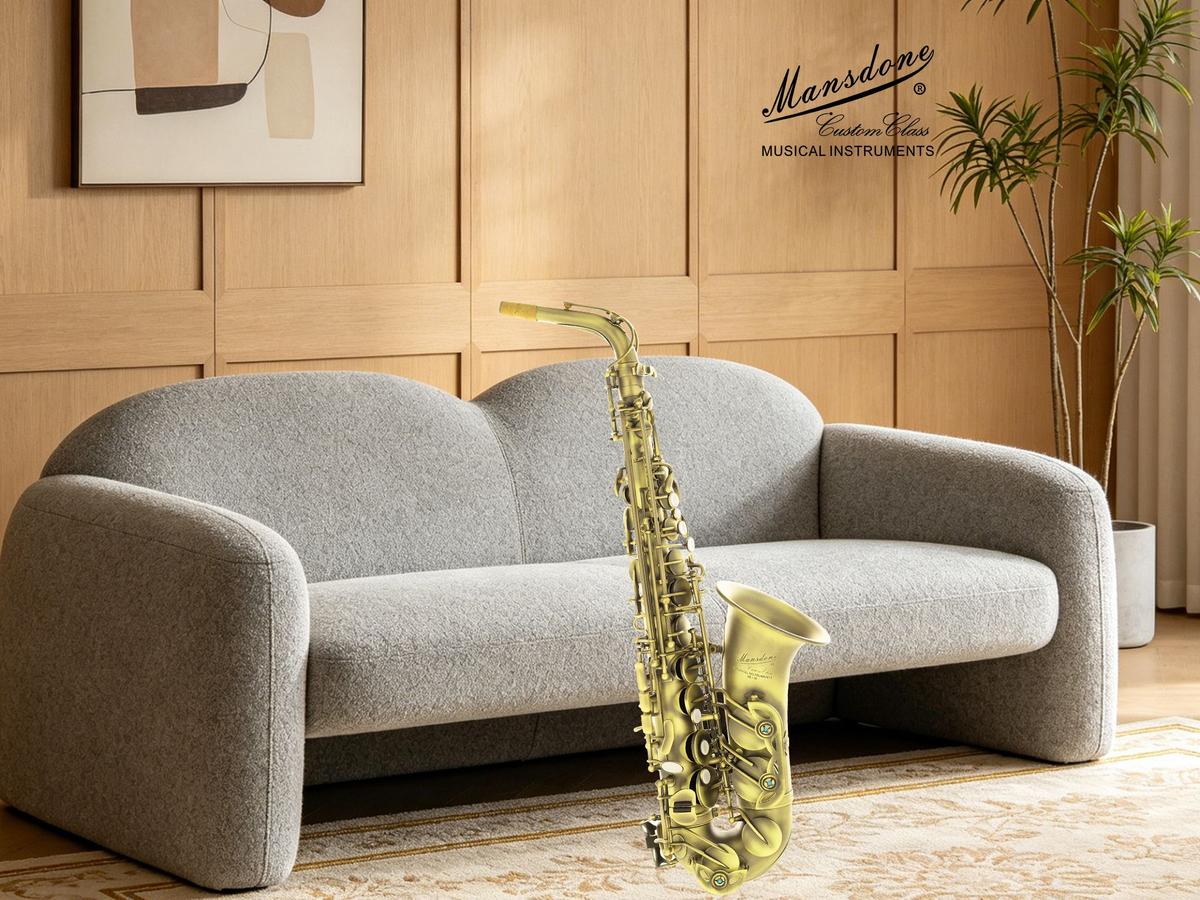
For the beginning alto saxophonist, learning to read music is a fundamental skill that unlocks a world of playing. Unlike the piano or flute where the written note corresponds directly to a single, fixed pitch, the saxophone requires a mental translation. The instrument is in the key of E-flat, meaning a written ‘C’ on the page sounds as an E-flat on a concert pitch instrument like a piano. For a new player, the most effective strategies combine a solid grasp of this transposition with a consistent, multi-sensory practice routine.
A player’s first and most important task is to fully accept the alto’s transposed nature. Every piece of sheet music written for the alto saxophone has already done the work. When a saxophonist sees a middle ‘C’ on the staff and fingers it correctly, the sound produced is an E-flat. This can cause confusion when communicating with a pianist or guitarist. A reliable strategy to avoid this is to think of the alto as a self-contained universe. During practice, a musician should always use a tuner set to ‘E-flat’ and, when playing along with concert-pitch material, use a backing track specifically transposed for the alto. This visual and aural confirmation on the tuner reinforces the direct link between the note on the page, the fingers, and the expected sound, bypassing complex mental calculations in the early stages.
Once the transposition is mentally accepted, the focus can shift to building a visual vocabulary. Many successful players advocate for the “5-Note Scale Approach” over rote memorization of individual notes. Instead of staring at a fingering chart, a student can take a manageable range, like G to D on the staff, and play simple, rhythmic patterns up and down. Reading exercises from a beginner method book that use only these notes teaches the eye to recognize intervals—the space between notes. This is far more efficient than deciphering every single letter name. The brain learns that a note on a line followed by a note on the next space means a stepwise motion, which the fingers then execute smoothly, creating a direct connection from the visual pattern to the physical movement.
A technique musicians consistently find indispensable is the discipline of “read and finger away from the horn.” A player should take a piece of sheet music, sit down with the saxophone on a stand, and silently finger along while mentally saying or humming the note names. This separates the intellectual challenge of reading from the physical demands of breath and embouchure. When the fingers can glide through a tricky passage without the horn making a sound, it builds a confident, non-verbal memory. Joining a beginning band or an ensemble is an accelerator for this exact reason. The shared pulse and the pressure to not stop forces the player’s eyes to stay on the music, a critical habit that replaces the beginner’s instinct to constantly look down at their fingers.
Perhaps the most underrated tool is pencil and paper. A student should not just read music but write it. Transcribing a simple, familiar nursery rhyme onto a blank piece of staff paper by hand for the alto saxophone solidifies the geography of the staff like nothing else. For reading rhythms, the strategy of subdividing the beat is a proven lifesaver. A reliable approach is to clap the rhythm of a new piece while counting the smallest division of the beat out loud (“1-and-2-and-3-and-4-and”) before even touching the instrument. This builds a rhythmic skeleton, allowing the player to add notes to a structure they already understand.
Mastering sight-reading on the alto saxophone is not a mystery; it is the result of layered, intelligent practice. By embracing its E-flat identity, practicing in functional note-groups, separating finger work from sound production, and rigorously clapping rhythms, any dedicated player can build a durable musical literacy that will serve them for a lifetime.
This article is provided by Mansdone Brand Marketing Department!