How to Prevent Rust on a Saxophone: A Practical Guide to Protection and Care
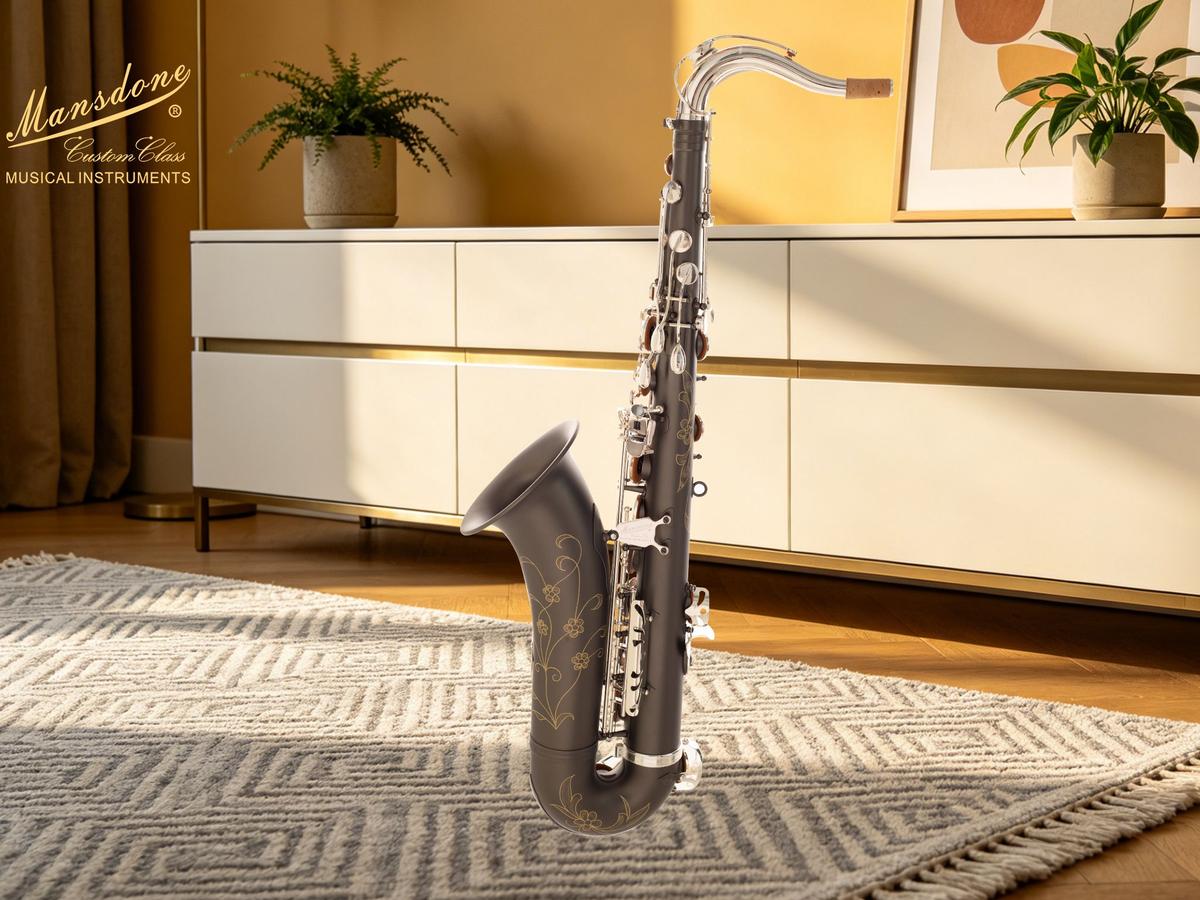 A saxophone is a significant investment, and seeing spots of rust or corrosion on its surface can be disheartening. While the term "rust" is commonly used, what happens to a saxophone is technically corrosion or tarnish, as most saxophones are made of brass, not iron. The real enemy is oxidation—a chemical reaction between the metal and the environment. The good news is that preventing this damage is straightforward if you understand the causes and commit to a consistent care routine.
The Primary Cause: Moisture and Neglect
The main culprit behind saxophone corrosion is moisture. This comes from two primary sources: the player's breath and the surrounding environment. During play, warm, humid air is blown through the instrument. This air contains water vapor and carbon dioxide, which condenses on the inside of the brass tubing, creating a perfect environment for oxidation to begin. Saliva, which is slightly alkaline, can also contribute to the problem if allowed to sit, potentially accelerating corrosion on certain finishes.
On the outside, the threat comes from sweat and skin oils. These substances are often acidic and, if not wiped away, can gradually eat through the protective lacquer finish, allowing the bare brass underneath to be exposed and corrode. According to repair technicians, acidic sweat can strip lacquer and begin eating into the brass much faster than one might expect. Environmental humidity is another factor; storing a saxophone in a damp basement or leaving it in a car trunk can significantly increase the risk of corrosion.
A Daily Defense Routine
Preventing corrosion is far easier than trying to fix it. A simple but thorough routine after each playing session is the most effective defense.
The first and most critical step is to remove internal moisture. After playing, use a proper cleaning swab—a cloth with a weight on a string—and pull it through the body of the instrument several times to absorb the condensation. It is also vital to clean the neck separately with a smaller swab. Be cautious with tools like hard "spit sticks," especially non-absorbent ones, as they can cause damage or simply push moisture around without actually drying the bore.
Next, thoroughly wipe down the entire exterior with a soft, lint-free microfiber cloth. This removes fingerprints, sweat, and any other residue that could damage the lacquer over time. Pay special attention to high-contact areas like the neck, key touches, and the bell. This simple act of wiping the instrument down after every use is one of the most recommended practices for keeping a saxophone looking new for years.
Keypad Care and Drying Time
Moisture on the pads can cause more than just sticky keys; it can lead to pad deterioration and even corrosion on the tone holes. Use pad cleaning paper to gently absorb moisture from the pads by placing it between the pad and the tone hole and pressing the key down lightly, then releasing. Do not pull the paper out while the key is pressed, as this can tear the delicate material. A crucial, often overlooked step is allowing the instrument to air dry after cleaning. Before packing it away, leave the case open for 15 to 20 minutes in a well-ventilated area. This allows any remaining moisture to evaporate rather than being trapped in a sealed case with the instrument.
Smart Storage and Environmental Control
How and where a saxophone is stored makes a considerable difference. The instrument should always be kept in its case when not in use. The case itself should be a padded, hard-shell model to provide physical protection and a more stable internal environment.
Controlling humidity inside the case is one of the most effective long-term strategies. Placing one or two silica gel desiccant packs in the case will actively absorb ambient moisture, keeping the micro-environment dry. These packs need to be recharged or replaced regularly, approximately every two months, to remain effective. The room where the case is kept is equally important. An ideal environment has a consistent humidity level between 40% and 60%. Extremely humid places, like bathrooms, or areas with large temperature swings, like near a window, should always be avoided.
Spotting and Dealing with Problems
It is important to know what to look for. Early signs of corrosion often appear as dark spots around soldered joints, key posts, and tone holes, sometimes referred to as "acid bleed" from manufacturing residue, though neglect can accelerate it. If surface rust is found inside the bell, a small amount of metal polish or brass soap can often remove it. When doing so, one must be incredibly careful not to let any polish touch the leather or felt pads, as it can cause damage. If the lacquer has already chipped and bare brass is showing, or if a problem seems beyond a simple wipe-down, the best course of action is to consult a professional repair technician. "Do-it-yourself" fixes on a lacquer finish often make the damage worse. An annual check-up with a certified technician is also recommended for professional cleaning and to catch small problems like micro-cracks in the finish before they become big ones. With consistent care, a saxophone can provide a lifetime of music without falling victim to rust.
This article is provided by Mansdone Brand Marketing Department!