The Saxophone in The Beatles’ Studio: From Distortion to Dance Halls
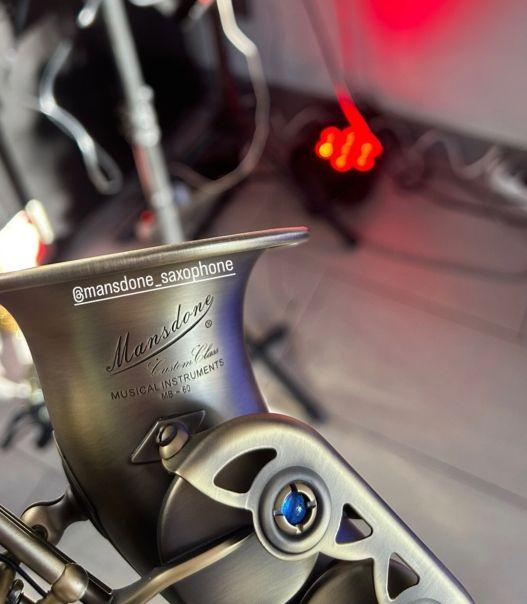
While The Beatles are primarily celebrated for their pioneering guitar-driven rock and roll, the saxophone makes several notable, albeit carefully curated, appearances in their later discography. Rather than featuring the instrument as a consistent lead voice, the band—often in collaboration with producer George Martin—employed the saxophone as a specific tonal color, frequently drawing on the talents of London's top jazz session musicians.
An early, unconventional example occurs on "Helter Skelter", where John Lennon created a "mouth sax" effect by blowing through a saxophone mouthpiece. This distorted, shambolic noise aligns perfectly with the track’s abrasive, proto-heavy metal energy, representing the saxophone not for melodic grace but for raw, textural chaos.
A more polished and prominent use of saxophone came with the 1968 single "Lady Madonna". Inspired by Fats Domino-style rock and roll, Paul McCartney wanted a real brass section. Four saxophonists were hastily assembled, including the renowned baritone sax player Harry Klein and club owner Ronnie Scott. As there was no written music, the musicians improvised around riffs until McCartney was satisfied, reportedly requiring up to 101 takes.
The Beatles' self-titled 1968 double album (often called the "White Album") features the saxophone most extensively. George Harrison's "Savoy Truffle" boasts a six-piece saxophone section arranged by Chris Thomas. This ensemble included key figures like Harry Klein, Ronnie Ross, and Art Ellefson. In a characteristic twist, Harrison then asked engineer Ken Scott to heavily distort the horn sound using overloaded amplifiers to achieve a raw, biting texture. On the same album, a different set of saxophonists was arranged to mimic a 1920s dance band sound on the pastiche "Honey Pie".
Beyond these, the saxophone was woven into the grand orchestration of "All You Need Is Love", where tenor saxes played a segment of the standard "In the Mood," and into the horn sections of "Got to Get You Into My Life" and "Good Morning, Good Morning," with the latter featuring an arrangement by George Martin.
In summary, the saxophone's documented role in The Beatles' catalog includes:
- A distorted mouthpiece sound for raw effect in "Helter Skelter".
- A classic rock-and-roll horn section in "Lady Madonna".
- A six-piece, heavily distorted saxophone ensemble in "Savoy Truffle".
- A recreation of a sweet jazz band in "Honey Pie".
- Integrated horn arrangements in "All You Need Is Love", "Got to Get You Into My Life", and "Good Morning, Good Morning".
The Beatles' use of saxophone was never about making it a permanent fixture. Instead, they treated it as a studio tool, skillfully directed by session musicians like Harry Klein to serve the distinct character of each song.
This article is provided by Mansdone Brand Marketing Department!