How to Develop a More Relaxed Saxophone Embouchure
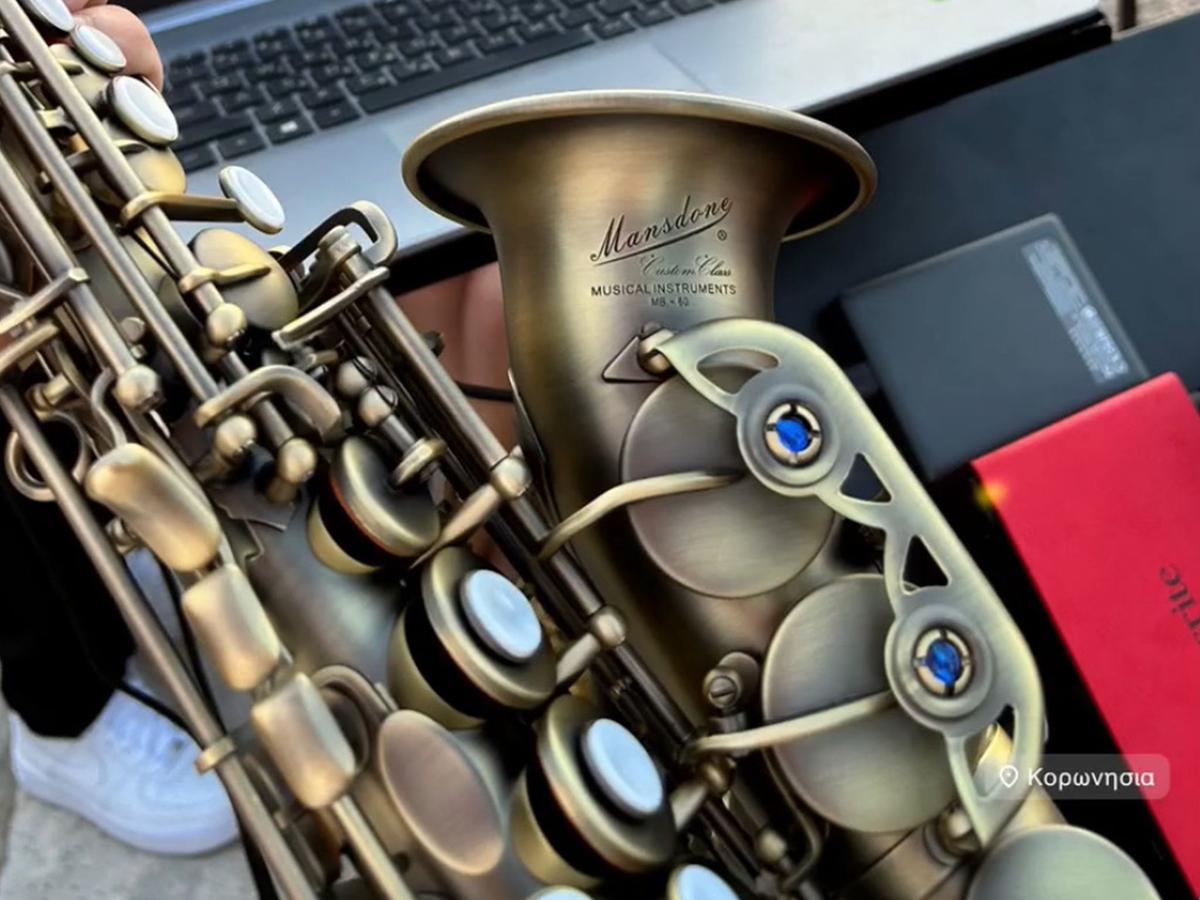
Developing a relaxed embouchure is one of the most critical yet challenging aspects of saxophone playing. Many players struggle with tension, often manifesting as biting or jaw fatigue, which directly compromises tone quality and flexibility. Addressing this requires a systematic approach that focuses on posture, breath support, and specific exercises designed to reset the muscles around the mouth.
Understanding the Foundation of Relaxation
The root of embouchure tension often lies elsewhere in the body. A player’s posture and breathing technique form the foundation upon which the embouchure functions. If a saxophonist sits or stands in a tense position—perhaps with raised shoulders, a twisted torso, or a forward-leaning stance—this strain inevitably transfers upward. The neck, jaw, and facial muscles will compensate for the lack of stability elsewhere. Therefore, a relaxed embouchure begins with an aligned body. The head should be upright, the shoulders relaxed and slightly back, and the breath should be supported from deep within the abdomen. When the large muscles of the torso are doing their job to power the airstream, the small muscles of the embouchure are freed from having to compensate with excess pressure.
The Mechanics of a Relaxed Embouchure
At its core, an effective embouchure acts as a firm but flexible seal around the mouthpiece, not a clamp. The jaw plays a stabilizing role but should not supply a strong upward biting force, which leads to fatigue and a pinched sound. The corners of the mouth are typically brought in, but the lower lip must remain relaxed enough to allow the reed to vibrate freely. Excessive vertical pressure stifles these vibrations, producing a thin, sharp tone. A useful mental model is to think of the embouchure gently "steering" the reed while the air does the heavy lifting of tone production.
Practical Exercises for Developing Relaxation
The Top Lip Retraction Exercise A highly effective method for checking and correcting lower lip tension involves removing the upper lip from the equation. The saxophonist can do this by retracting the top lip over the top teeth, or by using a free hand to gently hold the upper lip away from the mouthpiece while playing a note. The goal is to produce a clear sound without the top lip’s involvement. Players will immediately notice that this requires significantly more focused air and that notes will simply not speak unless the lower lip is relaxed. Practicing this for five to ten minutes at the start of a session can help a player reconnect with the sensation of a relaxed embouchure and full air support.
The Octave Slur Exercise This exercise trains the embouchure to remain stable without adding unnecessary pressure when changing registers. The player starts by playing a low A and then slurs up to the A an octave higher by pressing the octave key. Crucially, no change in embouchure or air pressure should occur during this transition. After the higher note sounds, the player releases the octave key, and the low A should return immediately. If the low note is delayed or fails to sound, it indicates that the embouchure is too tight, and the jaw should be dropped slightly while maintaining constant air pressure. A variation of this involves having someone else operate the octave key at random while the player holds the note, which helps eliminate involuntary jaw movement.
Mindful Practice with Long Tones and Breaks Tension often builds gradually during practice, especially when playing long or technically demanding pieces. A player might bite down to compensate for a tiring embouchure. Incorporating planned breaks into practice sessions, such as taking a full measure of rests between phrases, can interrupt this cycle. Playing long tones while consciously monitoring jaw pressure and the corners of the mouth helps build endurance without ingraining tension. Visualizing a relaxed, beautiful tone before even producing a sound can also positively influence the physical setup.
When these elements are addressed together—posture, breath, and a sensitized embouchure—the result is a more resonant tone, improved intonation across all registers, and a dramatic reduction in playing fatigue.
This article is provided by Mansdone Brand Marketing Department!