The Tenor Saxophone Choice: A Matter of Voice, Versatility, and Tradition
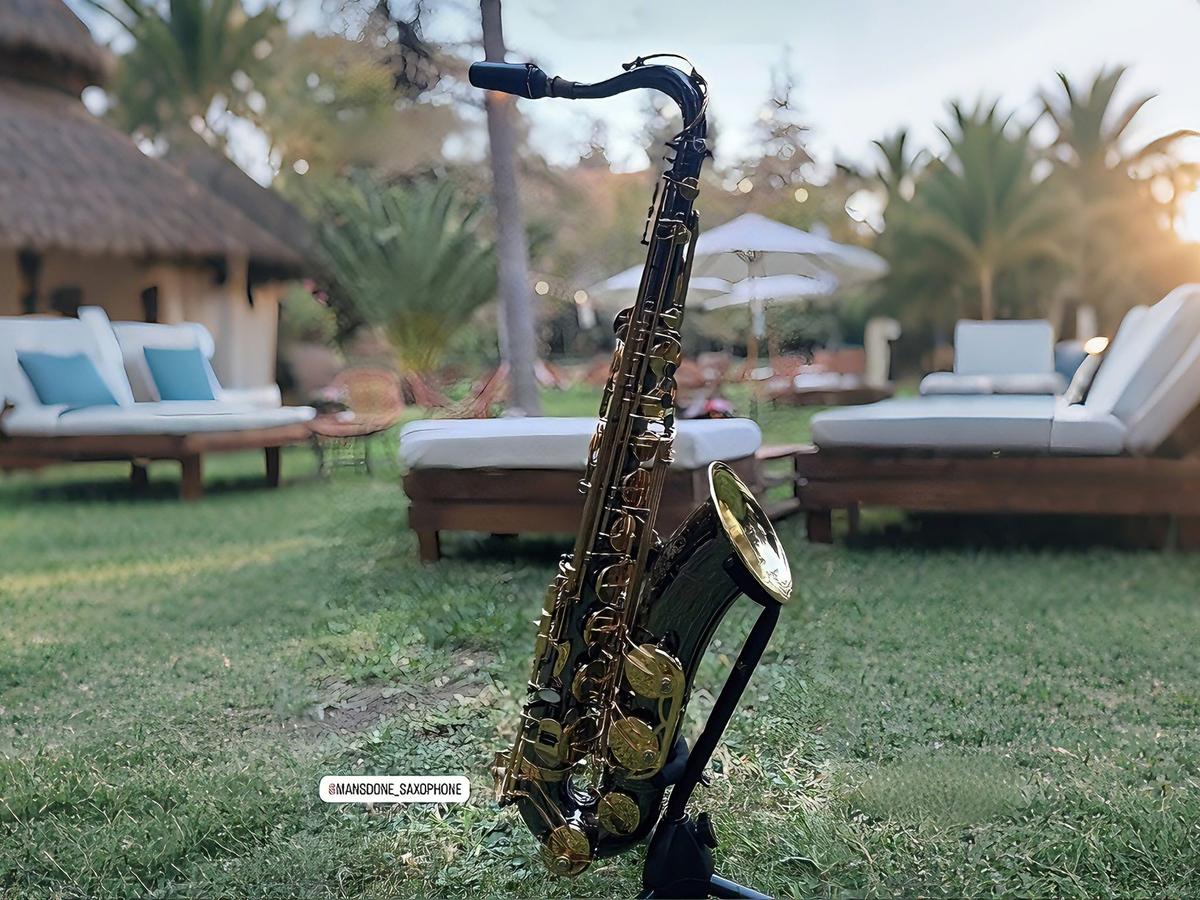
For a musician standing at the crossroads of choosing a saxophone, the decision between alto and tenor is rarely a simple one. It is not a question of which instrument is “better,” but rather which voice aligns with a player’s musical goals, physical comfort, and the traditions they wish to explore. While the alto saxophone is a common starting point, the tenor offers a distinct set of advantages that draw players to its deeper, more vocal character.
A Warm and Versatile Sound
The most immediate and celebrated difference is the tenor’s tone. Its larger body and longer tube produce a fundamentally fuller, darker, and warmer timbre compared to the brighter, more focused sound of the alto. This inherent richness gives the tenor a vocal, human-like quality that many find particularly expressive. This voice is the cornerstone of its strength in ballads, blues, and rock, where intimacy and sensuality are paramount. As one player describes it, while the alto can shout over a band with an aggressive edge, the tenor is often better suited for expressing introspection and warmth, a quality perfectly suited for a soulful solo.
This tonal depth translates into a powerful mid-low register. The tenor provides a robust low-end presence and midrange body, allowing a solo to carry the weight and authority that edges closer to a baritone, yet without sacrificing the agility needed in the upper register. This balance makes it an exceptionally flexible ensemble instrument. Within a horn section, the tenor is a natural bridge, sitting comfortably between the high-pitched lead of the altos and the foundational depth of the baritone. This smoothing of timbral contrasts greatly improves the blend and arranging options for a band, making the tenor player a crucial contributor to a cohesive sound.
An Iconic Repertoire and Physical Gateway
Choosing the tenor is also a choice to directly engage with a monumental musical lineage. Much of the modern language of jazz, rock, soul, and R&B was developed by tenor players. The improvisational styles and classic solos that define these genres flow directly from artists like John Coltrane, Sonny Rollins, Stan Getz, and Wayne Shorter. For a student of this music, the tenor provides more immediate, idiomatic access to this repertoire, allowing them to absorb and recreate the phrasing and articulation that is naturally woven into the instrument’s fabric.
From a physical perspective, the differences are nuanced but significant for many. The tenor’s larger mouthpiece can be a more comfortable fit for players with larger mouths or stronger embouchures. This can make the initial learning curve less about finessing a very small, tight setup and more about controlling a substantial one. While it is a common belief that the tenor demands considerably more air, experienced players often clarify that this depends heavily on breathing technique and mouthpiece choice. What is true is that learning on tenor fundamentally builds deep breath support and phrasing skills, which are transferable to every other woodwind instrument.
The approach to mastering any saxophone is remarkably similar. The fundamental fingerings are identical across the family, meaning that once a player learns one, they can easily pick up the other. The core challenge remains the same: developing an embouchure that can be likened to making a “squirrel face,” with the lower lip rolled over the bottom teeth and resting against the reed. The real artistry comes from subtle, intuitive adjustments—tightening the mouth and tongue to leap to higher octaves or loosening for lower notes, treating the instrument not as a machine of keys, but as an extension of one’s voice. The tenor, with its slightly wider embouchure flexibility, can make these micro-adjustments feel less constricted over time.
The Decision is Personal and Practical
Ultimately, the choice between alto and tenor comes down to a question of personal identity and practical context. The alto is lighter, less expensive, and its bright, piercing tone naturally makes it a lead voice, making it a highly practical choice for younger beginners or contexts favoring a higher tessitura, such as classical music or pop horn sections. The tenor, however, is in high demand across jazz, blues, and rock gigs. A competent tenor player who can deliver a compelling solo and blend a horn section is frequently a highly bookable musician.
Perhaps the most common advice from those who play both is simply to listen. Listen to the legendary alto players like Charlie Parker and Cannonball Adderley, and then immerse yourself in the tenor sounds of Coltrane and Dexter Gordon. The decision should not be based on a perception of which is easier to learn, because as one player succinctly states, “Is it easy? No. Is it hard? Also no.” The instrument that feels right is the one whose sound resonates most deeply with the person who will spend countless hours learning to make it sing. The real answer is not to choose forever, but to start with the voice that speaks to you first. Many of the greatest musical personalities play both, finding that the two horns do not compete, but rather complement different sides of the same artistic self.
This article is provided by Mansdone Brand Marketing Department!