Can a Flute and Clarinet Player Quickly Learn the Saxophone
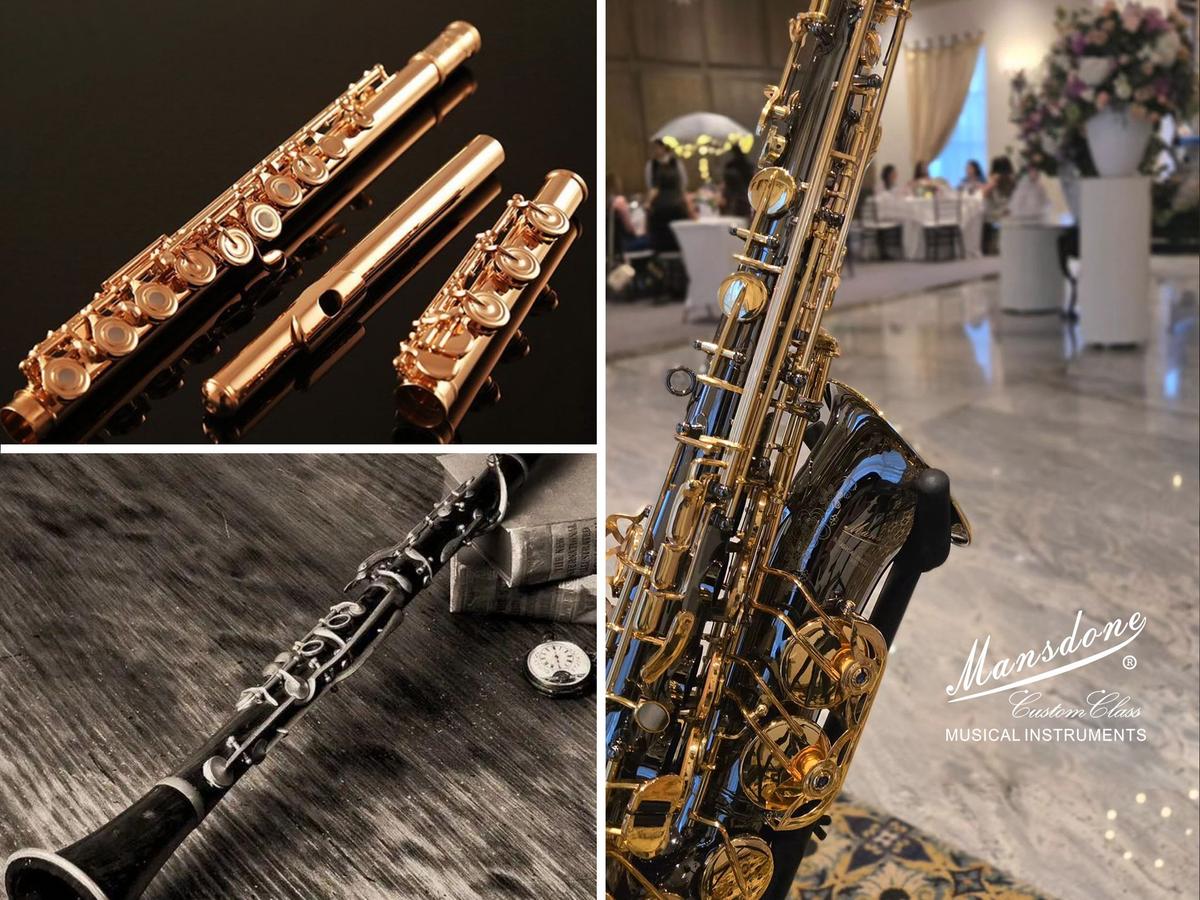
Yes, someone with basic knowledge of flute and clarinet can learn the saxophone relatively quickly. The skills from both instruments transfer, but in different ways.
The clarinetist has a clear advantage in sound production. The saxophone, like the clarinet, is a single-reed instrument. A player who already understands reed control, breath support, and embouchure will find producing a saxophone tone quite natural. The fingerings, however, are where the greatest time is saved. The clarinet overblows at the twelfth, creating two separate fingering patterns for the lower and upper registers. The saxophone overblows at the octave, just like the flute. For the clarinetist, the saxophone's consistent, logical fingering system feels remarkably simple. Basic fluency can often be achieved within weeks.
The flutist brings the opposite gift. The flute embouchure is completely unrelated to the saxophone, and learning to use a reed and form a seal around a mouthpiece is an entirely new physical challenge. However, the flute's core fingerings for the first two octaves are very close to the saxophone's. A flutist will find that notes fall under the fingers almost immediately. The main work lies in building a new embouchure and producing a controlled, warm tone, which requires consistent practice over several weeks or months.
The most effective way to learn combines several approaches. First, the player should listen to skilled saxophonists across different genres to internalize the instrument's true voice, which is neither a metal clarinet nor a reed-blown flute. Second, the embouchure must be built deliberately. Daily long tones, starting on just the mouthpiece and neck, help develop a stable and focused sound. The clarinetist must learn to relax the jaw, while the flutist must learn to apply enough jaw pressure to control the reed without biting. Third, the fingers need retraining. The left thumb octave key, absent on flute and different from the clarinet's register key, must become an automatic habit. The player should also learn to keep fingers close to the keys rather than lifting them too high. Fourth, the saxophone's logical layout should be exploited for rapid progress. Scales and simple melodies practiced in all twelve keys build technical facility quickly, as the pattern stays consistent across octaves. Finally, taking a few lessons with a saxophone specialist is highly recommended. A teacher can spot and correct specific problems, such as a clarinetist holding the instrument too close to the body or a flutist lacking proper jaw support.
In short, the clarinet provides the reed and breath foundation, while the flute provides the fingering map. With disciplined focus on saxophone-specific technique, a functional command of the instrument can be attained within a few months. The key is to respect the saxophone as an instrument with a voice entirely its own.
This article is provided by Mansdone Brand Marketing Department!