From Bass Clarinet to Baritone Saxophone: What Transfers, What Doesn’t, and What to Expect
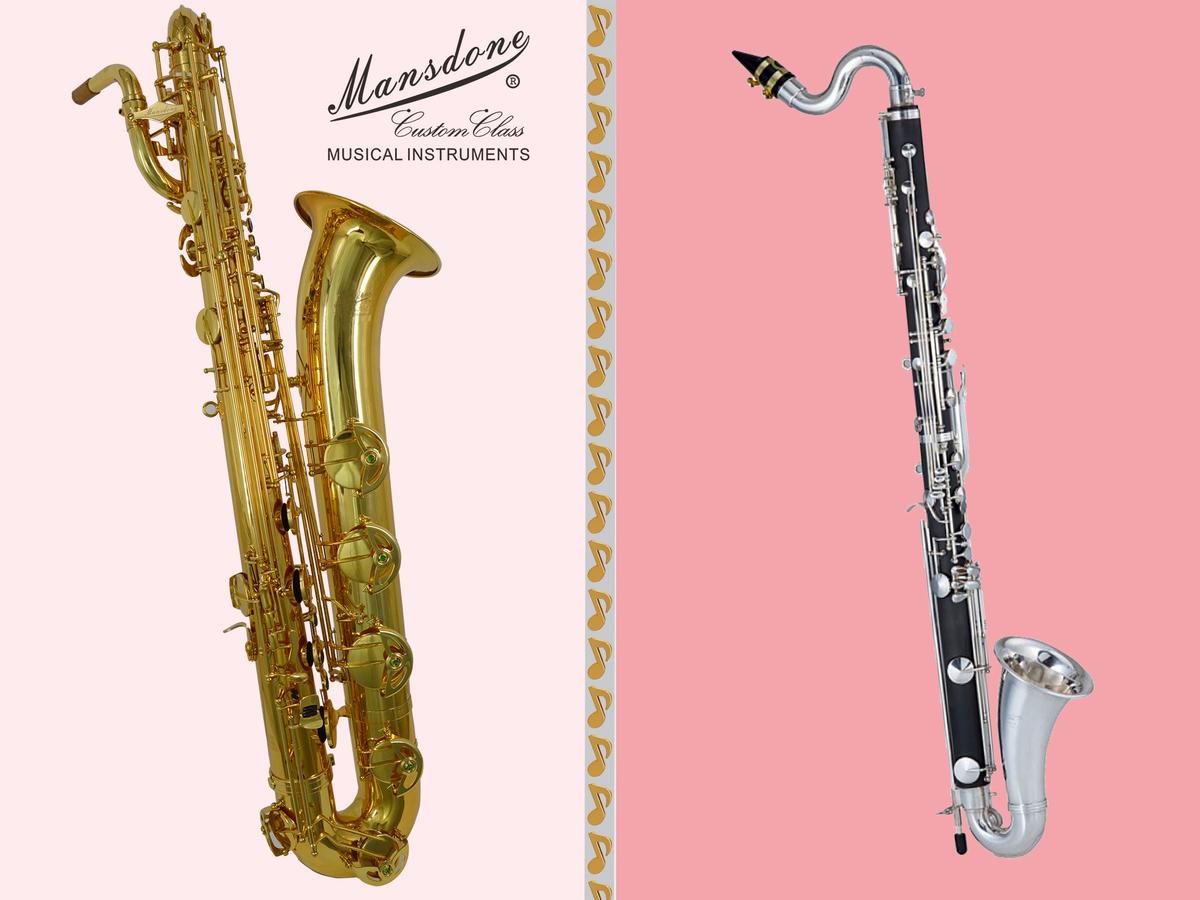
For a bass clarinetist, adding baritone saxophone as a double is a realistic and widely pursued goal. The two instruments share enough common ground that the initial learning curve is gentler than starting a completely unfamiliar woodwind, yet they differ in crucial ways that demand dedicated attention.
What Makes the Transition Easier
The most immediate advantage is that both are single-reed, treble-clef transposing instruments. A bass clarinetist already understands how to manage a reed, produce a tone with controlled air, and articulate with the tongue. The cognitive load of reading music remains essentially unchanged, even though the transpositions differ. Furthermore, many basic fingerings in the middle range share a logical similarity with the clarinet's upper stack. This means a player can often pick up the baritone saxophone and play recognizable scales and simple melodies on day one, a strong motivational boost.
Where the Real Work Begins
The critical and most debated adjustment centers on embouchure. The bass clarinet demands a tight, vertically focused embouchure, a firm jaw, and a high tongue position to manage its cylindrical bore, which overblows at a twelfth. The baritone saxophone requires almost the opposite: a more relaxed and rounded embouchure, a softer jaw, and an open oral cavity with a warmer airstream suited to its conical bore and octave-based overblowing. Applying an unchanged clarinet embouchure to the baritone sax reliably produces a thin, sharp sound and a weak low register. This is the single greatest technical hurdle.
Opinions among professionals diverge on whether learning one embouchure can undermine the other. One school, rooted in the now-outdated practice of requiring all saxophonists to study clarinet first, argues that an immature clarinet embouchure builds harmful muscle memory for saxophone, creating a ceiling on tone quality that is hard to dismantle. A more moderate view holds that a disciplined player can learn to compartmentalize the two setups without lasting damage, and that cross-training may even improve overall muscular control. The soprano saxophone, which uses a tighter embouchure, feels more clarinet-like, but the baritone saxophone, as the lowest of the common saxophones, demands the most relaxed approach and therefore represents the farthest departure from the bass clarinet’s requirements.
Physical and Artistic Adjustments
Beyond the embouchure, the sheer size and weight of the baritone saxophone constitute a major ergonomic change. A bass clarinet's weight rests on the floor via a peg, whereas the baritone hangs from a neck strap or harness. Proper posture and a well-fitted harness are essential to avoid fatigue and repetitive strain. The left-hand pinky table, while conceptually familiar, has a different layout that requires new muscle memory.
Artistically, the transition opens up new expressive possibilities, most notably jaw vibrato. Classical clarinet playing typically shuns jaw vibrato because any instability in the firm embouchure compromises the tone. The baritone saxophone, in contrast, responds well to tasteful vibrato, and a bass clarinetist who has learned to shape phrases through dynamics and breath control alone stands to gain a powerful new musical tool rather than a crutch.
A Realistic Path
Achieving basic, usable tone and intonation typically requires weeks of focused practice, while confident ensemble playing may take several months. Advanced mastery, including idiomatic altissimo and stylistic fluency, stretches beyond a year. The most efficient path involves at least a few lessons with a saxophone specialist early on, specifically to address embouchure and voicing before poor habits set in. Long tones, slow scales, and careful listening form the bedrock of productive practice.
The bass clarinet background is a genuine asset, but only when the player consciously treats the baritone saxophone as an independent instrument with its own physical and tonal identity.
This article is provided by Mansdone Brand Marketing Department!