Masters of the Straight Soprano: Notable Soprano Saxophonists
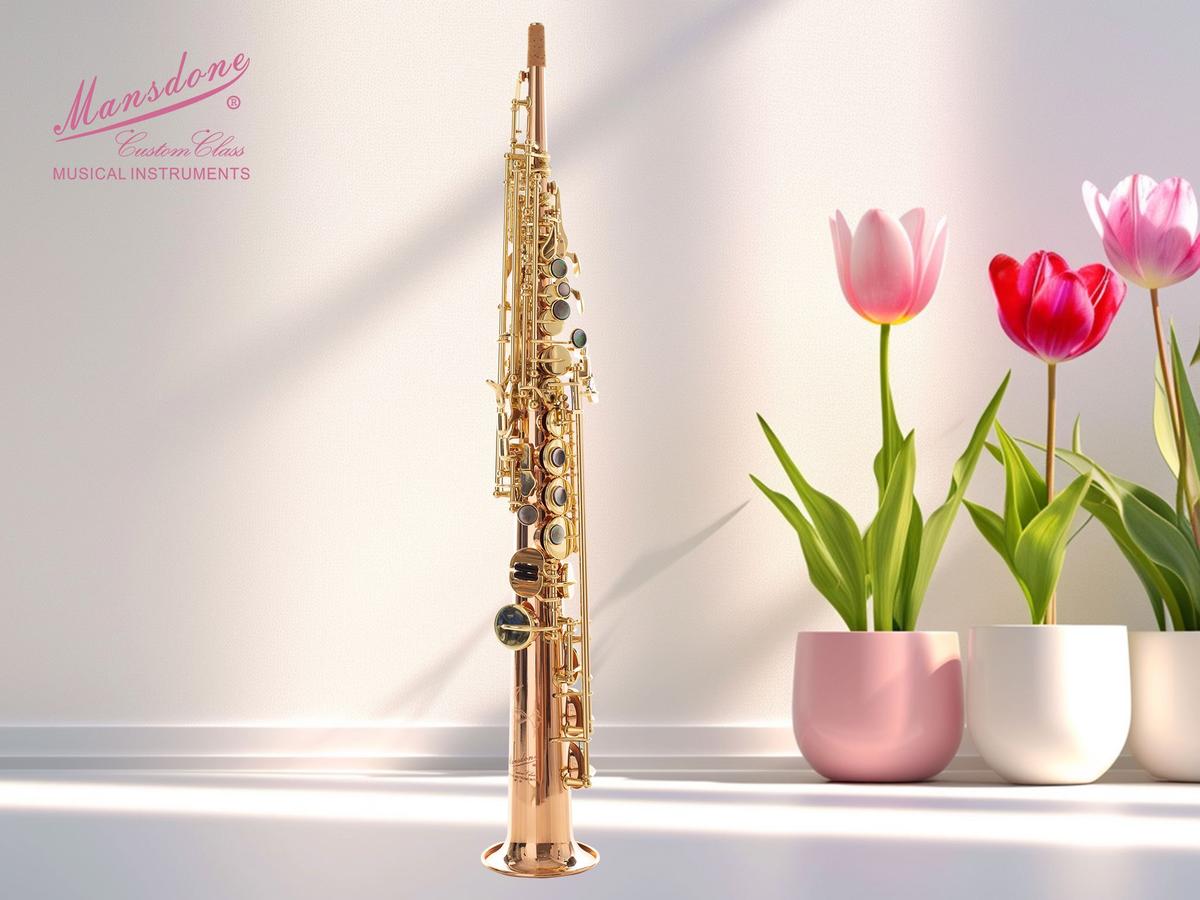
The soprano saxophone, with its straight, flute-like appearance and distinctively penetrating voice, occupies a unique space in the woodwind family. While often overshadowed by its more common relatives—the alto and tenor—the soprano has been championed by a remarkable group of musicians across jazz, classical, and avant-garde genres. These artists have not only mastered the instrument’s infamous intonation challenges but have fundamentally shaped its identity and expanded its possibilities.
Pioneers Who Revitalized the Soprano
The modern history of the soprano saxophone owes a significant debt to two pioneering figures who rescued the instrument from relative obscurity. Lucky Thompson (1924-2005) was a key figure in this revival. A highly regarded tenor saxophonist who worked with swing orchestras led by Lionel Hampton and Count Basie, as well as bop innovators like Dizzy Gillespie and Miles Davis, Thompson began systematically performing on the soprano in the 1950s. Alongside his contemporary, Steve Lacy, Thompson is widely recognized as having brought the soprano saxophone out of obsolescence, playing it in a more advanced, boppish format. His work directly inspired John Coltrane to take up the instrument in the early 1960s, an endorsement that forever cemented the soprano’s place in jazz history.
While Thompson and Lacy laid the groundwork, John Coltrane became the single most influential figure in popularizing the soprano. Although not listed in the search results, Coltrane’s transformative use of the instrument on his iconic recording of “My Favorite Things” brought the soprano’s distinctive sound to a global audience, making it impossible to discuss the instrument’s rise without acknowledging his monumental impact.
Virtuosos of Jazz and the Avant-Garde
Following in the footsteps of these pioneers, a new generation of musicians forged distinctive identities on the soprano. Jane Ira Bloom (b. 1955) is one of the most acclaimed modern soprano saxophonists. An American musician, composer, and bandleader, Bloom switched to the soprano instrument in her early teens after initially playing alto. Her critically acclaimed recordings are noted for blending contemporary, mainstream, and exploratory styles, and she is known for incorporating live electronic effects into her work. Bloom’s immense talent has been recognized with a Guggenheim Fellowship, a commission from the NASA Art Program, and the Downbeat Critics Poll award for soprano saxophone, among many other honors.
The British saxophonist Lol Coxhill (1932-2012) represented the more unconventional and radical possibilities of the soprano. Famous for his unaccompanied and unorthodox concerts, Coxhill developed an immediately identifiable style on both soprano and sopranino saxophones. His playing was characterized by wrenching, twisting, and quirky solos, positioning him as perhaps the prime rival to Steve Lacy in getting unconventional and avant-garde sounds out of the instrument. His work often crossed into free improvisation and post-punk energy, demonstrating the soprano’s versatility beyond traditional jazz settings.
Masters of the Classical Realm
While jazz has been a dominant force for the soprano, classically trained virtuosos have also made profound contributions, elevating the instrument to the concert stage. Anders Paulsson (b. 1961) has been recognized as one of the finest soprano saxophonists in the world since his Carnegie Hall debut in 1992. His musicianship has been so inspiring that over fifty international composers have written solo concertos and chamber music specifically for him. Paulsson has performed as a soloist with prestigious ensembles such as the Royal Philharmonic Orchestra in Stockholm and the St. Petersburg Philharmonic. In 2012, he was awarded the Royal Gold Medal Litteris et Artibus for his prominent artistic achievements as a soprano saxophonist.
Similarly, Timothy McAllister stands as one of today’s most celebrated classical saxophonists. Hailed as a “virtuoso” and “a titan of contemporary music” by critics, McAllister has built a distinguished career as both a soloist and as the soprano chair of the renowned PRISM Quartet. He has performed in the world’s most prestigious venues, including Carnegie Hall, the Sydney Opera House, and Amsterdam’s Concertgebouw. His extensive discography features over 50 albums, including three Grammy-winning recordings, and he has collaborated with major composers like John Adams. McAllister is also a dedicated educator, teaching at the University of Michigan.
Conclusion
From its revival in the mid-20th century to its current prominence in both jazz clubs and concert halls, the soprano saxophone has been shaped by a diverse array of visionary artists. Whether through the pioneering bop of Lucky Thompson, the lyrical explorations of Jane Ira Bloom, the avant-garde eccentricities of Lol Coxhill, or the classical precision of Timothy McAllister and Anders Paulsson, these musicians have each unlocked new dimensions of expression from this challenging and beautiful instrument. Their collective work ensures that the soprano saxophone continues to be a voice of remarkable power and individuality in the world of music.
This article is provided by Mansdone Brand Marketing Department!