The Top Ten Rock Songs Featuring the Saxophone
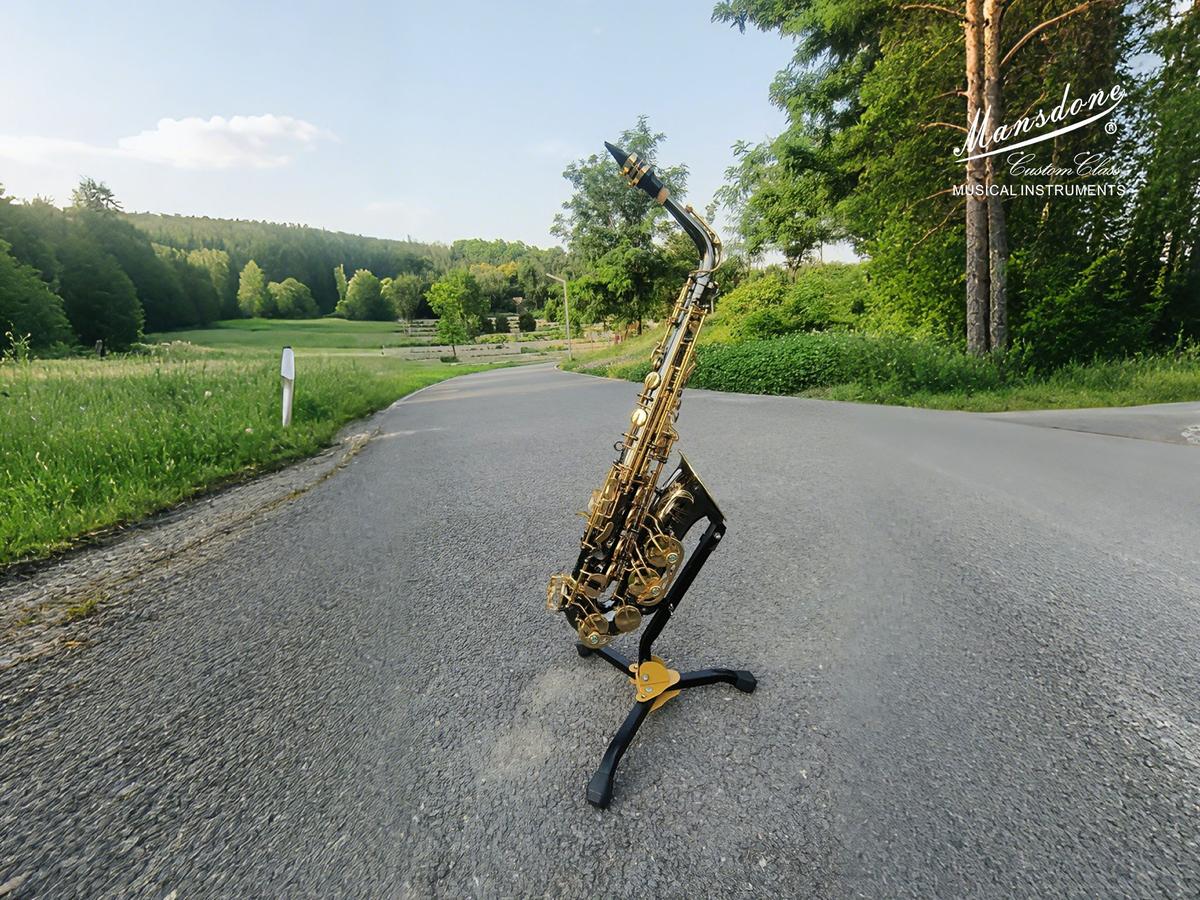
The saxophone has never been merely a guest in rock music; at its best, it is a voice of equal power to the guitar. From the haunting cries of the blues to the triumphant roars of the arena, the instrument has provided some of the genre’s most unforgettable moments. While electric guitars often dominate the narrative, the saxophone’s ability to convey raw emotion and gritty energy has made it indispensable.
Compiling a definitive top ten list is a subjective endeavor, as the "best" sax solo often depends on whether the listener craves melancholy or mayhem. However, based on historical influence, cultural impact, and technical brilliance, the following ten tracks represent the gold standard for rock songs featuring the saxophone.
1. Gerry Rafferty – "Baker Street" (1978)
It is impossible to discuss this topic without starting here. Written by Scottish singer-songwriter Gerry Rafferty, "Baker Street" features what is widely regarded as the most famous saxophone riff in popular music history. Played by Raphael Ravenscroft, the soaring, melancholic melody was originally intended to be a guitar part. The decision to switch to saxophone proved serendipitous. The riff is so iconic that author Richard Ingham, in The Cambridge Companion to the Saxophone, referred to its impact as the "‘Baker Street’ phenomenon," crediting it with causing "the biggest boom in saxophone sales since the craze of the 1920s" . For millions of listeners, this song is the sound of the saxophone in a rock context.
2. Bruce Springsteen – "Jungleland" (1975)
While "Born to Run" features a triumphant Clarence Clemons solo, it is the epic, nine-and-a-half-minute album closer "Jungleland" that contains the definitive statement from "The Big Man." The song builds with theatrical tension until, just past the halfway mark, Clemons steps forward. According to legend, the saxophonist spent sixteen hours in the studio replaying that solo to satisfy Springsteen’s exacting standards . The result is a solo that sounds like a street fight and a prayer rolled into one. It remains the emotional climax of Springsteen’s live shows and a testament to the power of the saxophone to drive a rock narrative.
3. Bob Seger & The Silver Bullet Band – "Turn the Page" (1973)
If "Baker Street" represents the hopeful dawn, "Turn the Page" represents the lonely, 3:00 AM drive through a strange city. Alto Reed’s tenor saxophone does not just accompany the lyrics; it becomes the story. The song details the fatigue and isolation of life on the road, and the opening sax line is weary, lonesome, and soaked in blues . The origin of the solo is unique: Seger’s road manager reportedly told Reed, "You’re in New York City, on the Bowery. It’s 3 a.m. You’re under a streetlamp... Show me what that sounds like" . The result is a masterclass in setting a mood without words.
4. Pink Floyd – "Us and Them" (1973)
On The Dark Side of the Moon, Dick Parry contributed two of the most sophisticated saxophone solos in rock history. While "Money" is famous for its bluesy growl, "Us and Them" is the more nuanced achievement. Parry’s tone is smooth, liquid, and almost resigned, sliding through chord changes that are far more complex than the standard rock progression . It acts as a bridge between the album’s themes of conflict and isolation, providing a voice of weary reason amidst the sonic chaos of the surrounding tracks.
5. Foreigner – "Urgent" (1981)
"Urgent" represents the saxophone as a weapon of raw, primal energy. The track is building steadily, driven by a synthesizer riff, but when the solo hits, the song shifts gears entirely. This is thanks to the legendary Junior Walker of Motown fame. Walker’s solo is not melodic in the traditional sense; it is a series of growls, screams, and "honks" that sound almost like a vocalist scatting . It is a fiery, unhinged performance that bridges the gap between 1960s R&B and 1980s rock production, proving that the sax could be just as aggressive as any distortion pedal.
6. George Michael – "Careless Whisper" (1984)
While often classified as pop or R&B, "Careless Whisper" holds a sacred place in the rock sax canon due to the sheer weight of its melody. Played by Steve Gregory, the riff is one of the most recognizable hooks ever recorded. Interestingly, Gregory was reportedly the eleventh saxophonist to attempt the part; others had failed to capture the specific feel George Michael demanded, which had originally been played on a demo by a friend . The result is a smooth yet devastatingly effective line that has become a cultural touchstone, proving the saxophone’s ability to carry a song’s entire emotional weight.
7. The Rolling Stones – "Brown Sugar" (1971)
The Rolling Stones have always been a blues band at heart, and the saxophone has been a secret weapon in their catalog, largely thanks to Bobby Keys. "Brown Sugar" opens with a raw, unpolished guitar riff that immediately gives way to Keys’ tenor. Unlike the polished studio work of some contemporaries, Keys’ playing is loose, raucous, and breathy . He doesn't play a "solo" so much as he jumps into the groove and rolls around in it. His work on this track, as well as "Can’t You Hear Me Knocking," defined the gritty, rock-and-roll bar-band sound of the early 1970s.
8. Dire Straits – "Your Latest Trick" (1985)
While Mark Knopfler’s guitar is the voice of Dire Straits, "Your Latest Trick" is driven by a ghost. The song features a late-night, noir-ish solo from the virtuoso jazz saxophonist Michael Brecker. Brecker’s playing is technically flawless but emotionally deep, weaving in and out of the smoky arrangement . It is a perfect marriage of jazz sensibility and rock songcraft, creating an atmosphere of weary sophistication that few rock bands have ever achieved.
9. Men at Work – "Who Can It Be Now?" (1981)
The early 1980s new wave movement embraced the saxophone as a symbol of quirky sophistication. Greg Ham’s performance on this paranoid classic is a prime example. The sax riff is punchy, syncopated, and angular, serving as the song’s primary hook rather than just a break in the middle . It is a notoriously difficult riff to play cleanly due to the high register required, yet it sounds effortless and bouncy. It proved that the saxophone could be just as effective in a jagged, post-punk context as it was in a classic rock ballad.
10. George Thorogood & The Destroyers – "Bad to the Bone" (1982)
This list would be incomplete without the gritty, swaggering sound of the blues-rock sax. "Bad to the Bone" is built on a legendary guitar riff by Thorogood, but it is Hank Carter’s saxophone that gives the track its "tough guy" attitude . Carter’s solo arrives like a challenge—growling, low-down, and full of bravado. It strips away any potential polish the track might have had, grounding it firmly in the traditions of Chicago blues while keeping the energy of a rock anthem.
The Legacy of the Horn
These ten tracks represent a timeline of rock evolution, from the heartland poetry of Springsteen to the art-rock of Pink Floyd and the new wave angularity of Men at Work. They also highlight the contributions of the giants of the instrument: Clarence Clemons, whose presence in the E Street Band made the sax a lead voice; Dick Parry, who defined the sound of progressive rock; and session heroes like Raphael Ravenscroft, whose four-bar riff changed the instrument’s fortunes overnight.
While the role of the saxophone in modern rock has diminished in recent decades, these songs remain pillars of classic rock radio. They serve as a reminder that when the guitar steps aside and the sax steps up, rock music can scream, cry, dance, or break your heart—all without saying a single word.
This article is provided by Mansdone Brand Marketing Department!