Trombone or Saxophone: Which Is the Better First Instrument
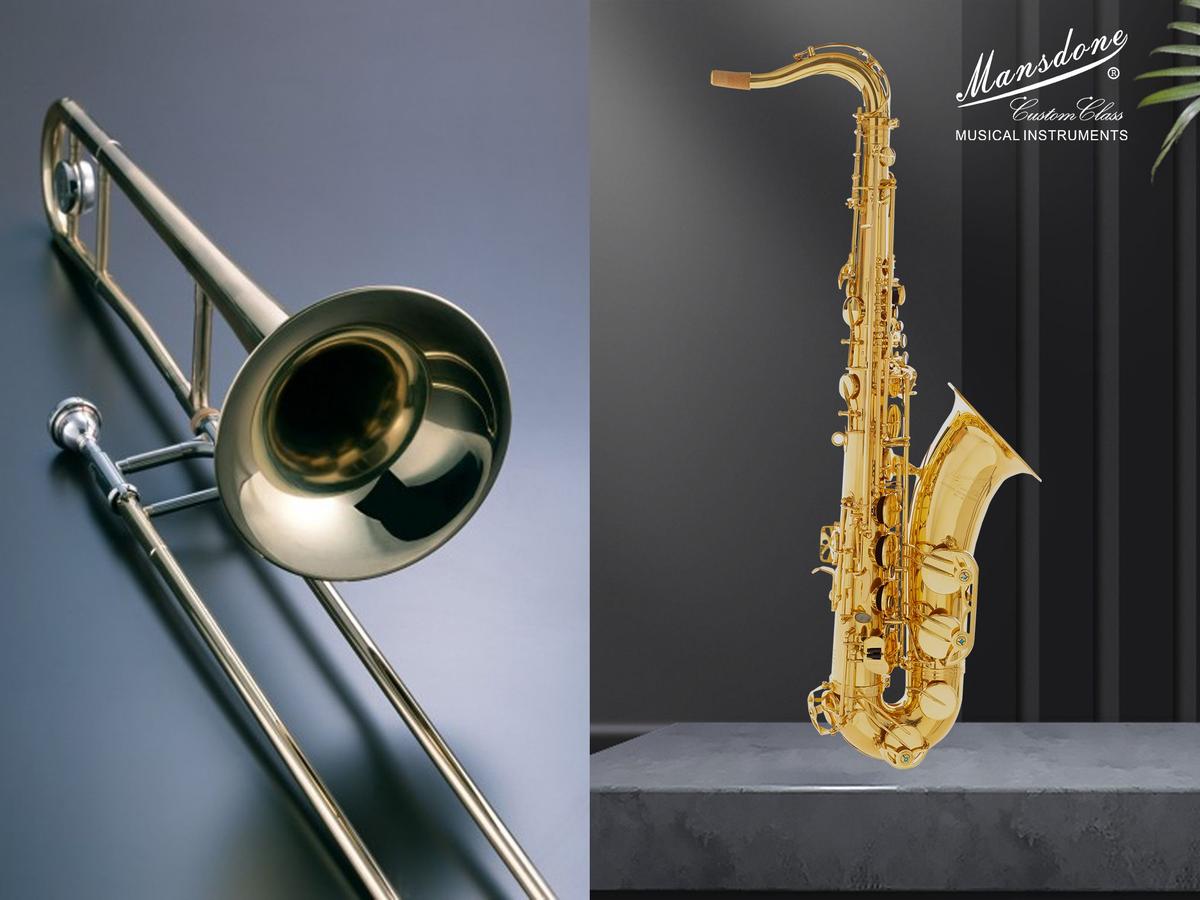
When choosing a first instrument, young musicians and adult beginners alike often weigh the trombone against the saxophone. Both have distinct advantages and challenges, and the “best” choice depends largely on the learner’s physical characteristics, musical goals, and personal preferences. This article compares the two objectively, focusing on factual differences in difficulty, cost, physical demands, and musical versatility.
Initial Learning Curve
The saxophone is widely considered one of the most beginner-friendly wind instruments. Its fingering system is logical and consistent, allowing novices to produce a clear tone within the first few lessons. The mouthpiece (a single reed attached to a mouthpiece) requires controlled airflow but responds relatively quickly, making it easier to play simple melodies early on.
The trombone, by contrast, uses a slide instead of valves or keys. There are no buttons or levers to press; pitch is determined by the slide’s seven positions (from closed to fully extended). While this makes the basic technique simple to explain, playing in tune demands highly developed ear training. Beginners often struggle with intonation because even a millimeter of slide misplacement changes the pitch noticeably. Producing a stable tone on the trombone also requires more precise lip tension (embouchure) and breath support.
Physical Considerations
For younger beginners (ages 8–12), the saxophone’s neck strap and ergonomic key layout are generally more forgiving. Alto saxophones are lightweight and designed for smaller hands, though the instrument’s weight still rests on the neck and shoulders. The trombone, especially a tenor, has a longer slide that can be challenging for children with short arms. Some manufacturers offer smaller trombone models (e.g., with a “curtain rod” handle or a junior trombone) to address this.
For adults, arm length is rarely an issue, but the trombone’s slide requires smooth, coordinated motion without hitting nearby players in ensemble settings. The saxophone demands good hand posture to avoid wrist strain, but its fixed playing position is more static.
Musical Versatility
The saxophone is a staple in jazz, rock, pop, classical, and marching bands. Its expressive range—from smooth and lyrical to bright and aggressive—makes it one of the most adaptable wind instruments. Many beginner method books and school music programs have abundant resources for saxophone.
The trombone shines in classical orchestras, brass bands, jazz (especially swing and big band), and some Latin genres. Its slide enables unique effects like glissandos (sliding between notes) that are impossible on the saxophone. However, in common school settings like concert band, trombone parts often play harmony or bass lines, which may feel less rewarding to a beginner who wants melody.
Cost and Maintenance
Entry-level student saxophones typically cost between $500 and $1,200 new. Reeds wear out quickly and need regular replacement (about $20–30 for a box of ten). Professional repairs—such as adjusting pads or fixing bent keys—can be expensive but are infrequent with proper care.
Student trombones range from $400 to $1,000 new. They have no reeds or pads, so routine maintenance is minimal—mostly cleaning the slide and applying lubricant. However, slide damage (e.g., dents from a fall) can be costly to repair and may render the instrument unplayable.
Which One to Choose?
Based on objective criteria:
- Choose saxophone if the learner wants faster initial success, plays in school jazz or concert band, prefers melody lines, or has small hands.
- Choose trombone if the learner has a good ear for pitch, enjoys brass timbre, wants to avoid reed costs, or plans to play in classical or swing ensembles.
It is also worth noting that some educators recommend trying both for a short trial period (e.g., renting each for a month). No instrument is inherently better; success depends far more on consistent practice and genuine interest. A motivated beginner will almost always outpace an unmotivated one, regardless of whether they hold a trombone or a saxophone.
This article is provided by Mansdone Brand Marketing Department!