The Formal Saxophone: A Classical Repertoire Beyond Jazz
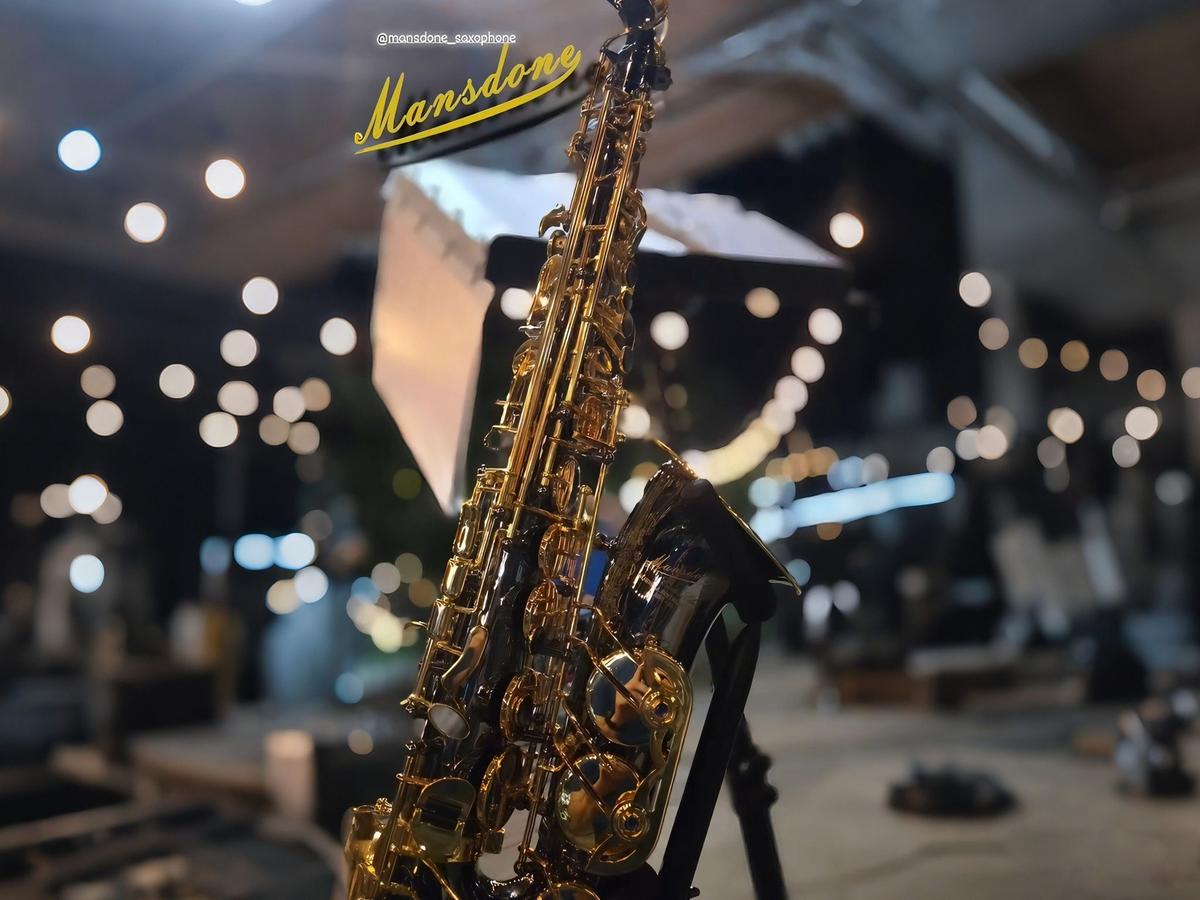
When asked to name a saxophone song, most people will recall the smoky wail of a jazz club or the iconic solo from a rock anthem. However, since its patent in 1846, the saxophone has also cultivated a formal, written tradition that thrives in concert halls and academic settings . The instrument boasts a robust classical repertoire, ranging from French impressionist showpieces to contemporary concertos.
Historical Roots in the Concert Hall
The saxophone’s journey into formal music began almost immediately after its invention by Adolphe Sax. Although composers like Mozart and Haydn wrote for other wind instruments long before the saxophone existed, 19th-century French composers quickly recognized its potential . Hector Berlioz, a prominent supporter, praised the instrument, yet few major symphonists of that era wrote for it.
However, the saxophone found a home in opera and ballet. Composers such as Georges Bizet (L'Arlésienne), Jules Massenet (Werther), and Camille Saint-Saëns utilized the instrument for its vocal, lyrical quality . Despite these early appearances, it was not until the 20th century that the saxophone secured a permanent place in the classical canon.
Cornerstones of the Repertoire
For a listener exploring formal saxophone music, several key works define the genre's foundation:
The French School: The Paris Conservatory was instrumental in legitimizing the instrument. Marcel Mule, known as "Le Maître" (The Master), became a professor there in 1942 and established a repertoire still used in auditions today . A primary example is Jacques Ibert's Concertino da Camera (1935), a staple requiring effortless technical agility . Similarly, Alexander Glazunov's Concerto in E-flat Major (1934) is a cornerstone of the Romantic-era repertoire for the instrument, renowned for its lyrical depth .
The American Contribution: In the United States, the saxophone found champions like Cecil Leeson. Paul Creston's Sonata for Alto Saxophone and Piano, Op. 19 is ubiquitous in university practice rooms, frequently performed for juries and recitals due to its demanding rhythmic drive and formal structure .
Modern and Virtuosic Works: The repertoire also explores the avant-garde. Luciano Berio's Sequenza IXb (adapted for alto saxophone) requires extended techniques to push the instrument to its limits . For unaccompanied performance, Paul Bonneau's Caprice en forme de valse (1950) is regarded as one of the most technically demanding and musically cohesive solo works ever written for a wind instrument .
The Saxophone in the Orchestra
While not a permanent fixture like the violin or flute, the saxophone appears as a solo voice in orchestral literature. Maurice Ravel's Boléro features an extended, haunting soprano saxophone solo, while George Gershwin's Rhapsody in Blue blends classical form with jazz inflection . Modest Mussorgsky's Pictures at an Exhibition (orchestrated by Ravel) uses the alto saxophone in "The Old Castle" to evoke a melancholic, medieval atmosphere .
Transcriptions and Arrangements
Because the classical canon was largely established before 1846, many formal saxophone pieces are transcriptions. The instrument’s ability to mimic the human voice makes it ideal for adapting vocal or string music. Frederick Hemke’s arrangement of the Shaker hymn Simple Gifts is a prime example of the saxophone’s lyricism , and popular works like O Holy Night or Scott Joplin’s Maple Leaf Rag exist in formal arrangements for saxophone duets intended for recital settings .
Conclusion
The formal saxophone repertoire extends far beyond jazz improvisation. From the impressionist colors of Debussy's Rapsodie to the minimalist energy of John Adams' concerto, the body of work for classical saxophone is substantial . As Pulitzer Prize-winning composer John Adams noted, his saxophone concerto was intended as "an expansive statement for an instrument that is still looking for its rightful place in the symphonic repertory" . With over 12,000 classical works catalogued for the instrument, that place is now firmly established .
This article is provided by Mansdone Brand Marketing Department!