The Impact of High Humidity on Cane Reed Performance: Soft vs. Hard
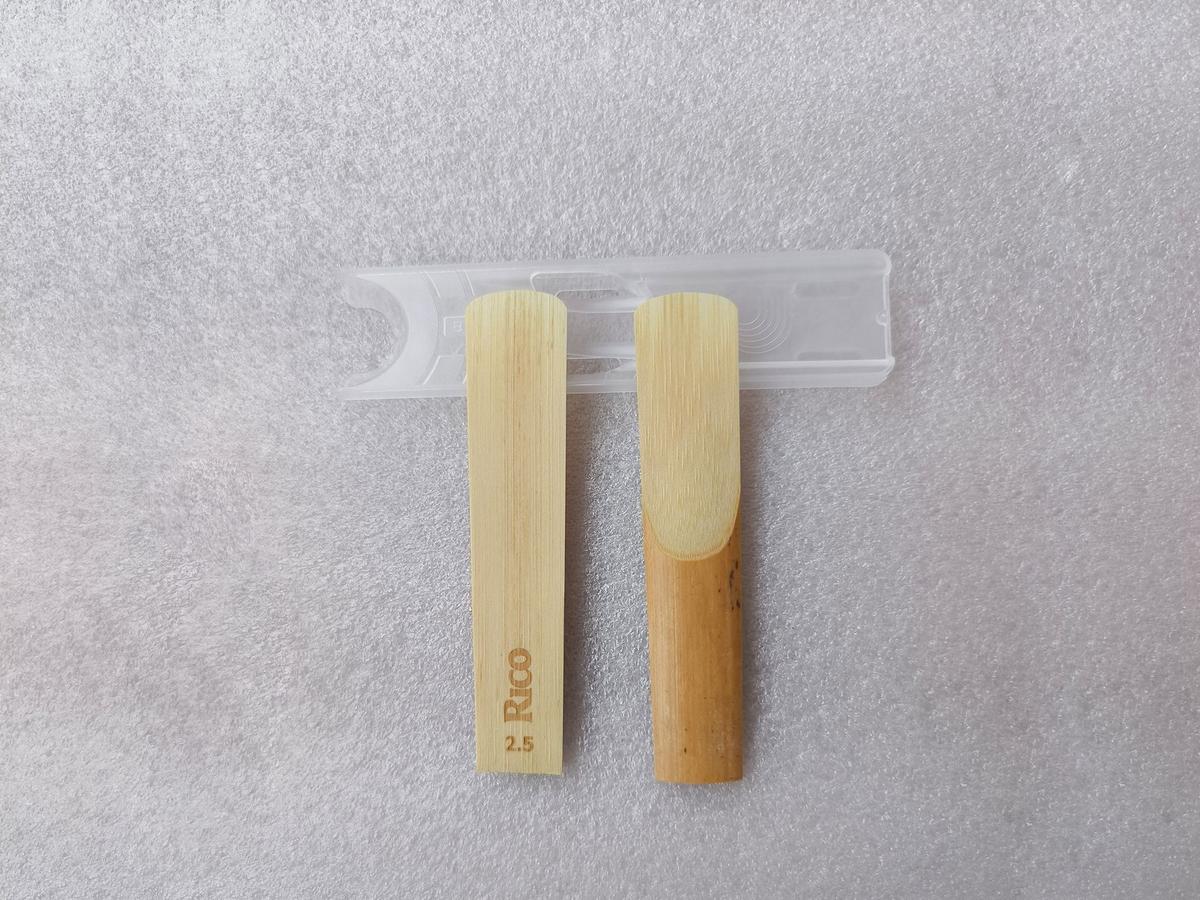
For woodwind musicians, few elements are as crucial—or as temperamental—as the reed. Crafted from natural Arundo donax cane, reeds are highly sensitive to their environment. Among the various climatic challenges, high humidity stands out as a factor that fundamentally alters a reed's physical properties. Understanding the relationship between humidity, reed stiffness, and playability is essential, with research and empirical evidence pointing to a clear conclusion: in higher humidity conditions, softer reeds are generally preferable, while harder reeds are better suited for dry environments.
The Science of Moisture and Cane
The hygroscopic nature of cane—its ability to absorb moisture from the air—is the primary driver of its changing behavior. Scientific investigations have quantified this effect with precision. Research published in the Journal of the Acoustical Society of America demonstrates that moisture directly reduces the stiffness of cane reeds. The flexural wave velocity, which governs how vibrations travel through the reed, decreases as moisture levels rise. This change is attributed to the "softening of the cane rather than the added water mass," with the fundamental frequency of a cane reed potentially decreasing by as much as 30% when it becomes saturated.
More recent material science research from 2021 confirms this relationship, showing that the strength and stiffness of reed cane "decrease with the moisture content". As humidity rises, the reed’s cellular structure absorbs water, causing the fibers to swell and the overall rigidity to diminish. This is not a matter of perception but a measurable physical change.
Why Soft Reeds Work Better in High Humidity
For a musician playing in a consistently humid environment—such as a tropical climate, a rain-forest region, or a non-air-conditioned venue near a large body of water—this scientific reality has direct practical consequences.
A reed that feels perfectly resistant in a dry practice room will become significantly more pliable when exposed to high ambient humidity. As the cane softens, it requires less air pressure to vibrate and can feel "spongy" or unresponsive. If a player uses a reed that is already soft in these conditions, the result can be problematic: the reed may feel "mushy," close shut under embouchure pressure, produce a dull or buzzy sound, and lack projection.
Conversely, starting with a harder reed provides a solution. The initial stiffness of a harder reed compensates for the humidity-induced softening. While a hard reed might feel overly resistant in dry conditions, the same reed in a humid environment will soften to an optimal or near-optimal state of resistance. This allows the player to maintain a clear, focused tone and proper articulation without fighting the instrument. Experienced clarinetists and saxophonists have long noted that for "cold and high humidity weather," the opposite approach—selecting harder reeds—is effective. The hardness offsets the environmental softening, preserving the feel and response the player expects.
The Dry Climate Case for Harder Reeds
In dry conditions, the relationship reverses. Low humidity draws moisture out of the cane, making it stiffer, more brittle, and prone to warping. A reed that is already hard in these conditions may feel unplayably resistant, requiring excessive effort to produce a sound. This is where softer reeds have their advantage: their lower inherent stiffness makes them easier to vibrate when the cane is at its most rigid.
Practical Considerations and Adjustments
While adjusting reed strength is the most direct response to humidity changes, musicians have developed additional strategies. Some players maintain a rotation of reeds with varying strengths, selecting the appropriate one for the day's conditions. Others use humidity-controlled storage cases—such as those maintaining 50-60% relative humidity for storage and 60-70% during break-in—to minimize environmental fluctuations. However, once the reed is on the mouthpiece and being played, ambient humidity quickly asserts its influence, typically within minutes.
Synthetic reeds from manufacturers such as Legere offer an alternative for players seeking complete stability, as they are unaffected by humidity changes. However, for the majority who prefer the tonal complexity of natural cane, understanding the soft/hard humidity relationship remains essential.
Conclusion
The interaction between humidity and cane reed performance is governed by a clear physical principle: moisture softens cane. Therefore, higher humidity environments call for harder reeds to compensate for this softening, while dry conditions favor softer reeds. This cause-and-effect relationship is supported by acoustic research and confirmed by generations of woodwind players' practical experience. Musicians who recognize and adapt to this dynamic can maintain consistent response, tone quality, and control across any climate.
This article is provided by Mansdone Brand Marketing Department!