Tenor vs. Soprano Saxophone: Which Is the Easier Choice for a Beginner
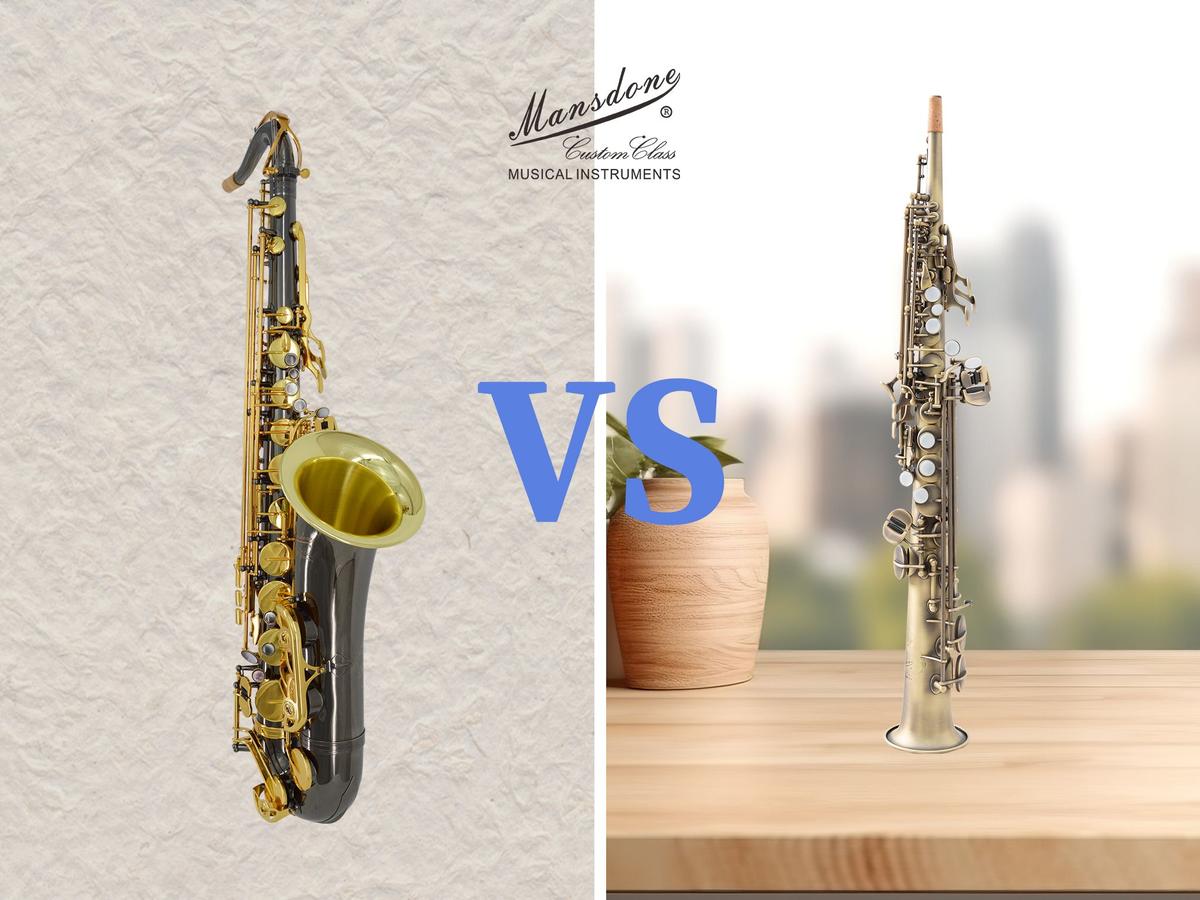
For a beginner standing at the threshold of learning the saxophone, the first major decision is which instrument to choose. While the alto and tenor saxophones are the most common starting points, the soprano saxophone is sometimes considered for its compact size. However, for those weighing the tenor against the soprano, the consensus among educators and experienced players is clear: the tenor saxophone is significantly easier for a beginner to start on.
The Physical Challenge: Size vs. Control
The soprano saxophone is the smallest of the four main saxophones and produces the highest pitch. Its small size might initially seem like an advantage, especially for younger or smaller players. However, this compactness creates a fundamental difficulty.
The soprano's mouthpiece is the smallest of all the saxophones. This requires a much higher degree of control from the embouchure (the muscles in and around the mouth) to produce a good sound. The margin for error is incredibly small. As one analogy puts it, controlling a soprano mouthpiece is like trying to catch a small golf ball compared to a large beach ball; it requires far more precision. The instrument is also notoriously sensitive to small changes in embouchure and mouthpiece position, making it prone to playing out of tune and difficult to keep in tune, note-to-note. Some players describe it as a "beautiful, frustrating and maddening instrument" that requires a "mental feedback loop from your ears" to constantly adjust pitch.
In contrast, the tenor saxophone is larger and heavier, requiring a bit more air and arm strength. However, its larger mouthpiece and greater physical tolerance make it more forgiving for a beginner. The instrument is less sensitive to small fluctuations in embouchure, allowing new players to focus on producing a stable, rich tone without constantly fighting intonation problems.
The Verdict from the Community
This difference in playability is widely recognized. The general advice from music educators is that the soprano is not suitable for a complete beginner and is a better choice for a player who has already developed their skills on an alto or tenor.
One experienced player described the soprano as the "Yorkshire terrier of the saxophone world"—a small, intolerant beast that is easy to make sound bad. For a beginner, this can be a significant source of frustration and can hinder the learning process.
The tenor, by contrast, is considered a viable option for a motivated beginner, despite its larger size. While it may be slightly more challenging to manage physically than the alto, it offers a much smoother learning curve than the soprano, with a deep, rich sound that many find iconic and rewarding.
Conclusion
While the soprano saxophone has a unique and appealing sound, it presents a significant challenge for a beginner due to its demanding embouchure control and sensitivity to pitch. The tenor saxophone, while larger, is much more forgiving and allows new players to focus on developing a good tone without the constant struggle for intonation.
For these reasons, the tenor saxophone is unequivocally the easier and more practical choice for a beginner compared to the soprano. The soprano is a specialized instrument best tackled after a player has established a solid foundation on a larger, more forgiving member of the saxophone family, such as the tenor or the widely recommended alto.
This article is provided by Mansdone Brand Marketing Department!