From Alto to Tenor: A Saxophonist's Transition
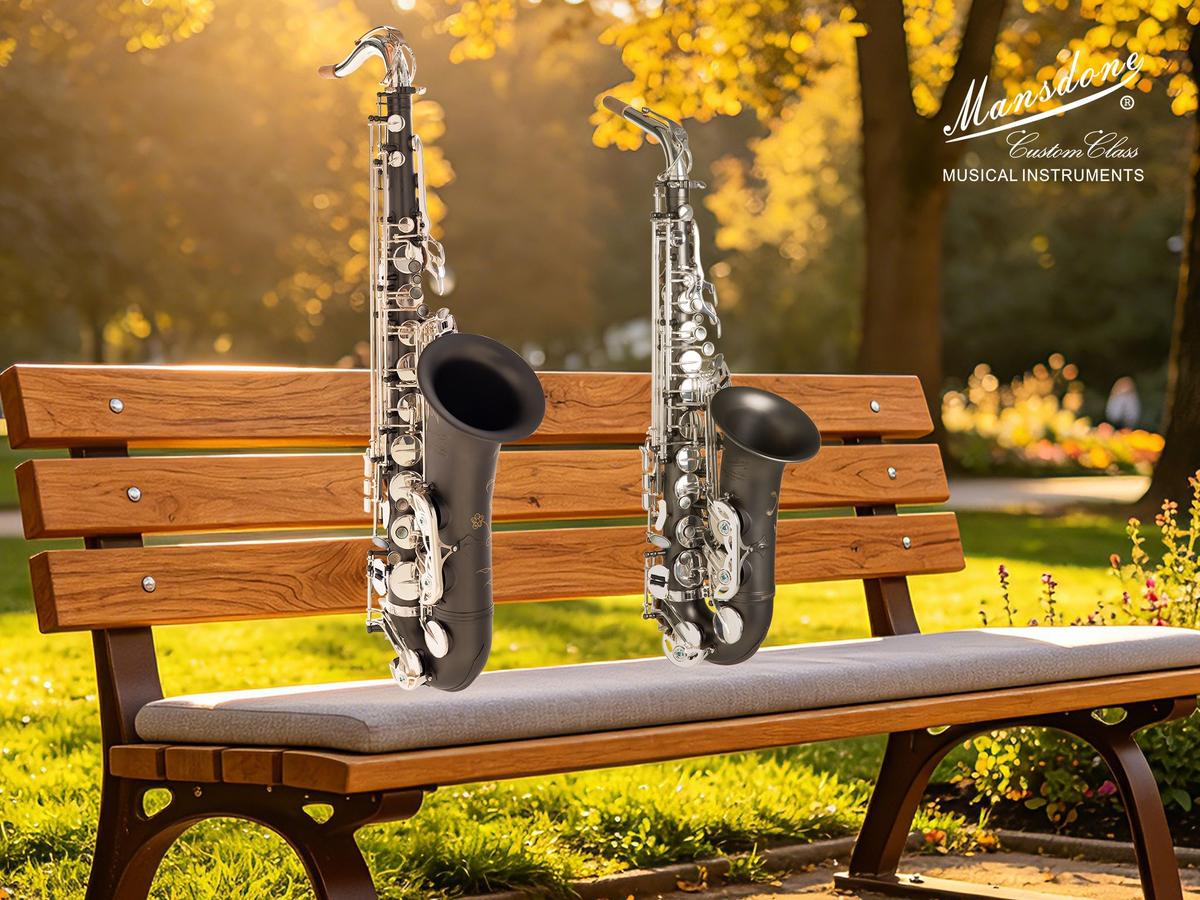 For saxophonists who have spent years mastering the alto, the decision to add or switch to the tenor is a significant step. While the two instruments share the same fingering system, the experience of moving from one to the other involves a series of adjustments that go far beyond simply picking up a larger horn. The transition is a journey of refining technique and developing a new tonal concept.
The Familiar Foundation
The most reassuring aspect for any alto player is the identical fingering system across all saxophones. This design, intentional from the instrument's inception, means that a player can pick up a tenor and play scales and familiar melodies from the very first attempt . The muscle memory developed over years of playing alto provides an immediate head start, as the physical motions for producing notes remain unchanged .
However, the similarity ends there. As one player noted, "I thought, it's mainly a matter of size, but it isn't" . The core challenge lies not in learning the notes, but in producing a characteristic and in-tune tenor sound.
The Embouchure Adjustment
The most commonly cited challenge is adapting the embouchure. The tenor mouthpiece is larger and requires a more relaxed, looser embouchure than the alto . Players accustomed to the tighter, more focused embouchure of the alto often find their tenor playing sounds pinched, sharp, and thin because they are applying too much pressure .
One experienced player described the process: "It took a long time for me to relax the embouchure, it was way too firm for tenor at first" . This adjustment is not always intuitive. The tendency to bite down, a common habit on the alto, must be consciously unlearned to allow the tenor's larger reed and mouthpiece to vibrate freely . Developing this relaxed yet controlled embouchure is a key milestone in the transition, and for some, it can take several months to achieve a tone they are happy with .
Air Support and Intonation
The tenor saxophone, being larger, requires a different approach to breath support. While some sources debate whether it requires significantly "more" air, there is consensus that it demands a different air stream—often described as more open and with a different sense of support . Players find they must focus on using "warm" air and maintaining an open throat, which is crucial for producing the instrument's characteristic rich and deep tone .
Intonation also presents a new challenge. The tenor is a transposing instrument in B-flat, while the alto is in E-flat . This means that while the fingerings are the same, the sounding pitch is different. A written "C" on a tenor sounds as a concert B-flat, whereas a written "C" on an alto sounds as a concert E-flat . Players need to be aware of this when playing with others, and they must also adjust their embouchure and air to navigate the tenor's unique tuning tendencies, especially in the lower register .
A Positive Mutual Benefit
Interestingly, many players who take up the tenor after the alto find that their alto playing improves significantly as a result. The process of learning to relax the embouchure and open the throat for the tenor often translates back to the alto, resulting in a more fluid, darker, and less pinched sound .
One player noted that after playing tenor, their "tone on alto improved a lot," describing it as "more fluid, smooth and dark, maybe because I've learned to relax" . This suggests that the two horns, while distinct, can be complementary tools for overall development. The key is to treat each as a separate instrument with its own voice, rather than just a larger or smaller version of the other .
In conclusion, moving from alto to tenor is a rewarding but demanding process. It requires patience to develop a new, more relaxed embouchure, adjust air support, and master the instrument's intonation. However, for players willing to put in the time, the payoff is not only a new, deeper tonal palette but also a potential refinement of their overall saxophone technique.
This article is provided by Mansdone Brand Marketing Department!