The Difference Between Student and Professional Alto Saxophones
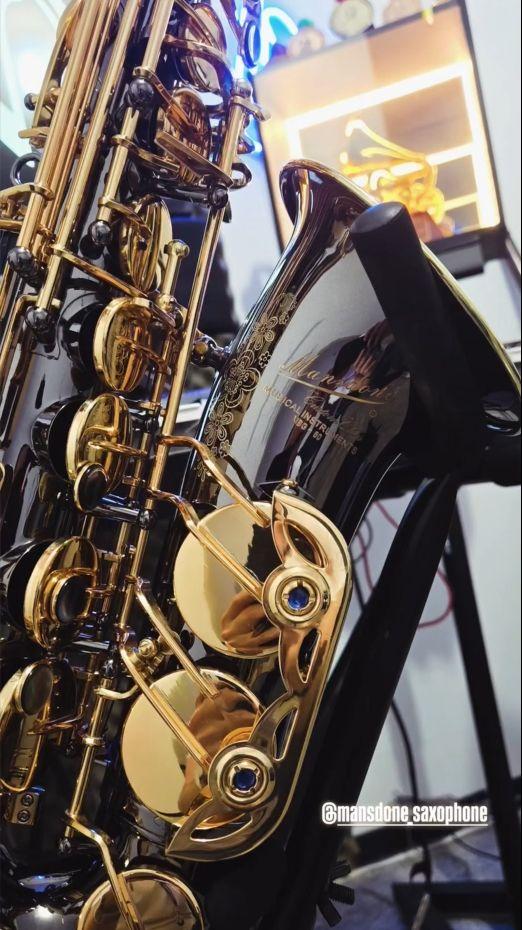
For anyone looking to purchase an alto saxophone, one of the first and most important decisions is choosing between a student model and a professional model. While both instruments look similar to the untrained eye, they are designed with fundamentally different priorities, materials, and craftsmanship. Understanding these differences is crucial for making an informed purchase that matches a player's current needs and future aspirations.
Core Philosophy: Durability vs. Performance
The primary distinction between student and professional alto saxophones lies in their core design philosophy. Student models are built primarily for durability, ease of play, and affordability. These instruments are expected to withstand the inevitable bumps, scrapes, and less-than-perfect handling that occur in school band rooms and during practice sessions. Manufacturers prioritize robustness and reliability above all else.
Professional models, by contrast, are engineered for the ultimate expression of tone, responsiveness, and dynamic range. Every component is optimized for performance, allowing experienced players to produce a richer palette of sounds, from the softest whisper to a powerful, projecting roar. The focus shifts from surviving rough handling to enabling artistic expression.
Materials and Construction
The quality of materials and the precision of construction are the most tangible differences between the two tiers.
Student models typically use standard yellow brass for the body tube. The keywork often consists of stamped keys, which are less expensive to produce but can bend out of alignment more easily. Many student saxophones feature "post-to-body" construction, where key posts are soldered directly to the instrument's body. Standard leather pads with plastic resonators are common, as the priority is functionality and a reasonable seal.
Professional models elevate every aspect of construction. The body may use higher-grade alloys like gold brass, bronze, or even silver, which can influence the instrument's tonal characteristics. The keywork features power-forged keys that are significantly stronger and maintain their adjustment longer. Professional instruments often use "ribbed" construction, where key posts are soldered to a brass rib before being attached to the body—a method believed to improve resonance and stability. Pads may feature premium waterproof leather for a superior seal, with metal resonators (brass, silver, or copper) that can subtly brighten the tone and improve projection. As a final mark of craftsmanship, professional saxophones often feature intricate hand-engraving on the bell.
Keywork and Ergonomics
The feel of the instrument under the fingers differs significantly between student and professional saxophones.
Student models are designed with ergonomics for smaller hands in mind. The key layout, particularly on the lower stack, is slightly adjusted to be more accessible for younger beginners. The action is designed to be functional and straightforward, with simplified features to guide students toward developing good playing habits.
Professional models feature meticulously hand-fitted and balanced keywork for a light, swift action that allows for rapid, effortless technical passages. Many professional instruments use hard steel needle springs to ensure smooth, agile key action and integrated key posts that create a more stable mechanical platform. They also include additional features like a high F♯ key, which is often omitted from student models. Even subtle differences, such as the shape and placement of keys, can provide a more comfortable and responsive feel for the advanced player.
Price and Investment
Unsurprisingly, these differences in design, materials, and labor are reflected in the price. The cost difference is substantial and represents one of the clearest dividing lines between the two categories.
- Student alto saxophones: Generally range from $800 to $1200.
- Professional alto saxophones: Generally range from $1,400 to $3,000 or more.
The price of professional models reflects not just the superior materials but also the significant investment in skilled labor, research and development, and the hand-finishing processes that go into crafting a high-end instrument.
Conclusion
Choosing between a student and a professional alto saxophone is a decision that should be guided by the player's experience level and goals. The student instrument is a reliable, durable, and affordable tool for learning fundamentals. The professional model is a finely crafted piece of musical equipment designed to unlock the full potential of an experienced player. For beginners, a well-made student saxophone provides an accessible and dependable entry point. The leap to a professional model is a significant investment reserved for those who have developed the skills to appreciate and benefit from its superior performance characteristics.
This article is provided by Mansdone Brand Marketing Department!